Commercial Wet Mops
Commercial wet mops for institutional and janitorial use, including string mops, flat mops, and complete mop heads and handles. The 21 indexed products average a 4.43 rating and span budget through mid-range prices (about $33–$210), with brands like Rubbermaid Commercial Products represented
Top Products

Real Clean 16in Microfiber Mop Kit
Real Clean
Mid-Range
36" Commercial Dust Mop with Long Handle
CLEANHOME
Mid-Range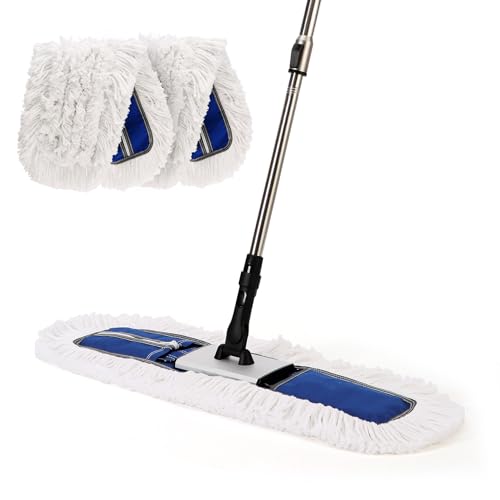
24" Heavy-Duty Commercial Dust Mop with 2 Microfiber Pads
CLEANHOME
Budget
Commercial heavy-duty mop with 58in handle, loop-end cotton mop set
Midoneat
Budget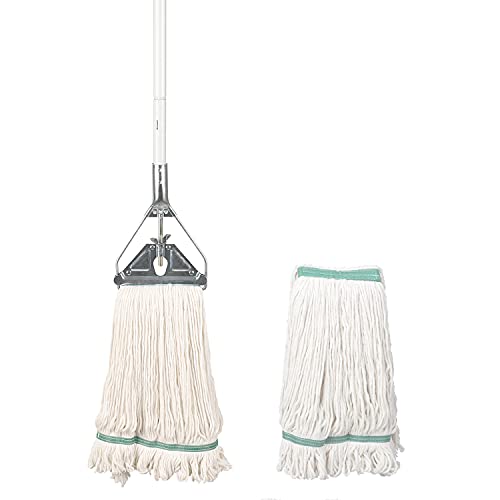
OFO Loop-End String Mop with 59in Handle
OFO CHANGE YOUR LIFE
Mid-Range
Commercial Mop with 2 Heads, Heavy Duty Looped End String Mop
Gadhra
Budget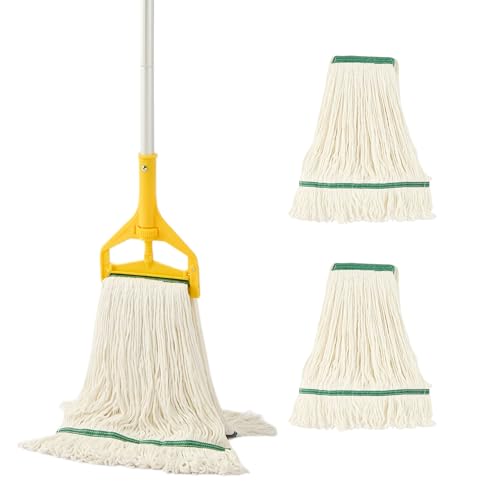
Commercial mop with 59" handle and 3 mop heads
Midoneat
Budget
Boardwalk Looped-End Dust Mop Kit, 60-Inch Handle, Blue/Natural
Boardwalk
Mid-Range
Eyliden 2-head self-wringing twist mop with 57.5" handle
Eyliden
Budget
Zflow 18" Professional Microfiber Mop with 3 pads
Zflow Ventures
Mid-Range
Rubbermaid 60" vinyl-coated aluminum wet mop handle
Rubbermaid Commercial Products
Budget
61 inch heavy duty wet mop with long handle
FreshFarm
Mid-Range
OFO Loop-End Wet Mop with 67in Stainless Pole, 3-Pack
OFO CHANGE YOUR LIFE
Mid-Range
Commercial Mop with 3 Large Replacement Heads, 59in Handle
KeFanta
Budget
MASTERTOP 36" Industrial Dust Mop with Telescopic Handle
MASTERTOP
Mid-Range
Commercial heavy-duty mop with 60" handle and 3 mop heads
Midoneat
Budget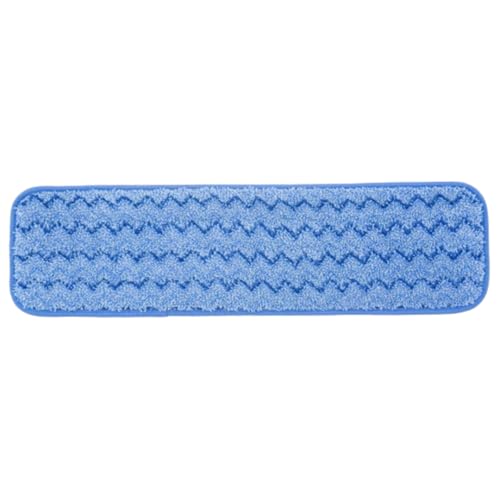
Rubbermaid mop head for microfiber damp mop 18-in blue
Rubbermaid Commercial Products
Premium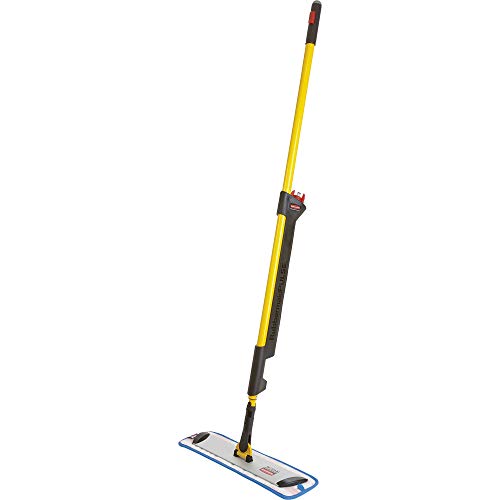
HYGEN Single Sided Microfiber Spray Mop Kit
Rubbermaid Commercial Products
Premium
Qimedo 6000mAh Electric Mop M1 with 800 RPM cordless scrubber
qimedo
Premium
Rubbermaid Microfiber Adaptable Flat Mop Kit with WaveBrake compatibility
Rubbermaid Commercial Products
Mid-Range
CycloMop commercial spinning mop with dolly wheels
CYCLOMOP
PremiumRoundups
Frequently Asked Questions
How do I choose the right commercial wet mop type for my facility?
Select based on floor type and task: looped-end cotton or blended yarn mops absorb well for general cleaning; microfiber flat or strip mops provide faster drying and better soil pickup for high-traffic or finish-sensitive areas; and industrial or string mops handle heavy scrubbing and large spills. Consider mop head size, compatibility with your existing frames/wringers, and whether you need color-coding for cross-contamination control
What handle and frame features should I look for in a commercial mop setup?
Look for durable handles (stainless steel, aluminum, or reinforced fiberglass) with ergonomic grips and adjustable length to reduce fatigue. Frames should match your mop head style (clamp, pocket, or velcro) and be corrosion-resistant; swivel or pivot frames improve maneuverability around furniture and in tight spaces
How much should I expect to spend on commercial wet mops and what affects price?
Commercial wet mop systems vary widely; budget heads and basic handles are typically available under $50, while higher-end microfiber systems, durable frames, and complete kits raise costs. Price is affected by material (microfiber vs cotton), construction quality, mop size, and included accessories like handles or buckets
How do I maintain and clean commercial mop heads to extend their life?
Rinse mop heads after use, remove excess water, and launder per manufacturer instructions—typically machine wash on warm with mild detergent and no fabric softener; fully dry before storage. Replace mop heads when they lose absorbency, show fiber breakdown, or pose a contamination risk
Are microfiber mops worth it for commercial cleaning compared to traditional cotton mops?
Microfiber mops generally pick up more soil and moisture, dry floors faster, and can reduce chemical use because they clean effectively with plain water or lower disinfectant concentrations; they also tend to last longer if laundered correctly. However, upfront cost is higher and they require proper laundering to avoid residue and odor buildup
What safety and hygiene considerations should I account for when using wet mops commercially?
Use color-coded mop heads and tools to prevent cross-contamination between areas, change or disinfect mop heads frequently in high-risk zones, follow recommended dilution and contact times for disinfectants, and use proper wringers or mops that minimize hand contact with wastewater to reduce slip and contamination risks
How often should mop heads be replaced in a commercial program?
Replacement frequency depends on usage and soil load: high-traffic or healthcare environments may require replacement every few weeks, while lower-traffic areas might allow several months of use; replace sooner if fibers are frayed, absorbency decreases, or odor persists after proper cleaning