Compressed Air Combination Filter Regulator Lubricators
Compressed air combination filter-regulator-lubricators (FRLs) integrate filtration, pressure regulation, and lubrication for pneumatic tools and industrial equipment. This category of 15 products averages a 4.33 rating, spans roughly $37–$86 (avg $53), and includes brands like NANPU and China SNS Pneumatic Co., Ltd
Top Products
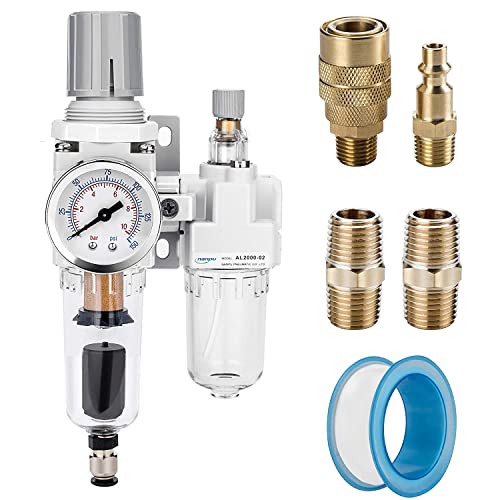
NANPU 1/4
NANPU
Budget
NANPU 3/8" NPT Air Filter Regulator Lubricator Combo
NANPU
Budget
Air Compressor FRL Unit with Pressure Regulator and Gauge
LNCHKA
Budget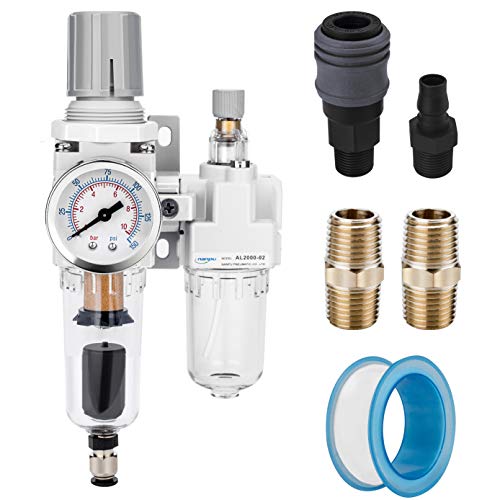
NANPU 1/4" NPT Auto-Drain FRL Combo
NANPU
Budget
NANPU 3/8
NANPU
Budget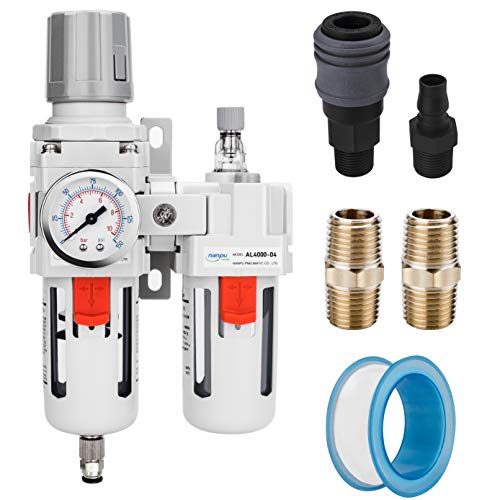
NANPU 1/2" NPT Air Filter Regulator Lubricator Combo
NANPU
Mid-Range
3/8 in NPT FRL air filter regulator combo
NANPU
Mid-Range
NANPU 3/4" NPT FRL combo with gauge
NANPU
Mid-Range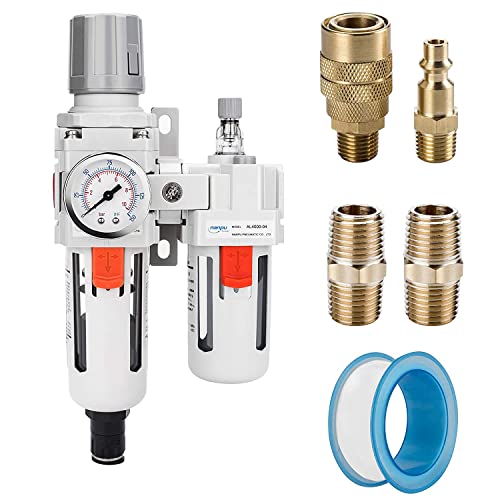
NANPU 1/2" NPT FRL Auto-Drain Air Filter Regulator Lubricator
NANPU
Mid-Range
Industrial FRL unit for pneumatic systems
LNCHKA
Mid-Range
NANPU 1/2" NPT FRL combo auto-drain filter regulator lubricator
NANPU
Mid-Range
SNS FRL combo 1/4" NPT filter regulator lubricator AC3010-N02A
China SNS Pneumatic Co.,Ltd
Budget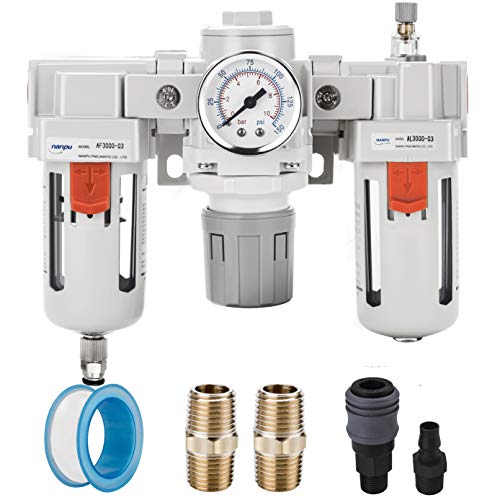
NANPU FRL Combo 3/8" NPT Air Filter Regulator Lubricator
NANPU
Mid-Range
NANPU FRL Combo 1/2" NPT Air Filter Regulator Lubricator
NANPU
Mid-Range
NANPU FRL Combo 3/4" NPT Air Filter Regulator Lubricator
NANPU
Mid-RangeRoundups
- Best Compressed Air Combination Filter Regulator Lubricators for Garage Air Compressor Setup (2026)
- Best Compressed Air Combination Filter Regulator Lubricators Under $200 (2026)
- Best Compressed Air Combination Filter Regulator Lubricators Under $100 (2026)
- Best Compressed Air Combination Filter Regulator Lubricators Under $50 (2026)
- Best Compressed Air Combination Filter Regulator Lubricators (2026 Guide)
Frequently Asked Questions
What is a compressed air combination filter regulator lubricator (FRL) and why do I need one?
An FRL integrates a particulate/moisture filter, a pressure regulator, and an automatic lubricator into a single unit to condition compressed air for pneumatic tools and equipment; it protects downstream components from contaminants, stabilizes pressure, and provides controlled lubrication for air-operated devices
How do I choose the right FRL size and flow capacity for my application?
Select an FRL with a flow rating (SCFM or L/min) exceeding the combined demand of your tools at the system pressure and minimal pressure drop; match the port/thread size to your piping (commonly 1/4", 3/8", 1/2") and consider future expansion when choosing flow capacity
What pressure range and adjustment features should I look for?
Choose an FRL with a regulator range that covers your required working pressure and includes a lockable adjustment knob or gauge; typical industrial regulators cover ranges from a few psi up to around 150 psi, so confirm compatibility with your equipment's rated pressure
How do filter micron rating and drain type affect performance and maintenance?
Filter micron ratings determine particle removal (common values 5–40 µm for general use); coarser elements allow higher flow with less frequent clogging, finer elements provide better protection but require more maintenance; drains can be manual or automatic—automatic drains reduce hands-on maintenance and are preferable in systems with frequent condensate
Is adding lubrication necessary for my pneumatic tools and how is it controlled?
Some pneumatic tools and valves require a small, controlled amount of oil to reduce wear; the lubricator in an FRL meters oil into the airstream—look for adjustable drip rate indicators (drops per minute) and use manufacturer-recommended pneumatic oils to avoid damage
What routine maintenance does an FRL need and how often?
Regularly inspect and drain filter bowls, replace filter elements per service interval or when pressure drop increases, refill lubricator reservoirs and verify drip rates, and check seals and gauges for leaks; frequency depends on air quality and usage but monthly checks are common in workshop environments
How much should I expect to pay and what affects price?
FRL units for tools and light industrial use typically range from budget options under $50 to higher-capacity units above that; price is influenced by flow capacity, materials (plastic vs. metal bowls), built-in features (auto drain, gauge), and brand/manufacturer quality