Compression Fittings
Compression fittings for tools and industrial use, including brass and stainless steel couplings, adapters, and ferrules for fluid and gas lines. The category spans budget through premium options across 26 indexed products, averaging a 4.51 rating and an average price near (price varies). Profiler Inc. is a noted brand presence
Top Products

P-T1375 Contour Gauge for 1-3/8" Tube
Profiler Inc.
Mid-Range
P-T100 (1" Tube) – Profiler Inc
Profiler Inc.
Mid-Range
P-150 Pipe & Tube Fitting Tool Contour Gauge
Profiler Inc.
Mid-Range
P-T050 PipeMaster Contour Gauge for 1/2" Tube
Profiler Inc.
Mid-Range
P-T075 Contour Gauge for 3/4" Tubing
Profiler Inc.
Mid-Range
P-100 Pipe & Tube Fitting Tool, contoured template
Profiler Inc.
Mid-Range
P-T125 Contour Gauge for 1-1/4" Tube – Pipe & Tube Fitting Tool
Profiler Inc.
Mid-Range
P-T1625 PipeMaster Contour Gauge – 1-5/8" tube fitting tool
Profiler Inc.
Mid-Range
P-T150 Pipe & Tube Fitting Tool Contour Gauge
Profiler Inc.
Mid-Range
P-T200 Contour Gauge for Pipe & Tube Fitting
Profiler Inc.
Mid-Range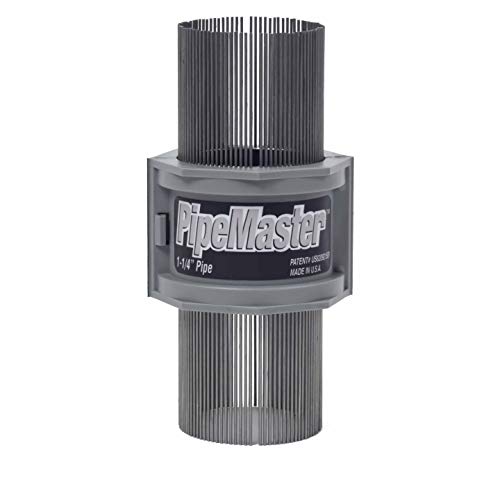
P-125 Pipe Contour Gauge for 1-1/4" Pipe
Profiler Inc.
Mid-Range
P-T1125 Contour Gauge for Pipe & Tube Fitting
Profiler Inc.
Mid-Range
Dragster Kit PipeMaster Contour Gauge for Pipe & Tube Fitting
Profiler Inc.
Mid-Range
P-200 Pipe & Tube Fitting Tool Contour Gauge
Profiler Inc.
Mid-Range
Stock Car Kit PipeMaster Contour Gauge for Pipe & Tube Fitting
Profiler Inc.
Premium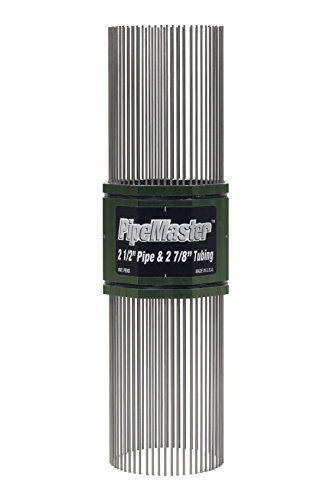
P-250 Pipe & Tube Contour Gauge
Profiler Inc.
Premium
Truck & Offroad PipeMaster Contour Gauge for Pipe & Tube Fitting
Profiler Inc.
Premium
P-300 Pipe & Tube Fitting Tool
Profiler Inc.
Premium
P-T325 Contour Gauge for Pipe & Tube Fitting
Profiler Inc.
Premium
P-400 Pipe & Tube Contour Gauge for precise coping
Profiler Inc.
Premium
Aircraft Kit PipeMaster Contour Gauge for Tube Fitting
Profiler Inc.
Premium
Tube Kit Contour Gauge for Pipe & Tube Fitting
Profiler Inc.
Premium
P-500 Pipe & Tube Contour Gauge
Profiler Inc.
Premium
Master Kit PipeMaster Contour Gauge for Pipe & Tube Fitting
Profiler Inc.
PremiumRoundups
Frequently Asked Questions
How do I choose the right size and material of compression fitting for my pipe or tubing?
Match the fitting bore diameter to your pipe or tubing outer diameter and confirm whether the fitting is rated for the pipe material (copper, stainless steel, plastic). Also check pressure and temperature ratings and compatibility with the media being conveyed
What are the common types of compression fittings and when should I use each?
Common types include straight unions, elbows, tees, and adapters; use unions to join two pipes, elbows to change direction, tees to split flow, and adapters to transition between thread types or sizes. Choose type based on system layout and connection requirements
Are compression fittings reusable and how many times can I install them?
Many compression fittings can be disassembled and reassembled a limited number of times, but repeated reuse can deform ferrules and reduce seal integrity; for critical or high-pressure applications, replace ferrules or the entire fitting after disassembly
What tools do I need to install compression fittings correctly?
Basic tools include appropriate-sized wrenches or spanners and, for some systems, a tubing cutter and deburring tool; use a torque wrench if the manufacturer specifies torque values to avoid over-tightening
How do I prevent leaks with compression fittings?
Ensure tubing is cut square and deburred, fully insert tubing to the fitting shoulder, tighten to the recommended seating torque or turns, and inspect ferrules and threads for damage; pressure-test the joint after installation
What are typical pressure and temperature considerations for compression fittings?
Pressure and temperature ratings vary by material and design; metal fittings generally handle higher pressures and temperatures than plastic ones, so confirm ratings for your application and include safety margins for transient conditions
How should I maintain compression fittings over time?
Visually inspect fittings for corrosion, leaks, or loose connections, re-tighten per manufacturer guidance if safe to do so, and replace damaged ferrules or fittings; keep records of maintenance for systems under regulatory oversight