Construction Protractors
Construction protractors in Tools & Industrial are angle-measuring instruments for layout, carpentry, and metalwork, offered in durable metal and digital styles. The category includes about 10 products averaging a 4.49 rating and mid-range prices near (price varies), with brands such as Klein Tools and 2PM TOOLS represented
Top Products

LEXIVON 2-pack Aluminum Miter Saw Protractor, 7-Inch
LEXIVON
Budget
GemRed 300mm Digital Angle Finder Protractor
Guilin GemRed Sensor Technology Co., Ltd
Budget
USB charging digital angle finder level box with laser
XUNTOP
Budget
10-inch digital torpedo level with magnets and LED
2PM TOOLS
Mid-Range
Klein Tools 935DAF Digital Angle Finder
Klein Tools
Mid-Range
Shefio 18 Inch Digital Level with Magnetic Protractor
Shefio
Mid-Range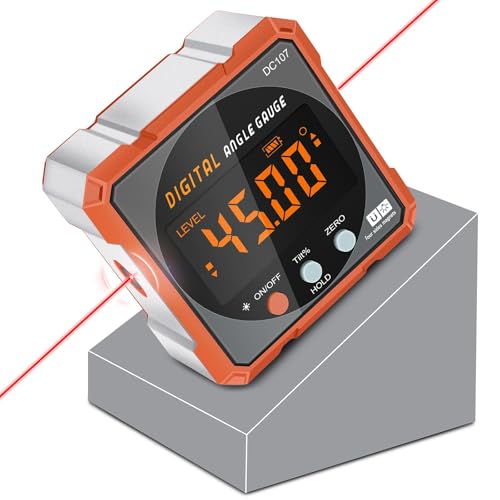
Digital angle finder with dual laser gauge and magnetic cube
AOSYCO
Budget
10-Inch digital level with magnets and LED display
2PM TOOLS
Mid-Range
Digital angle finder protractor 0-360° T-bevel gauge & LCD display
Rainyb
Budget
24-Inch digital torpedo level with magnets
2PM TOOLS
Mid-RangeRoundups
Frequently Asked Questions
What types of construction protractors are available and which should I choose for my project?
Common types include basic manual protractors for angle measurement, digital protractors/inclinometers that display angles electronically, combination protractors with built-in rulers or levels, and large bevel protractors for high-precision layout. Choose based on required accuracy (digital or bevel for higher precision), working size (larger for layout on lumber or sheet goods), and features like magnetic bases or integrated level vials for hands-free use
How accurate are construction protractors and what accuracy do I need?
Accuracy varies by type: basic manual protractors typically offer ±1° to ±2° resolution, while higher-end digital or bevel protractors can provide 0.1° to 0.5° accuracy. For framing and general carpentry ±1° is usually sufficient; finish work, metal fabrication, or layout requiring tight tolerances benefits from digital or precision bevel tools
What materials and build features should I look for to ensure durability on job sites?
Look for protractors made of hardened stainless steel, anodized aluminum, or impact-resistant polymers; corrosion-resistant finishes and sealed electronics for digital models improve longevity. Features that help on job sites include rubberized grips, clear engraved markings for wear resistance, magnetic bases, and locking mechanisms to hold set angles
Are digital protractors worth the extra cost compared with manual models?
Digital protractors add faster readouts, greater resolution (commonly 0.1°), and features like hold/zero functions and metric/imperial switching, which save time in frequent or precision tasks. For occasional basic measurements a manual protractor is cost-effective; for repetitive, high-precision, or low-visibility work a digital model is often justified
How should I care for and calibrate a construction protractor to keep it accurate?
Store tools in a protective case, avoid dropping or bending the blade, and keep scale markings clean. Digital models require occasional battery replacement and should be checked against a known flat reference (like a precision square) for zero error; many have a recalibration or zeroing function to correct minor drift
What accessories or complementary tools improve angle layout with a protractor?
Useful accessories include straightedges, combination squares, carpenter’s levels, angle finders or transfer tools, clamps for securing the workpiece, and a magnetic base for hands-free measurements. Templates or adjustable bevel gauges help transfer measured angles to scribing or cutting tasks
How much should I expect to spend on a construction protractor and what price tiers exist?
Budget manual protractors and basic combination models are commonly available under $50; mid-range digital or larger bevel protractors typically fall in the $50–$150 band; precision professional-grade or specialized electronic models can cost more. Choose a tier based on the frequency of use and required accuracy