Contact Cements
Contact cements in Tools & Industrial include solvent- and rubber-based adhesives for bonding laminates, leather, rubber, vinyl, and other substrates, suitable for assembly and repairs. The category spans budget through mid-range options (36 products, average rating 4.55) and features brands like RH Adhesives and 3M
Top Products

DAP Weldwood Original Contact Cement, 1 Pint (Pack of 2)
DAP
Budget
Barge All Purpose Cement Quart
Barge
Mid-Range
DAP Weldwood Original Contact Cement – tan, 1 gal
DAP
Mid-Range
Barge All Purpose Cement, Original
Barge
Mid-Range
Barge All-Purpose Cement Rubber Leather Shoe Glue 1 Qt
Barge
Mid-Range
Barge SuperStik Cement glue for shoes
Barge SuperStik Cement TF
Budget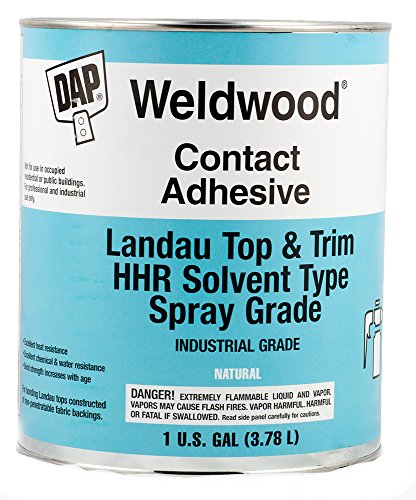
DAP Landau Top & Trim spray contact adhesive, 1 gal, natural
DAP
Mid-Range
Mytee 18oz Vinyl Repair Kit with HH66 Cement and Brush
Mytee Products
Mid-Range
Rutland Castable Refractory Cement 12.5 lb
RUTLAND PRODUCTS
Mid-Range
Gorilla Clear Grip Waterproof Contact Adhesive Minis (Six Pack)
GORILLA
Mid-Range
RH Adhesives Vinyl Patch Kit XL with 30" x 36" reinforced vinyl
RH Adhesives
Mid-Range
RH Adhesives Vinyl Patch Kit XL with 30x36 reinforced vinyl and HH-66 TF cement
RH Adhesives
Mid-Range
Mytee 18oz Vinyl Repair Kit with HH66 Cement and Patch
Mytee Products
Mid-Range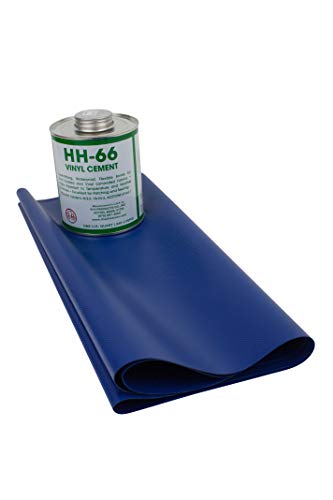
18oz blue vinyl tarp repair kit with HH66 cement and brush
Mytee Products
Mid-Range
Bazic Contact Cement Adhesive Glue 1 oz (30 ml) 24-pack
BAZIC Products
Mid-Range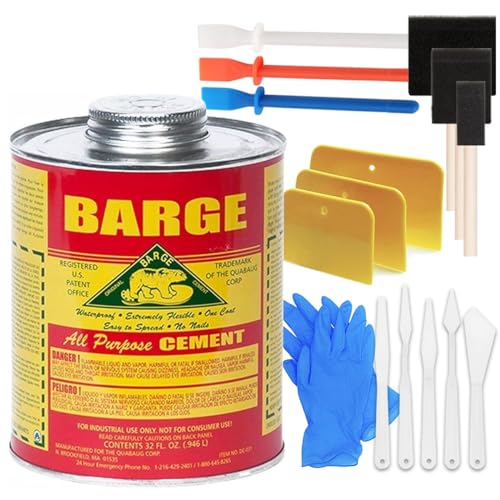
Barge All-Purpose Cement Kit for Shoes and Crafts
GRAS Art Bundles
Mid-Range
Barge Infinity Cement All Purpose Clear Glue
Barge
Budget
S-18 All-Purpose Adhesive - 32 oz
RH Adhesives
Budget
3M Fastbond Contact Adhesive 30NF, Neutral
3M
Mid-Range
IPS Weld-On 3 Acrylic Cement & Applicator Bottle
WELD-ON
Budget
Ardex Feather Finish - 10 lb (White) Cement
Ardex
Mid-Range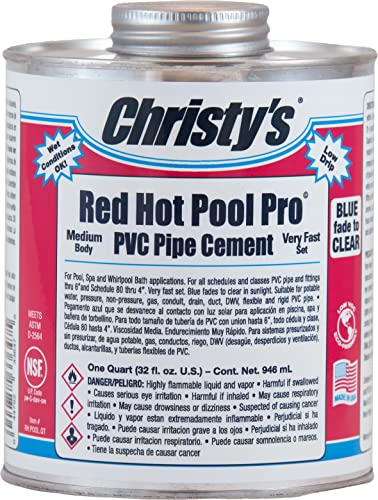
Christy's Red Hot Pool Pro PVC Cement - Medium Body, Very Fast Set
Christy's
Budget
Oatey cement with widemouth for PVC, heavy duty
Oatey
Mid-Range
HH-66 Thinner for HH-66 Vinyl Cement
RH Adhesives
Mid-RangeRoundups
Frequently Asked Questions
What is contact cement and what materials does it bond?
Contact cement is a solvent- or water-based adhesive that forms an instant, high-strength bond when two coated surfaces are pressed together; it commonly bonds laminates, rubber, leather, wood, metal, and some plastics
How do I choose the right contact cement for my project?
Select based on substrate compatibility (check label for plastics, rubber, wood), open time (short for instant bonding, longer for repositioning), solvent vs. water-based depending on ventilation and odor tolerance, and strength/temperature resistance required for the application
Are there safer or low-odor contact cement options for indoor use?
Yes; water-based and low-VOC contact cements offer reduced odor and lower solvent exposure compared with solvent-based formulas, but verify they meet the bond strength and heat resistance needed for your project
What surface preparation and application steps give the best bond?
Clean, dry, and degrease surfaces, lightly sand glossy substrates, apply an even coat to both surfaces, allow recommended tack time until dry-to-touch, align carefully, then press firmly—use a roller or press to ensure full contact and remove trapped air
How should I store and dispose of contact cement safely?
Store in a cool, well-ventilated area with the lid tightly closed; keep away from heat sources and open flames. Dispose of unused product and containers according to local hazardous-waste regulations, since many solvent-based cements are flammable and classified as hazardous
Can contact cement be repositioned after bonding and how long before it reaches full strength?
Most contact cements form an immediate permanent bond on contact and cannot be repositioned once pressed; full cure strength may take 24–72 hours depending on formulation, temperature, and humidity
What tools and safety gear are recommended when using contact cement?
Use brushes, rollers, or spray equipment suited to the product; wear chemical-resistant gloves, eye protection, and, for solvent-based cements, a properly rated respirator or ensure strong ventilation to reduce inhalation exposure