Control Valves
Control Valves covers industrial and plumbing valves used to regulate fluid flow and pressure, including ball, control, and safety valve types suitable for tools and industrial applications. The 17 indexed products average a 4.46 rating and span budget to premium price points (roughly $32–$930), with brands like Wryxia represented
Top Products
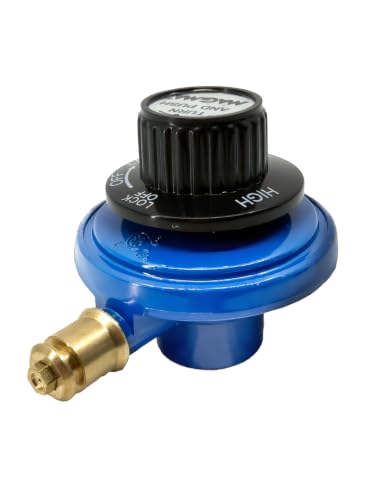
Magma Control Valve Regulator for 1lb Propane Tanks
MAGMA
Mid-Range
Adjustable Angle Vent Valve by Varivalve
Varivalve
Budget
BAV010 4-Way 2-Position Manual Air Valve 1/8 NPT Ports (Tailgate & Pneumatic)
Buyers Products Company
Budget
Midline Valve 6I364 Steam Radiator Valve with Air Vent
Midline Valve
Budget
(Pack of 50) EFIELD 1/4 Turn Straight Stop Valve 1/2 in Pex Chrome Brass
EFIELD
Premium
Midline Valve 1-1/2 in steam radiator valve with air vent
Midline Valve
Mid-Range
Midline Valve IXW-U114 Heavy Duty Hot Water Steam Radiator Valve
Midline Valve
Budget
Navien 3-Way Motorized Valve
Navien
Mid-Range
BAV020 4-Way 3-Position Manual Air Valve with Five 1/4 in NPT Ports
Buyers Products Company
Mid-Range
Water Softener Bypass Valve with Threaded Connections
Soft Water Supply
Mid-Range
4-Way 3-Position Manual Air Valve with five 1/4 in NPT ports
Buyers Products Company
Mid-Range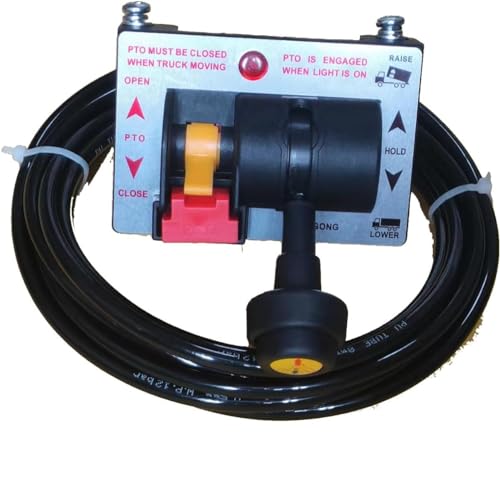
PTO Control Valve Set for Dump Pump with Kickout (10m Air Tube)
Wryxia
Mid-Range
PTO Control Valve Set for Dump Pump – Dual Air Kit
Wryxia
Mid-Range
PTO Control Valve Set for Dump Pump Dual Valve Air Kit with Kickout
Wryxia
Mid-Range
PTO Control Switch Set for Dump Pump with Kickout
Wryxia
Mid-Range
Zurn NR3XL 1-1/4 inch Pressure Reducing Valve with double union
Zurn
Premium
Zurn NR3XLDUC 1-1/2 in Pressure Reducing Valve with Double Union FNPT Copper Sweat
Zurn
PremiumRoundups
Frequently Asked Questions
How do I choose the right control valve for my application?
Select a valve based on fluid type, pressure and temperature ranges, required flow capacity (Cv), actuation method (manual, electric, pneumatic), and materials compatibility; match valve size to pipe diameter and consider control accuracy and response time for the process
What types of control valves are commonly used in industrial settings?
Common types include globe valves for throttling, ball and butterfly valves for on/off with some control ability, and diaphragm or needle valves for fine flow adjustments; actuated variants provide automated control
How should I size a control valve to ensure proper flow and performance?
Determine required flow rate and differential pressure, then use the valve flow coefficient (Cv) and manufacturer sizing charts or equations to select a valve with an appropriate Cv and trim that avoids excessive noise, cavitation, or poor control
What materials and trim options should I consider for durability and compatibility?
Choose body and internal materials (stainless steel, carbon steel, brass, PVC) based on corrosion, abrasion, and temperature conditions; select appropriate seat and stem materials and seals (PTFE, rubber, metal) for chemical compatibility and wear resistance
How much should I expect to spend on a control valve and what affects cost?
Prices vary by type, size, materials, and actuation; simple manual valves can be in the lower price ranges while larger, high-alloy, or actuated control valves typically cost more, with typical product category averages reflecting mid-range industrial prices
What installation and maintenance practices extend a control valve's service life?
Install valves with correct alignment and supports, use recommended actuators and positioners, remove debris before commissioning, perform periodic inspection of seals and packing, verify calibration of positioners, and follow a scheduled lubrication and tightening routine
How do I test and calibrate a control valve after installation?
Perform leak and pressure tests, cycle the valve through its range to check smooth operation, use a calibrated positioner or flow meter to map input signal to flow or valve position, and adjust deadband, gain, or stroking limits per manufacturer guidelines