Cork Raw Materials
This category covers raw cork materials and related industrial tools used for sealing, gaskets, sheet stock, and craft components, with mid-range to premium pricing (about $40–$230, avg $75). Products include sheets, rolls, and cutting tools from brands such as Manton Cork; average rating across 11 items is 4.51
Top Products

Hygloss Cork Roll 2 mm, 12 x 24 in, Brown (6 pcs)
Hygloss
Mid-Range
Manton Cork 24x36x1/2 inch cork sheet with adhesive strips
Manton Cork
Mid-Range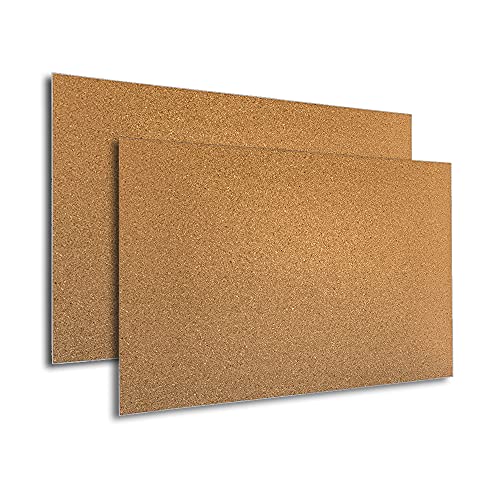
Manton Cork 24" x 36" x 3/8" Cork Sheet with Adhesive Strips
Manton Cork
Mid-Range
Manton Cork 24" x 36" Cork Sheet with Adhesive Strips
Manton Cork
Mid-Range
Manton Cork 24" x 36" cork sheet 1/2" thick
Manton Cork
Mid-Range
Manton Cork 24" x 36" x 1" Cork Sheet with Adhesive Strips
Manton Cork
Mid-Range
Flipside cork roll 4' x 6' x 3mm for DIY boards and decor
Flipside Products
Mid-Range
Manton Cork 24" x 36" cork sheet, 3/4" thick
Manton Cork
Mid-Range
Manton Cork 24" x 36" x 1/4" Cork Sheets (2-Pack) with Adhesive Strips
Manton Cork
Mid-Range
Manton Cork Premium Cork Sheet 4' x 8' x 1/4"
Manton Cork
Premium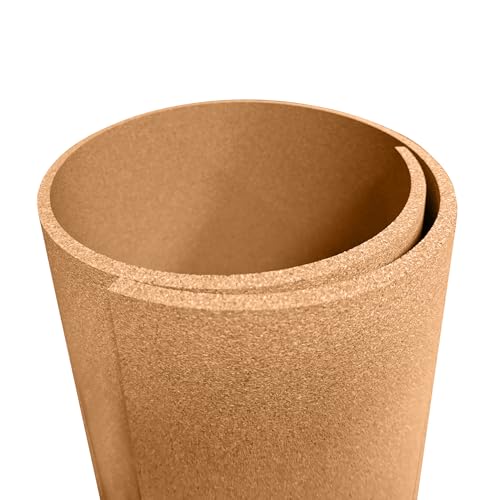
Manton Cork Premium Cork Sheet 4' x 8' x 1/2"
Manton Cork
PremiumRoundups
Frequently Asked Questions
What types of cork raw materials are commonly used for industrial and tooling applications?
Common types include natural cork sheets and blocks, agglomerated (reconstituted) cork, cork-rubber composites, and cork granules; each varies in density, compressibility, thermal and chemical resistance for different sealing, cushioning, and acoustic uses
How do I choose the right cork grade or density for a sealing or gasket application?
Select density based on required compressibility and recovery: lower-density cork is more compressible for low-pressure seals, mid-density offers a balance for general gaskets, and higher-density or cork-rubber blends suit higher pressures and abrasion resistance
What measurements and tolerances should I verify before ordering cork raw materials?
Confirm dimensions (thickness, length, width), density or grade, porosity, allowable thickness tolerance (typically ±0.5–2 mm depending on product), and whether pre-cut or custom die-cut shapes are needed for your tooling
What are typical price ranges and budget considerations for industrial cork materials?
Industrial cork raw materials span a wide range depending on type and quantity: small sheets and basic agglomerated cork often start in lower-cost brackets, while specialty cork-rubber composites and custom-cut parts commonly increase average costs; bulk purchasing usually reduces per-unit price
How should cork raw materials be stored and handled to maintain performance?
Store flat in a cool, dry, and shaded area away from direct sunlight and extreme humidity; avoid bending or stacking heavy loads on thin sheets, and keep materials in original packaging until ready to cut or install to prevent contamination and deformation
What are common performance limitations and compatibility issues to check for?
Check chemical resistance (solvents and oils may degrade some cork types), temperature limits (natural cork has lower heat tolerance than some composites), and compressive set over time; confirm compatibility with mating surfaces and operating environment