Cutting Burrs
Cutting burrs are rotary metalworking and deburring tools used for shaping, grinding, and removing material from metals, composites, and hard plastics. This Tools & Industrial category indexes 46 products with an average rating of 4.60 and mid-range prices around $33–$129; notable brands include LU&MN
Top Products

Carbide Burr Set 8pcs with 1/4'' Shank for Die Grinder
Asieg Tool
Budget
Carbide burr set with 1/4'' shank (8pcs) for die grinder
LA HARDWARE INC
Budget
Tungsten Carbide Burr Set with 1/4" Shank, 8PC
Pilim
Budget
SB-5 Tungsten Carbide Burrs, 5pcs Cylinder Double Cut, 1/4" shank
LA HARDWARE INC
Mid-Range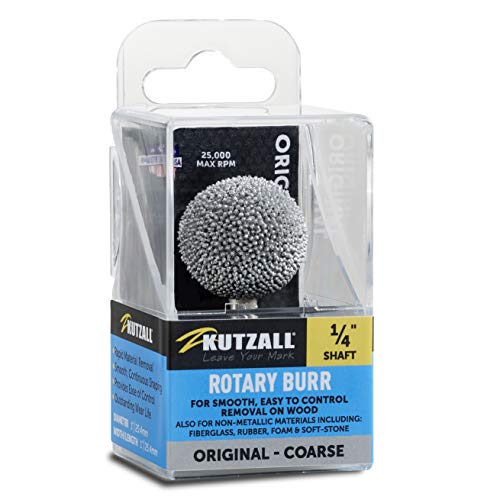
Kutzall Original Sphere Rotary Burr, 1" head, 14" shaft, coarse
Kutzall
Budget
Carbide burr set 1/4" shank 8pc for metal and wood
HIDOTOL
Budget
Carbide burr set 1/4 shank with grey box, 10 pcs
Sworker
Budget
Kutzall Extreme Sphere Rotary Burr 14" Shaft, Very Coarse
Kutzall
Budget
Kutzall Original Sphere Rotary Burr, 14" Shaft, Fine - Wood Carving Bit
Kutzall
Budget
Carbide burrs set 4pcs 1/4" shank for aluminum carving
Tungsten technology inc
Budget
Carbide Burr Set 10PC 1/4" Shank for Metal & Wood Engraving
HIDOTOL
Budget
Tungsten Carbide Burr Set 1/4" Shank 10Pcs Die Grinder Bits
JEEKVISEN
Mid-Range
10PCS Carbide Rotary Burr Set 1/4 Shank for Die Grinder
Viowey
Budget
Carbide burrs set with 1/4" shank for metal and wood
OA-BRES
Budget
EZARC tungsten carbide rotary burr set with 1/4" shank, SF-5 double cut, 5 pcs
EZARC
Mid-Range
Tungsten Carbide Burr Cylinder with Radius End, SC-3, 4pcs
LU&MN
Budget
Tungsten Carbide Burr Set 1/4" Shank 10pc Double Cut Rotary Bits
Pilim
Mid-Range
Carbide Burrs Set 1/4 Inch Shank Double Cut Solid Carbide Rotary Burrs (10pcs)
OSIDU
Budget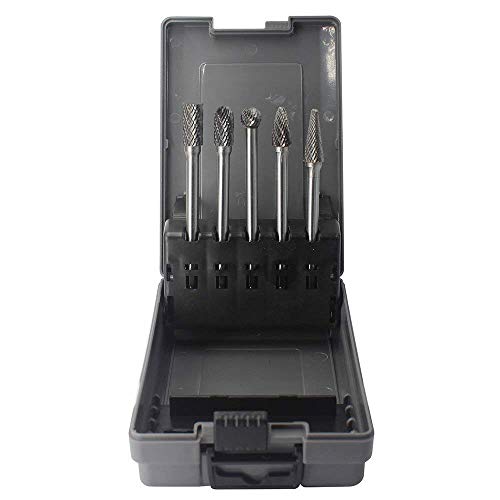
Carbide Burrs Set 5pc 1/4" Shank Extended Long Double Cut
Tungsten technology inc
Budget
Carbide burr set with 1/4'' shank for die grinder
Asieg Tool
Mid-Range
PFERD 3-Piece Carbide Burr Set with 1/8" Shank
PFERD Inc.
Budget
Tungsten Carbide Burr Tree Shaped Rotary Bit 1/4'' Shank (SF-3) - 4pcs
LU&MN
Budget
SA-3 Tungsten Carbide Burr Rotary File – Cylinder, Double Cut (4pcs) by LU&MN
LU&MN
Budget
Carbide Burr Set 1/4" Shank - 10pc Tungsten Carbide Rotary Burrs
HIDOTOL
Mid-RangeRoundups
- Best Cutting Burrs for Metal Grinding (2026)
- Best Cutting Burrs for Polishing (2026)
- Best Cutting Burrs for Engraving (2026)
- Best Cutting Burrs for Wood Carving (2026)
- Best Cutting Burrs Under $200 (2026)
- Best Cutting Burrs Under $100 (2026)
- Best Cutting Burrs Under $50 (2026)
- Best Cutting Burrs (2026 Guide)
Frequently Asked Questions
What are cutting burrs and what materials can they work on?
Cutting burrs are rotary cutting tools with fluted or shaped heads used for shaping, deburring, grinding, and material removal; common applications include steel, stainless steel, aluminum, cast iron, brass, plastics, wood, and composites depending on cutter material and flute geometry
How do I choose the right cutting burr shape and cut pattern?
Select the burr shape (cylindrical, ball, cone, flame, tree, etc.) based on the profile you need, and choose cut pattern (single cut for smooth finishing, double cut for faster material removal, or diamond/rasp for very hard materials) to balance speed and surface finish
What should I consider about shank size and tool compatibility?
Match the burr shank diameter (commonly 1/8" or 1/4") to your rotary tool, die grinder, or CNC collet capacity, and ensure the collet/runout specifications support the burr's maximum safe RPM for stability and safety
How do material and coating affect performance and lifespan?
Burrs made from tungsten carbide provide wear resistance and heat tolerance for hard metals, while high-speed steel is used for softer materials; coatings like titanium nitride can reduce heat buildup and extend life, but choose material/coating based on the workpiece hardness and cutting speed
What RPM and feed techniques should I use to avoid premature wear or breakage?
Use the manufacturer's recommended maximum RPM as a guideline; generally higher RPMs suit small-diameter carbide burrs while lower speeds and light, consistent feed reduce chipping—avoid side-loading, excessive force, and abrupt direction changes
How should I maintain and store cutting burrs to maximize life?
Keep burrs clean of buildup using appropriate solvents or ultrasonic cleaning, avoid overheating during use, store in individual slots or a labeled case to prevent nicking, and inspect for wear or missing teeth before reuse
What safety equipment and precautions are recommended when using cutting burrs?
Wear safety glasses or a face shield, hearing protection, cut-resistant gloves, and a dust mask or respirator for airborne particles; secure the workpiece, maintain proper tool guards, and disconnect power before changing burrs