D Printing Filament
This category covers 3D printing filaments and related consumables for tools and industrial use, including PLA, ABS, PETG, specialty blends, and support/maintenance supplies. Products range from budget to mid‑range and premium options, with top brands like SUNLU represented and an average rating of 4.42 across ~1,000 listings
Top Products

DURAMIC PLA+ Filament 1.75mm 2kg Black + Rouge Red (2 Spools)
DURAMIC 3D
Budget
ELEGOO PLA Plus Filament 1.75mm Black 2kg
ELEGOO
Budget
ELEGOO PC Filament 1.75mm Black 1KG – Tough, Heat Resistant PC Filament
ELEGOO
Budget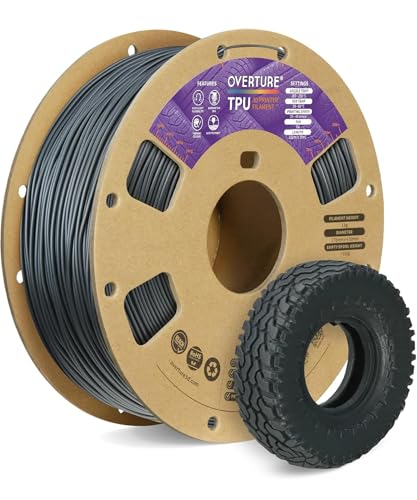
Overture TPU Filament 1.75mm 95A 1kg – Flexible
OVERTURE
Budget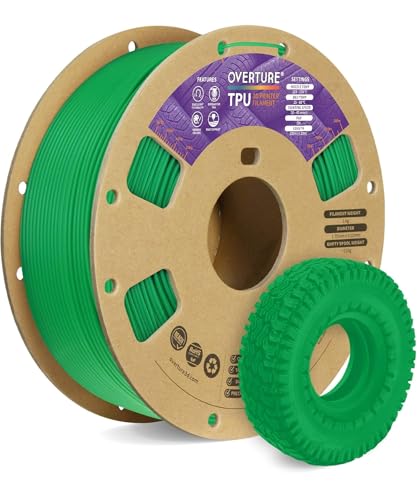
Overture TPU Filament 1.75mm 95A 1kg (2.2lb) Green
OVERTURE
Budget
Overture TPU High Speed Filament 1.75mm 1kg
OVERTURE
Budget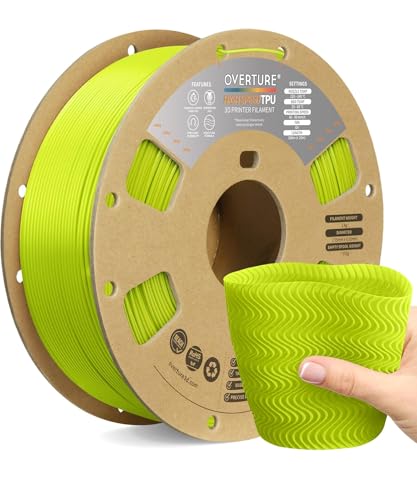
OVERTURE TPU High Speed Filament 1.75mm 95A (1kg) Grass Green
OVERTURE
Budget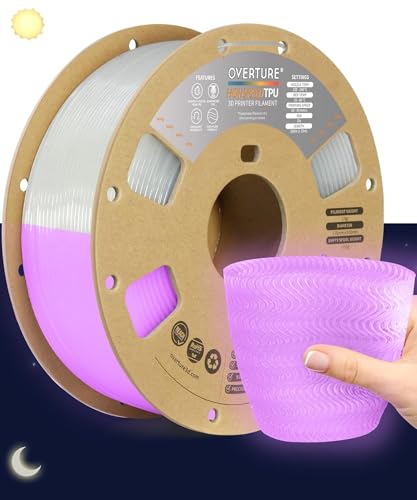
OVERTURE TPU High Speed Filament 1.75mm 1kg Roll
OVERTURE
Budget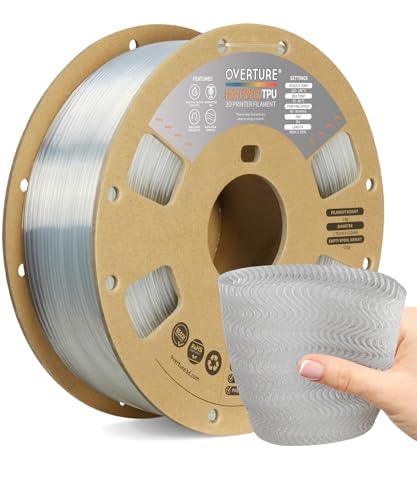
OVERTURE TPU High Speed Filament 1.75mm 1kg spool
OVERTURE
Budget
HATCHBOX Wood PLA Filament 1.75mm, 1 KG spool
HATCHBOX
Budget
HATCHBOX Wood PLA Filament 1.75mm 1 kg spool
HATCHBOX
Budget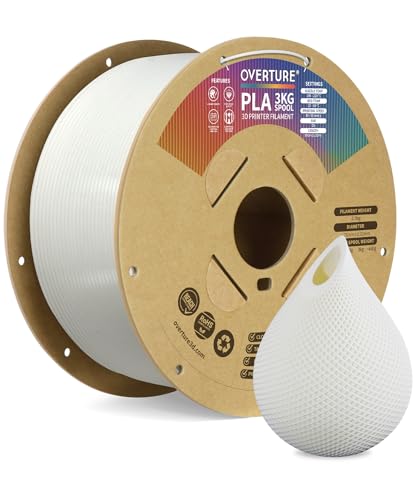
OVERTURE 1.75mm PLA Filament 3kg White
OVERTURE
Mid-Range
OVERTURE PLA Filament 4 Pack 1.75mm 4kg (4 x 1kg) White
OVERTURE
Mid-Range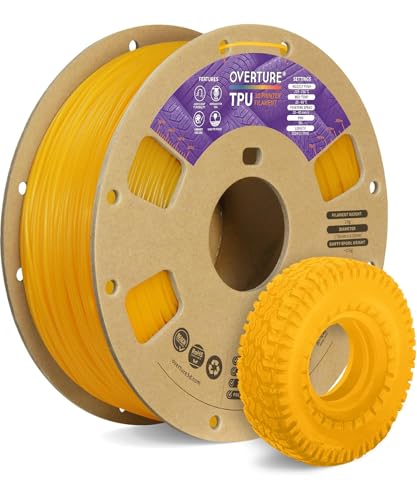
OVERTURE TPU Filament 1.75mm 95A 1kg Flexible Filament
OVERTURE
Budget
ELEGOO PLA Plus Filament 1.75mm White 2kg (2 spools) for FDM printers
ELEGOO
Budget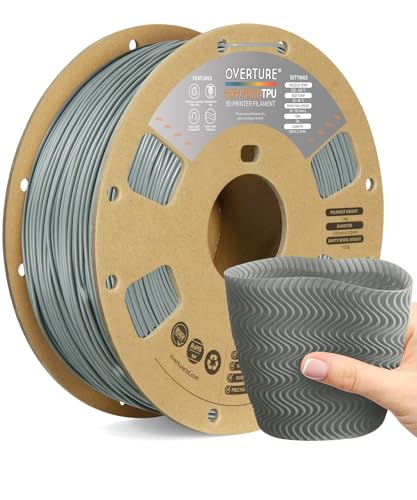
Overture TPU High Speed Filament 1.75mm 95A 1kg
OVERTURE
Budget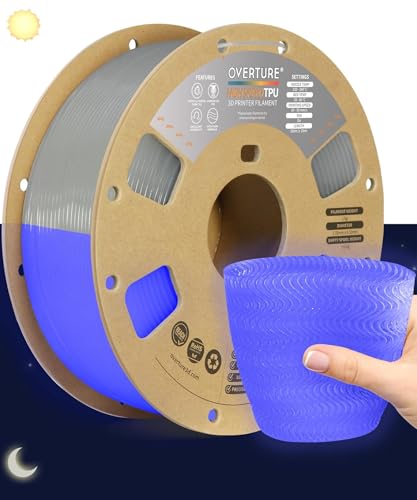
OVERTURE TPU High Speed Filament 1.75mm 95A
OVERTURE
Budget
SUNLU PLA+ 3D Printer Filament 1.75mm 3KG White
SUNLU
Budget
INLAND PLA+ 3D Printing Filament 1.75mm 1kg (2-pack) White & Gray
INLAND
Budget
INLAND PLA+ 3D Printing Filament 1.75mm 1kg (2 Pack) Gray
INLAND
Budget
INLAND PLA+ 3D Printing Filament 1.75mm 1kg (2 Pack, Black & Gray)
INLAND
Budget
INLAND PLA+ 3D Printing Filament 1.75mm 1kg (2 Pack, Black & White)
INLAND
Budget
DURAMIC 3D PLA+ Filament 1.75mm 2kg Black
DURAMIC 3D
Budget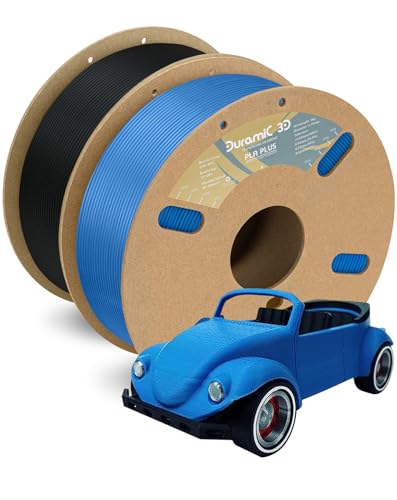
DURAMIC 3D PLA+ Filament 1.75mm 2kg Black + Blue
DURAMIC 3D
BudgetRoundups
Frequently Asked Questions
How do I choose the right filament material for my 3D printing project?
Select filament based on required part properties: PLA for ease of printing and prototypes, PETG for more strength and chemical resistance, ABS for higher temperature and impact resistance, and specialty materials (nylon, TPU, carbon-fiber blends) for flexibility, abrasion resistance, or added stiffness; also consider required printer capabilities such as heated bed or enclosure
What filament diameter and tolerances should I match to my printer?
Match the filament diameter (most commonly 1.75 mm or 2.85/3.00 mm) to your printer specification and choose filaments with tight roundness and diameter tolerance (±0.02–0.05 mm typical) to reduce extrusion variability and jams
How do temperature and print settings vary between filament types?
Recommended nozzle temperatures and bed temperatures vary by material: PLA prints at lower nozzle temps and often no heated bed, PETG and ABS require higher nozzle temps and a heated bed, and nylons/specialty filaments may need even higher temps and an enclosure; always follow the filament manufacturer's temperature ranges and adjust retraction, print speed, and cooling accordingly
Are filament spool quality and storage important?
Yes—consistent spool winding and a dry, tangle-free filament reduce printer jams, and many materials (nylon, PETG, some specialty blends) are hygroscopic and should be stored in a sealed container with desiccant or a filament dryer to prevent moisture-related print defects
How much should I expect to spend on filament per kilogram and are there budget versus premium trade-offs?
Filament prices vary by material and brand; many consumer filaments fall into budget options under $50 per kilogram and mid- to premium ranges above that; lower-cost filaments can print well but may have wider tolerances, lower pigment consistency, or less reliable drying compared with higher-priced, quality-controlled spools
Which safety and ventilation considerations apply when printing different filaments?
Some filaments (ABS, certain specialty blends) can emit odors or ultrafine particles when heated; use adequate room ventilation or an enclosed printer with filtration, avoid prolonged exposure in small unventilated spaces, and handle heated nozzles and hotbeds with care to prevent burns
How can I tell if a filament spool is causing print problems and how do I troubleshoot?
Symptoms like under-extrusion, inconsistent layers, or frequent jams can indicate diameter variation, poor winding, moisture in the filament, or incorrect print settings; measure diameter at multiple spool points, dry the filament if brittle or popping, check spool tension and feed path, and adjust temperature and retraction settings as troubleshooting steps