D Printing Liquid
This category covers liquid photopolymer resins and related supplies for desktop resin 3D printing, including standard, engineering, and specialty formulations plus filters and handling tools. It indexes 156 products with an average rating of 4.59 and price tiers from about $32 to $382, with brands like Siraya Tech and ANYCUBIC commonly represented
Top Products

Siraya Tech Fast ABS-Like Grey 3D Printer Resin, Tough, High Impact
Siraya Tech
Budget
Siraya Tech ABS-Like 3D Printer Resin, 405nm, 1kg, creamy
Siraya Tech
Budget
Siraya Tech ABS-Like 3D Printer Resin 405nm 1kg Smoky Black
Siraya Tech
Budget
Siraya Tech ABS-Like 3D Printer Resin Grey 1kg
Siraya Tech
Budget
Siraya Tech ABS-Like 3D Printer Resin, 405nm, 1kg, Grey
Siraya Tech
Budget
ABS-Like 3D Printer Resin Navy Grey 1kg
Siraya Tech
Budget
ELEGOO ABS-like Resin for MSLA/DLP 405nm Smoky Black 2000g
ELEGOO
Budget
Siraya Tech Fast ABS-Like Tough Navy Grey Resin
Siraya Tech
Mid-Range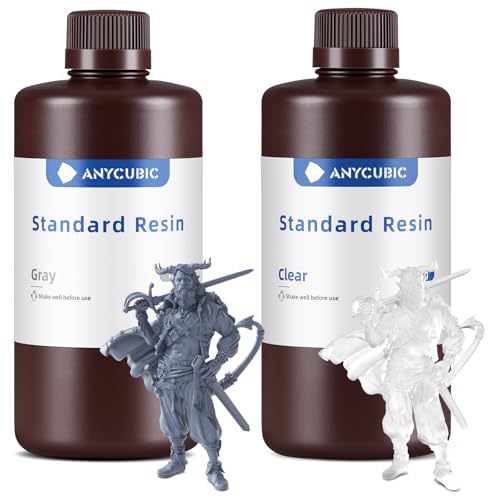
ANYCUBIC 405nm resin bundle for LCD 3D printing (grey+clear)
ANYCUBIC
Budget
SUNLU ABS-Like Resin 2000G for 3D Printers, 405nm UV, Grey
SUNLU
Mid-Range
SUNLU ABS-Like 3D Printer Resin, 2KG, White
SUNLU
Mid-Range
SUNLU ABS-Like 3D Printer Resin 2KG Black
SUNLU
Mid-Range
SUNLU ABS-Like 3D Printer Resin, 2kg, 405nm curing
SUNLU
Mid-Range
Siraya Tech Simple Water Washable resin - low odor, easy to print
Siraya Tech
Budget
ELEGOO Standard 3D Printer Resin 405nm Grey 2000g
ELEGOO
Mid-Range
ELEGOO 405nm Standard Photopolymer Resin, grey, 3000g
ELEGOO
Mid-Range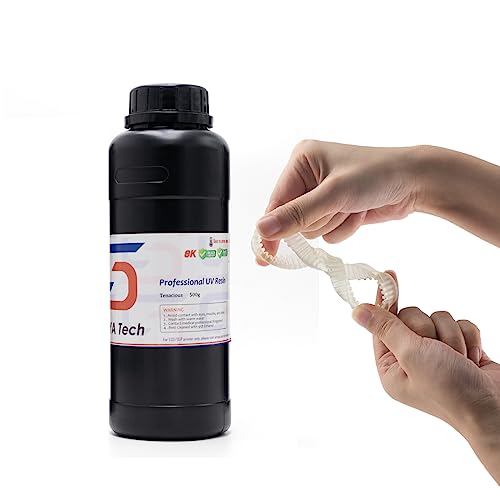
Siraya Tech Tenacious 3D printing resin (500g) – flexible, high impact
Siraya Tech
Budget
ANYCUBIC 3D Printer Resin Bundle 4kg grey 405nm fast curing
ANYCUBIC
Mid-Range
SUNLU 2000g Water-Wash ABS Resin for LCD/DLP/SLA printers
SUNLU
Mid-Range
ANYCUBIC Water Washable 3D Resin (2000g) for high-precision printing
ANYCUBIC
Mid-Range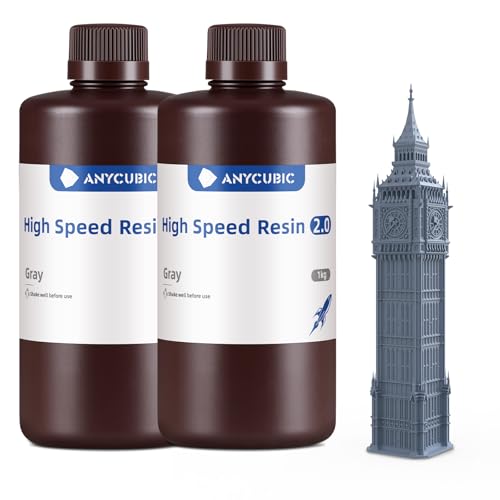
ANYCUBIC High Speed 3D Printer Resin 2.0, Low Odor, 2kg
ANYCUBIC
Mid-Range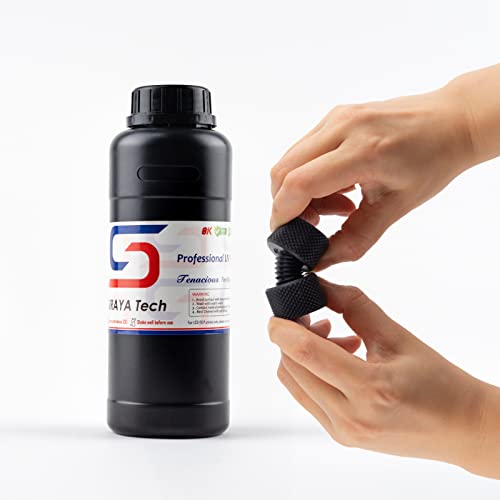
Siraya Tech Tenacious Flex 3D Resin (500g, Black)
Siraya Tech
Mid-Range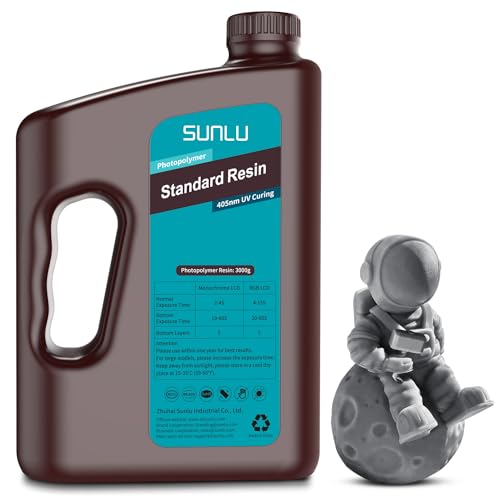
SUNLU 3D Printer Resin 3kg dark grey
SUNLU
Budget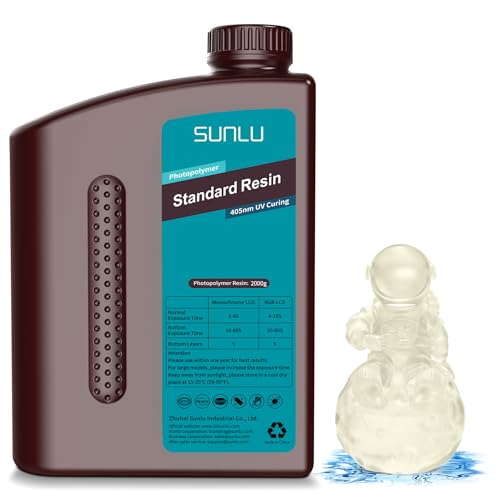
SUNLU 3D Printer Resin 2kg, Fast Citting Standard Resin 395-405nm
SUNLU
Mid-RangeRoundups
Frequently Asked Questions
What is 'D Printing Liquid' and how does it differ from filament used in FDM printers?
D printing liquid (resin) is a photosensitive liquid cured by UV light in SLA/DLP/LCD printers, producing higher-detail parts than melted thermoplastic filament used in FDM printers; resins require post-processing (isopropyl alcohol wash and UV curing) and different handling and storage precautions
How do I choose the right resin for my project?
Select based on print method compatibility (SLA/DLP/LCD), desired properties (standard/general-purpose, ABS-like/tough, flexible, high-temperature, dental/jewelry castable), required layer resolution and color/transparency; check manufacturer datasheets for tensile strength, elongation, and recommended exposure settings
What safety and handling precautions should I follow when using resin?
Wear nitrile gloves and eye protection, work in a well-ventilated area or use ventilation, avoid skin contact and inhalation of fumes, store resin in sealed opaque containers away from heat and sunlight, and follow local disposal regulations for uncured resin and contaminated cleaning liquids
How much does resin printing typically cost and what influences ongoing expenses?
Initial resin prices vary by formulation and brand, with consumer options often available under $50 and specialty resins costing more; ongoing costs include replacement resin, isopropyl alcohol or other cleaning solutions, replacement FEP/LCD screens, and post-curing equipment
How do I maintain print quality and extend the life of consumables?
Keep resin tanks and build plates clean, strain reused resin to remove cured particles, replace FEP film and LCD screens when damaged or cloudy, store resin properly to prevent contamination, and follow recommended exposure and layer settings to avoid overcuring or undercuring
Are third-party resins compatible with my printer and how do I test them safely?
Many third-party resins are compatible, but check the printer's supported wavelengths and the resin's recommended exposure parameters; test new resins with small calibration prints, adjust exposure settings, and monitor for unexpected adhesion or curing behavior before large or critical prints
What post-processing steps are required after printing with liquid resin?
Typical post-processing includes rinsing prints in isopropyl alcohol or recommended solvent to remove uncured resin, removing supports and sanding as needed, followed by final UV post-curing to reach specified mechanical properties and complete polymerization