Deburring Cutters
Deburring cutters for metalworking and fabrication remove burrs and chamfer edges on pipes, sheets, and machined parts; common types include handheld deburring blades and rotary deburring cutters. The category indexes 24 products (average rating 4.49) with mid-range prices around $54 and brands like ORX PLUS TOOLS
Top Products

Deburring Tool with 41 blades for metal and plastics
AFA Tooling Approved for Automotive
Mid-Range
AFA Tooling Deburring Tool with 41 Blades
AFA Tooling Approved for Automotive
Budget
SharkBite depth gauge and deburring tool
SharkBite
Budget
AFA Tooling Deburring Tool & 2 Countersink Reamers
AFA Tooling Approved for Automotive
Mid-Range
9-in-1 PVC Deburring Tool, adjustable chamfer
RESHARK
Mid-Range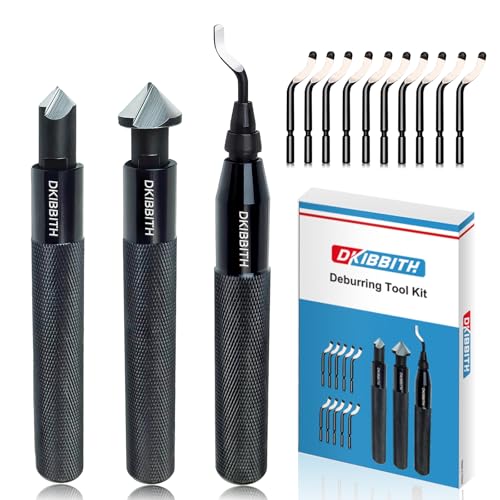
DKIBBITH 13-Piece Deburring Tool Set with 2 Countersinks & 11 Blades
DKIBBITH
Budget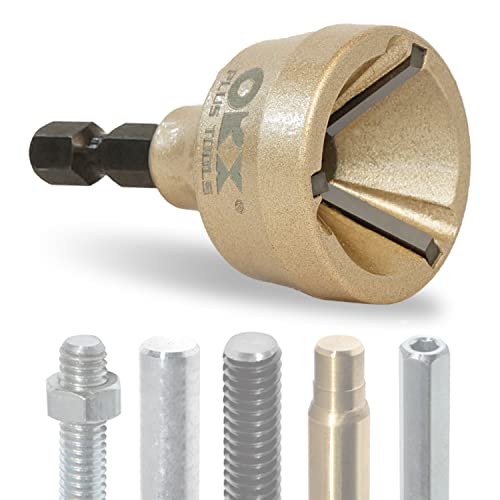
External chamfer tool with tungsten blade for deburring stainless rods
ORX PLUS TOOLS
Mid-Range
DEB4 Deburring Tool for Plastic (1-1/4 to 4 in)
Standard Plumbing Supply
Mid-Range
Noga RC2200 Large Reversible Deburring Tool Holder Set
NOGA
Mid-Range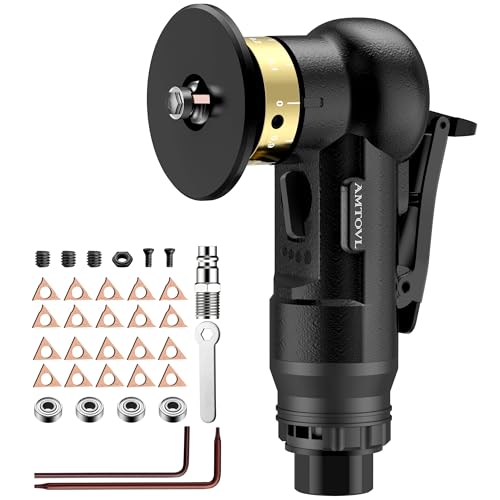
AMTOVL Air Chamfer Tool - Mini Pneumatic Chamfering Machine
AMTOVL
Mid-Range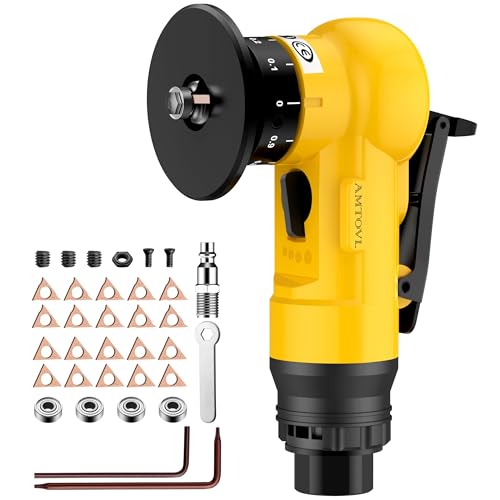
AMTOVL Air Chamfer Tool - Mini Pneumatic Chamfering Machine
AMTOVL
Mid-Range
ORXPLUS external deburring chamfer tool with tungsten blade
ORX PLUS TOOLS
Mid-Range
Noga RC1000 Mini Reversible Deburring Tool Holder Set
NOGA
Budget
2-in-1 PVC deburring tool for inner & outer edges
Gohelper
Mid-Range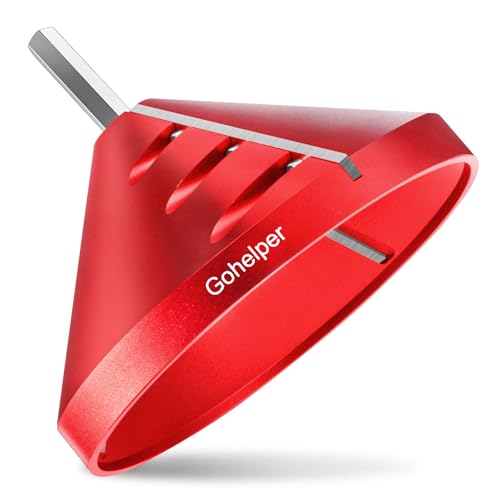
2 in 1 PVC Deburring Tool for PVC/CPVC/ABS/PP/PE
Gohelper
Mid-Range
Pneumatic Chamfering Tool Handheld 45° Arc Chamferer
belistair
Mid-Range
2 in 1 Pneumatic Chamfering Tool with 6 R blades and 8 C blades
AIERPO
Mid-Range
9-in-1 PVC Deburring Tool for 9 pipe sizes, adjustable chamfer tool
RESHARK
Budget
ORXPLUS external deburring chamfer tool with tungsten blade
ORX PLUS TOOLS
Mid-Range
2 in 1 Pneumatic Chamfering Tool with Multi-Angle Kit
AIERPO
Mid-Range
ORXPLUS Tools Deburring Chamfer & Countersink Bit Kit 3 Pack
ORX PLUS TOOLS
Premium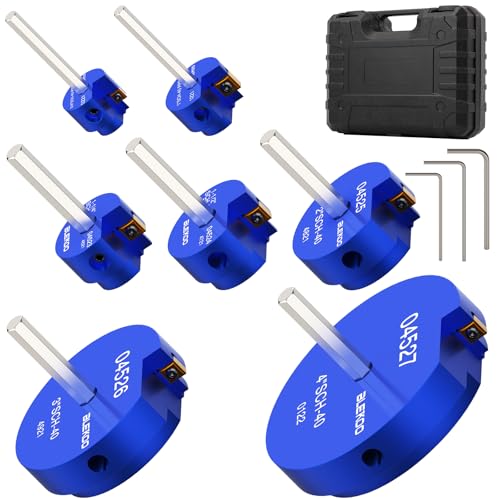
7-Piece PVC Pipe Reamer Kit | SCH40 Aluminum Deburring Tool Set (3/4" to 4")
blekoo
Mid-Range
2 in 1 inner-outer reamer for pipe and tubing
ORX PLUS TOOLS
Mid-Range
PVC Pipe Reamer Kit with 8 sizes, dual-blade carbide cutters
blekoo
Mid-RangeRoundups
Frequently Asked Questions
How do I choose the right deburring cutter for my material and application?
Select cutters by matching shank size to your tool, choosing cutter geometry and flute count for the material (single- or double-edge for soft metals and plastics; multi-flute for harder metals), and considering cutter diameter and cutting length to reach the work area without chatter
What types of shanks, sizes, and materials are common and why do they matter?
Common shanks include 1/4" and 3/8" round or hex; choose a shank that fits your drill, rotary tool, or tool holder. Cutter bodies are usually high-speed steel (HSS) or carbide—HSS is tougher for intermittent cuts, carbide holds an edge longer on hard materials; size affects access and finish quality
How do I balance cost and durability when buying deburring cutters?
Budget options typically cost under $50 for basic sets and are fine for occasional light use; carbide or branded specialty cutters cost more but last longer in production environments. Consider buying multi-packs or replacement heads if you need frequent use to lower per-cut cost
What feeds, speeds, and operating tips give the best results and longest cutter life?
Use moderate spindle speeds and light axial feed to avoid overheating; maintain steady contact and avoid heavy side loading. Apply cutting fluid on metals when appropriate, clear chips frequently, and reduce speed as diameter decreases to control surface finish
How do I maintain and store deburring cutters to extend their life?
Keep cutters clean and dry, remove built-up material with a soft brush, protect cutting edges in individual holders or foam racks, and sharpen or replace them when they show dulling or chipping to prevent poor finishes and tool failure
Are there safety considerations I should follow when using deburring cutters?
Wear eye protection and appropriate gloves, secure the workpiece, use guards on rotary tools when available, avoid excessive force that can cause breakage, and disconnect power before changing cutters or making adjustments
What should I look for in a replacement or spare cutter set for industrial use?
Look for compatible shank sizes, a range of cutter diameters and geometries for different edges, durable materials like carbide or coated HSS if required by your workload, and clear specifications on RPM limits and recommended materials