Diaphragm Pumps
Diaphragm pumps for tools and industrial use, including lightweight transfer pumps, chemical-resistant models, and air-operated units for viscous fluids. The category covers budget through mid-range options (21 products, average price about (price varies)) and features brands such as VEVOR
Top Products

VEVOR 12V DC Diaphragm Pump 3.5 GPM 55 PSI
VEVOR
Mid-Range
Everflo 12V Diaphragm Pump with 3/8 in hose barb ports
Everflo
Budget
VEVOR 12V Water Diaphragm Pump, 5.5 GPM, 70 PSI
VEVOR
Mid-Range
Everflo diaphragm water pump 3.0 GPM 12V 60 psi
Everflo
Mid-Range
Cleartide DC Diaphragm Water Pump, 12V, 3.3 GPM, 50 PSI
Cleartide
Mid-Range
33-Series 110V Diaphragm Pump, 4.0 GPM, 50 PSI
YYGFMINGE
Mid-Range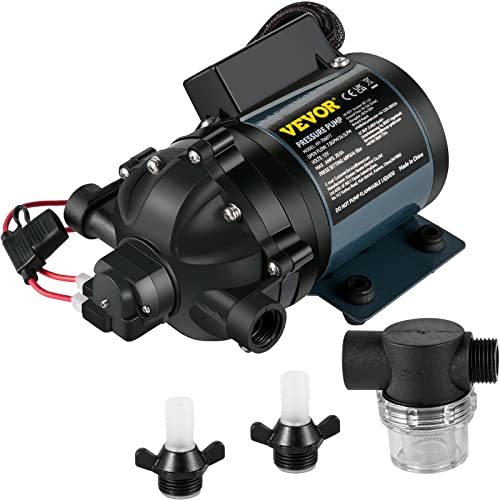
VEVOR Washdown Pump 12V DC 7 GPM 60 PSI
VEVOR
Mid-Range
VEVOR 110V Water Pressure Diaphragm Pump for RVs
VEVOR
Mid-Range
SEAFLO 55-Series 12V DC Diaphragm Pump, 5.5 GPM
SEAFLO
Premium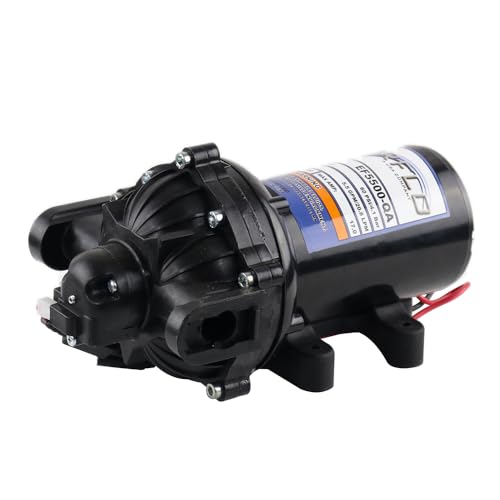
Everflo 12V Diaphragm Sprayer Pump - 5.5GPM, 60 PSI
Everflo
Premium
Air-Operated Double Diaphragm Pump, 1/2 in Inlet/Outlet, Polypropylene
VEVOR
Mid-Range
VEVOR Air-Operated Diaphragm Pump 1/2 in Nitrile Diaphragm Cast Iron
VEVOR
Mid-Range
Cleartide Diaphragm Water Pump 115V 3.3 GPM 50 PSI
Cleartide
Mid-Range
EF5500-BOX 12V Diaphragm Sprayer Pump, 5.5GPM 60 PSI
DEEKOOL
Mid-Range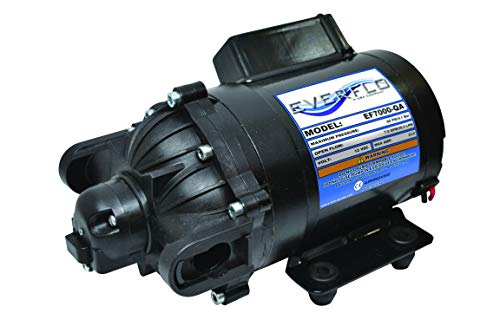
Everflo 12V On-Demand Diaphragm Sprayer Pump - 7.0 GPM, 60 PSI
Everflo
Premium
Shurflo 2088-343-135 12V DC Diaphragm Pump
SHURFLO
Premium
VEVOR 1 inch air-operated diaphragm pump, aluminum body
VEVOR
Premium
VEVOR Air Operated Diaphragm Pump 44 GPM 115 PSI
VEVOR
Premium
Chapin 6-9216 12V/5.0 GPM Diaphragm Water Pump
Chapin International
Premium
Air-Operated Double Diaphragm Pump, 1/2 in PTFE Diaphragm
VEVOR
Premium
Air-Operated Diaphragm Pump 1 in Inlet/Outlet, 30 GPM, 120 PSI
VEVOR
PremiumRoundups
Frequently Asked Questions
How do I choose the right diaphragm pump for my application?
Match pump materials and seals to the fluid (chemical compatibility), choose a flow rate and pressure rating that meet your system requirements, and consider power source (electric, air-driven, or manual), port size, and solids-handling capability
What are the common uses for diaphragm pumps in tools & industrial settings?
They’re used for transferring corrosive or viscous liquids, chemical dosing, wastewater and sump service, spraying and pressure washing, and applications where self-priming and dry-run capability are beneficial
How does pump construction affect durability and chemical compatibility?
Pump body and diaphragm materials (e.g., polypropylene, PVDF, stainless steel, PTFE, Buna-N, EPDM) determine resistance to chemicals and abrasion; choose materials rated for the fluid, temperature, and pressure to maximize lifespan
What maintenance should I expect and how long do diaphragms typically last?
Routine maintenance includes inspecting and replacing diaphragms, check valves, and seals, cleaning strainers and ports, and tightening fittings; diaphragm life varies widely with fluid type, duty cycle, and material but commonly ranges from months to years
Are diaphragm pumps energy-efficient and what should I consider about operating costs?
Efficiency depends on pump type and duty cycle; air-operated pumps use compressed air and can be less energy-efficient than electric motors, while electric pumps run more efficiently for continuous service—factor in power source cost, maintenance, and replacement parts when estimating operating costs
Can diaphragm pumps handle solids or abrasive fluids?
Many diaphragm pumps are designed to pass suspended solids and handle abrasive slurries, but solids size limits and wear on diaphragms and valves vary—check manufacturer specifications for maximum particle size and recommended materials for abrasive service
What installation and safety considerations should I follow?
Install with proper mounting, correct inlet/outlet pipe sizing, and strainers to prevent clogging; ensure compatibility with system pressure and temperature, provide proper venting for hazardous fluids, and follow lockout/tagout and grounding guidelines for electrical models