Digital Calipers
Digital calipers for measuring internal, external, depth, and step dimensions, offered in mechanical and digital formats for workshop and industrial use. The 68-product category averages a 4.58 rating, spans about $33–$525 (avg $84), and includes brands like iGaging and Mitutoyo across budget through premium options
Top Products

VINCA DCLA-0805 8 Inch Digital Caliper with IP54
VINCA
Budget
VINCA IP54 12in Digital Caliper with Inch/Millimeter/Fraction
VINCA
Mid-Range
iGaging IP54 0-4" EZ CAL Fractional Digital Caliper
iGaging
Budget
iGaging digital caliper 0-4" with USB output
iGaging
Mid-Range
iGaging 0-6
iGaging
Mid-Range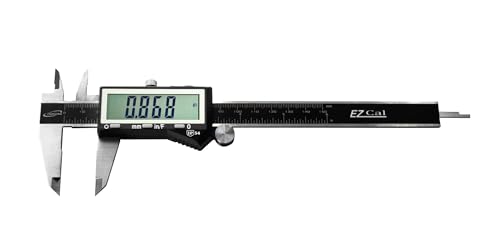
iGaging 0-6" IP54 digital caliper, stainless steel
iGaging
Budget
iGaging 0-6" digital caliper with SPC USB output
iGaging
Mid-Range
iGaging EZCal Digital Caliper 0-8in/200mm with IP54 lcd
iGaging
Mid-Range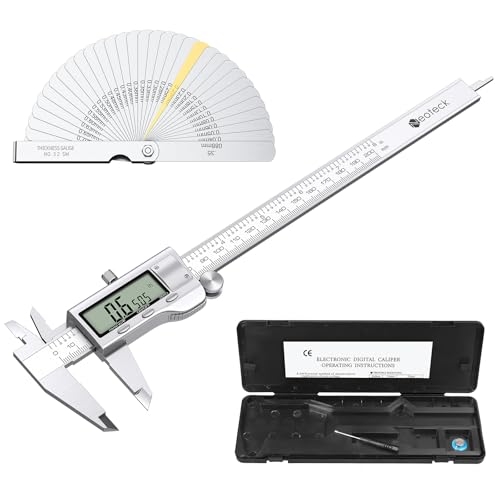
Neoteck 8 inch Digital Caliper with Feeler Gauges
Neoteck
Budget
Werka digital caliper 0-6 inch with 0.001in accuracy
werka
Budget
General Tools 6" Digital Caliper
General Tools
Mid-Range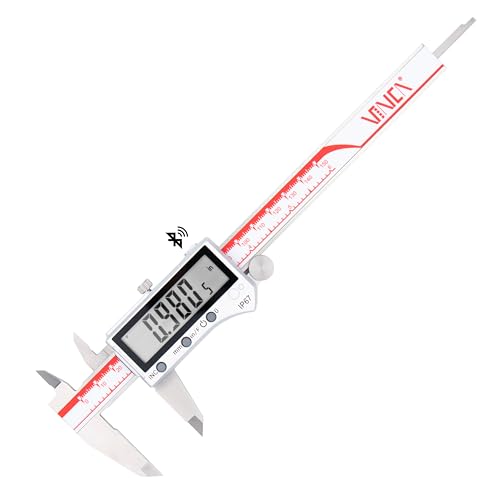
VINCA IP67 digital caliper 0-6 in 150mm
VINCA
Mid-Range
Digital caliper 12 inch with large LCD screen
HARDELL
Mid-Range
iGaging EZ CAL IP54 0-12" digital caliper
iGaging
Mid-Range
DCLR-0805 Digital Caliper 0-8 in / 200 mm IP54 stainless
Clockwise Tools
Mid-Range
Fowler Xtra-Value Digital Caliper 0-6in/150mm, blue
Fowler
Mid-Range
AccuMASTER 6-Inch Digital Caliper with fractional inch/mm display
Calculated Industries
Budget
iGAGING Absolute Origin 0-12" Digital Caliper
iGaging
Mid-Range
Digital caliper with ABS absolute scale, 8in, IP54
Housolution
Mid-Range
HARDELL digital caliper with rechargeable battery
HARDELL
Budget
WEN electronic 6.1
WEN
Budget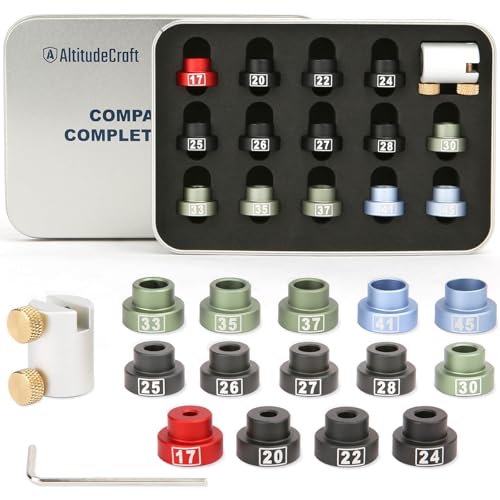
Bullet comparator kit with 14 inserts for calibers .17–.45
AltitudeCraft
Mid-Range
Housolution 12 Inch Digital Caliper with LCD Screen
Housolution
Mid-Range
iGaging brake rotor gauge wheels with digital display caliper
iGaging
Mid-RangeRoundups
Frequently Asked Questions
How do I choose the right digital caliper for my needs?
Choose by measurement range (commonly 0–150mm/6" for general use, 200mm/8" or 300mm/12" for larger parts), resolution (0.01mm/0.0005" is typical), accuracy specification, and build material (stainless steel for durability). Consider extra features like IP water/dust resistance, inch/mm conversion, data output for logging, and battery life based on your workflow
What accuracy and resolution should I expect from a quality digital caliper?
Most quality digital calipers offer resolution of 0.01mm (0.0005") and stated accuracy in the ±0.02–0.05mm range for 150mm models; larger-range calipers often have slightly larger error bands. Check the manufacturer’s accuracy specification rather than assuming all calipers perform identically
Are cheaper digital calipers under $50 worth buying for hobby or light shop use?
Budget calipers under $50 can be adequate for hobbyists or non-critical measurements, but they may have lower long-term accuracy, looser tolerances, less robust construction, and fewer features than higher-priced models. For professional or repeatable precision work, spending more for better accuracy, build quality, and serviceability is recommended
How do I care for and maintain a digital caliper to keep it accurate?
Keep measuring surfaces clean and free of debris, wipe the guide rails with a lint-free cloth, avoid drops or side impacts, remove the battery if storing long-term, and check zero/calibration regularly; for severe contamination, use light oil on the slides and follow the manufacturer’s cleaning instructions to avoid damaging electronics
What are the advantages of stainless steel vs. carbon fiber/plastic-bodied calipers?
Stainless steel calipers are more durable, resist wear, and maintain jaw alignment over time, making them better for shop environments. Carbon fiber or plastic-bodied models are lighter and may resist corrosion but typically offer less rigidity and wear resistance, which can affect long-term accuracy
Do digital calipers have data output for logging measurements, and what formats are common?
Many digital calipers include a data output (often called Mitutoyo-style or SPC output) using a small plug or wireless module; common formats are serial TTL or RS-232 via adapter, and some models offer Bluetooth for mobile apps. Verify the output type and compatibility with your data-logging hardware or software before purchasing
How often should I calibrate a digital caliper and how is calibration performed?
Calibration frequency depends on usage and accuracy needs—annual calibration is common for general shop tools, while high-precision or production tools may require more frequent checks. Calibration involves checking zero, using gauge blocks or reference standards at multiple points, and adjusting or documenting deviations according to a calibration procedure or service provider