Disconnect Terminals
Disconnect terminals for electrical and wiring work, including crimp-on and insulated quick-disconnect connectors used in automotive, marine, and industrial applications. The 20 indexed products average a 4.56 rating and mid-range pricing (about $33–$71), with brands like RVBOATPAT represented
Top Products
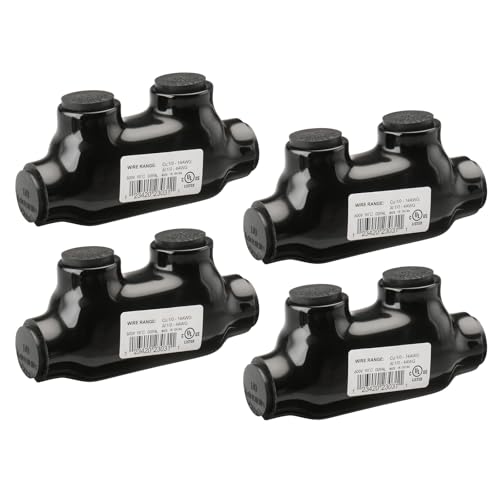
Insulated Splice Connector 4-Pack 1/0-14 AWG Al-Cu, 3/16" Slotted Hex
WENGART
Budget
Baomain 1/4" Female Quick Disconnect Spade Terminals, Insulated, 12-10 AWG, 6.3mm, Yellow (1000-Pack)
Baomain Electric INC
Mid-Range
Baomain 1000-Pack 1/4" Female Quick Disconnect Spade Terminals, 16-14 AWG
Baomain Electric INC
Mid-Range
Baomain insulated 1/4-inch female quick disconnect spade terminals
Baomain Electric INC
Mid-Range
SURAIELEC 60 Amp AC Disconnect Box with Fuse, Outdoor Metal Enclosure
SURAIELEC
Budget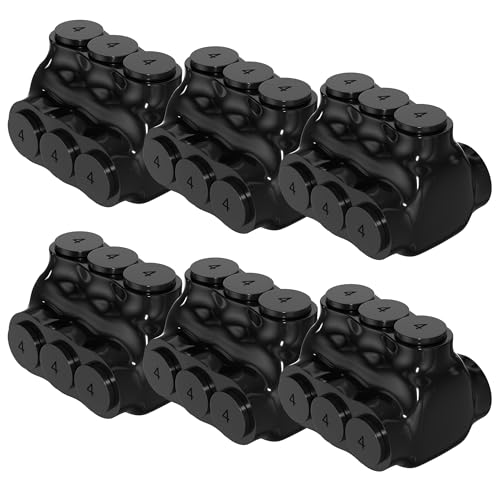
3 Port Dual Entry Insulated Multi Tap Connector
RVBOATPAT
Budget
Midwest U065P weatherproof 60A 240V AC disconnect switch
Midwest
Budget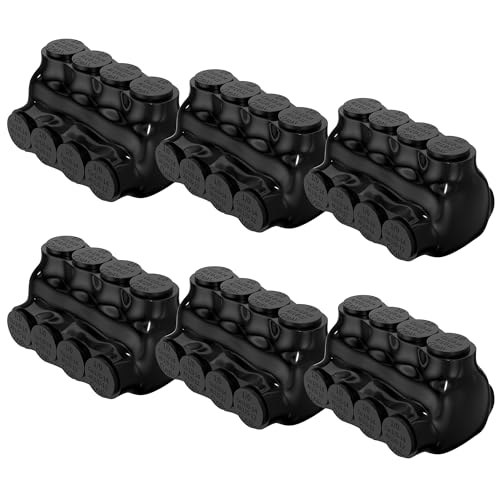
4 port insulated connectors 1/0-14awg multi tap connector set
RVBOATPAT
Mid-Range
6 Pack 2 Port Insulated Multi Tap Connector
RVBOATPAT
Mid-Range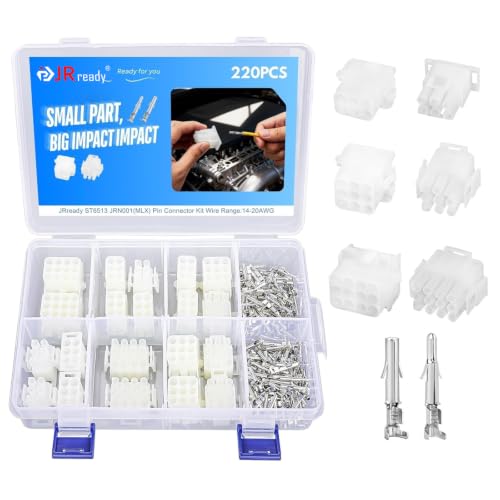
JRready 6.35mm Pitch 220Pcs Pin Connector Kit for 12-24 AWG
JRready
Budget
Wells 2 Pack 30 Amp AC Disconnect Box (No Fuse) Outdoor 120/240V
Wells
Mid-Range
Kuject T Tap Wire Connectors Kit with Organizers
Kuject
Mid-Range
Insulated 3-Port Wire Connector (2-14 AWG) Aluminum, 6 Pack
RVBOATPAT
Mid-Range
Sherco-Auto 8 AWG Female Quick Disconnect Connectors, 1000 Pcs
Sherco-Auto
Mid-Range
4-Pole AC Disconnect Switch 690V IP66
ZJWZJH
Budget
Tnisesm 100Pcs Power Connectors with Crimping Tool, AWG10-20
Tnisesm
Mid-Range
32A AC Disconnect Switch 690V 4-Pole IP66 Isolator
ZJWZJH
Budget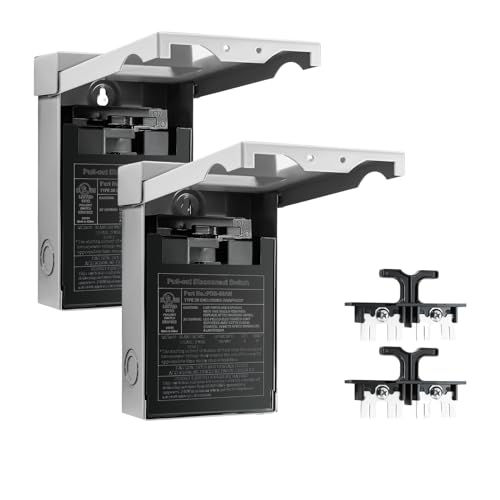
Pack of 2 60 Amp AC Disconnect Switch Outdoor 120/240VAC
CHGAOY
Mid-Range
Pack of 2 30 Amp AC Disconnect Switch Outdoor
CHGAOY
Mid-Range
40A 4-Pole AC Isolator Switch 690V PV Disconnect
ZJWZJH
Mid-RangeRoundups
Frequently Asked Questions
What are disconnect terminals and when should I use them?
Disconnect terminals are electrical connectors that allow quick connection and disconnection of wires without cutting or soldering; they are used where frequent access, maintenance, or safe isolation of circuits is required, such as in automotive, RV, marine, and industrial equipment
How do I choose the correct disconnect terminal type and size?
Select a type (blade, receptacle, ring, spade, or bullet) that matches the mating connector and space constraints, and choose a size rated for the wire gauge and current: terminals are typically matched to wire AWG (e.g., 22–10 AWG) and have current/voltage ratings on product specs
What materials and plating should I look for for durability and corrosion resistance?
Common materials are brass or copper with tin or nickel plating; tin-plated terminals offer good corrosion resistance and solderability for general use, while nickel plating resists harsh environments better—select based on exposure to moisture, salt, or chemicals
Are insulated terminals necessary and how do I pick the right insulation?
Insulation protects against accidental shorts and provides strain relief; choose vinyl (PVC) for basic protection, nylon for higher temperature and abrasion resistance, and match the insulation color coding to the wire gauge standard if color-coded sizing is used
How do I properly install disconnect terminals to ensure a reliable connection?
Strip the wire to the specified length, insert the conductor fully into the terminal barrel, and crimp with a quality ratchet crimper sized for the terminal; for higher-reliability applications consider soldering after crimping or using heat-shrink insulated terminals for environmental sealing
What electrical ratings and certifications should I check before buying?
Check voltage and current ratings to ensure they exceed your circuit’s maximums, and look for certifications or standards references (such as UL listings or IEC ratings) on product documentation when required by application or code
How should I store and maintain disconnect terminals to extend their life?
Store terminals in a dry, temperature-stable environment away from corrosive chemicals; keep them organized by type and size, and inspect installed terminals for corrosion, looseness, or insulation damage periodically, replacing any that show wear