Door Hardware & Locks
Door hardware & locks in Tools & Industrial covers deadbolts, electronic and keyed entry locks, door levers, and installation hardware with options from budget to mid‑range. The 16 indexed products average a 4.47 rating and include brands like Kwikset and SCHLAGE among others
Top Products

DEWALT door lock installation kit with C-clamp design
DEWALT
Mid-Range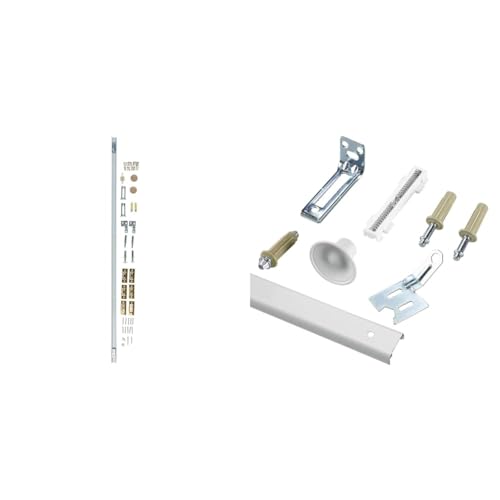
Bi-Fold door hardware set, 48-in & 24-in
National Hardware
Mid-Range
Sliding glass door handle set with mortise hook
PRIME-LINE
Mid-Range
Kwikset Henley Interior Privacy Door Handle (Pack of 2) Satin Nickel
Kwikset
Mid-Range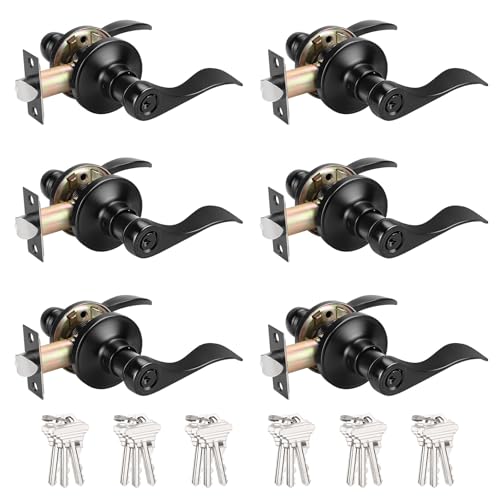
Probrico 6-pack Keyed Alike Entry Door Lockset with Lock and Key
Probrico
Mid-Range
Kwikset Henley Dummy Door Handle, Single Sided Lever for Interiors
Kwikset
Mid-Range
Elite 1000 Metal Access Door (Cam Latch Lock, 22x30)
Linhdor
Premium
Kwikset Henley Interior Passage Door Handle Lever (4-pack) Matte Black
Kwikset
Mid-Range
Kwikset Henley Dummy Door Handle – Single Sided Lever for Closets
Kwikset
Mid-Range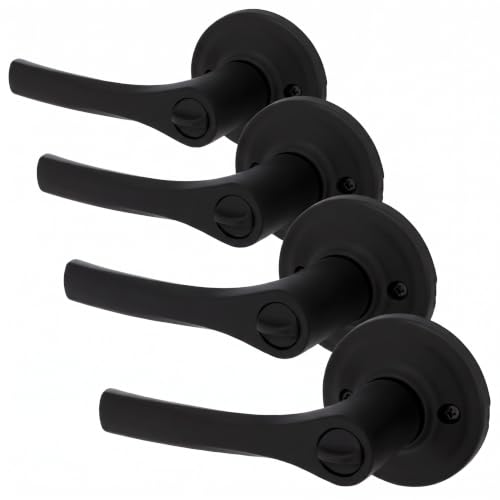
Kwikset Henley interior privacy door handle with lock
Kwikset
Mid-Range
Kwikset Henley Interior Passage Door Handle, Matte Black
Kwikset
Premium
Kwikset Henley Interior Privacy Door Handle with Lock, Matte Black
Kwikset
Premium
Kwikset Henley interior passage door handle, matte black (pack of 10)
Kwikset
Premium
Schlage Encode Deadbolt Smart Lock with WiFi Touchscreen
SCHLAGE
Premium
Schlage Encode Wi‑Fi Smart Lock with Camelot Handleset (Matte Black)
SCHLAGE
Premium
Kwikset Henley Interior Privacy Door Handle with Lock (Matte Black) - 10-pack
Kwikset
PremiumRoundups
Frequently Asked Questions
How do I choose the right type of lock for a residential door?
Match the lock type to the door function: entry doors typically use deadbolts or keyed cylindrical locks for security, interior bedroom/bathroom doors use privacy locks, and passage knobs/lever sets are for non-locking rooms. Check door thickness (usually 1-3/8"–1-3/4") and backset (commonly 2-3/8" or 2-3/4") before buying
What security rating or features should I look for in door locks?
Look for ANSI/BHMA grading (Grade 1 highest for commercial, Grade 2 common for residential security) and features like a solid deadbolt, anti-drill/anti-pick components, reinforced strike plates, and longer throw bolts (1" recommended) to improve resistance to forced entry
Are electronic or smart locks compatible with existing doors and hardware?
Many electronic and smart locks are designed to replace only the interior side of a cylindrical lock or deadbolt and fit standard door preparations, but confirm compatibility with your door thickness, backset, and whether you need Wi‑Fi/Zigbee/Z‑Wave/Bluetooth integration or power source (batteries)
How much should I budget for door hardware and locks?
Prices vary by type and quality: basic interior locks and latch sets can be under $50, residential deadbolts and mid-range smart locks commonly fall in the $75–$250 range, while heavy-duty or commercial-grade hardware can cost more; the category average price is roughly in the low hundreds
What tools and skills are needed to install a standard deadbolt or lever set?
Typical installations require a screwdriver, tape measure, chisel or hole saw (if drilling a new hole), and possibly a drill; many consumers can install common locksets with basic DIY skills by following included templates and instructions, but complex or masonry doors may need a professional
How do I maintain locks to ensure long-term performance?
Keep moving parts lubricated annually with a graphite or silicone-based lubricant (avoid oil-based lubricants that attract dirt), tighten loose screws and hinges, and inspect strike plates and weatherstripping; for electronic locks, check and replace batteries per manufacturer recommendations
Can I rekey an existing lock instead of replacing it, and when is replacement necessary?
Rekeying is a cost-effective option when you want to change who has access without replacing hardware and is possible for many mechanical locks; replace the lock if it is damaged, has compromised security features, or you need a different function (e.g., add electronic access)