Edge Treatment & Grooving Router Bits
Edge Treatment & Grooving Router Bits includes carbide-tipped and solid router cutters for chamfers, bullnose, ogee, V-grooves and slotting in woodworking and cabinetry. The 63 indexed products average a 4.56 rating and span about $33–$100, with brands like SICWOOD represented
Top Products

CNC spoilboard surfacing router bit, 1/4" shank, 1-1/4" cutting diameter
BINSTAK
Budget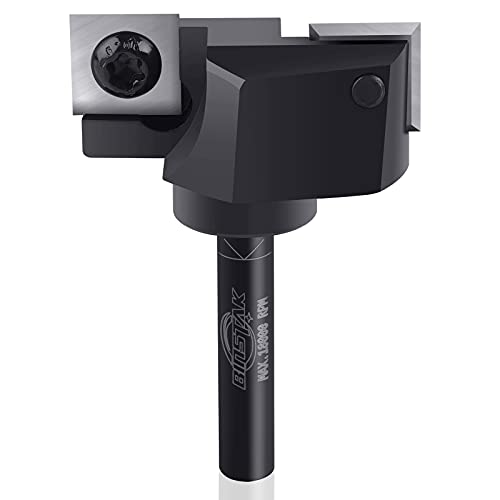
CNC Spoilboard Surfacing Router Bit, 1/4" Shank, 1-1/2" Ø, Carbide Inserts
BINSTAK
Budget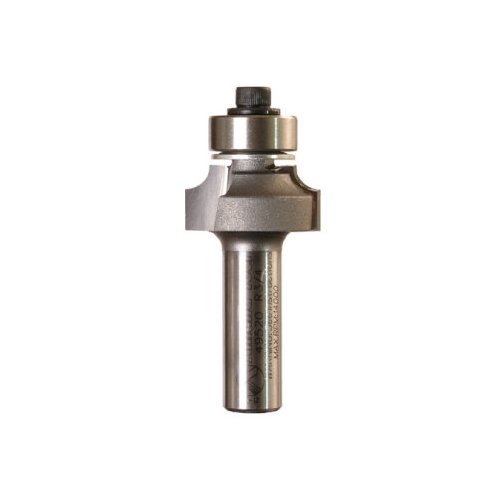
Amana Tool carbide tipped corner round 5/16 radius router bit
Amana Tool
Budget
Tongue & groove router bits set for 3/4" stock, 1/2" shank
Yonico
Budget
MNA 25-piece Router Bit Set (1/2 inch) European edition
MNA
Budget
MNA Router Bit Set 25-Piece 1/4 in European Edition
MNA
Budget
Hiltex Tungsten Carbide Router Bit Set, 24-Piece, 1/4-In Shank
Hiltex
Mid-Range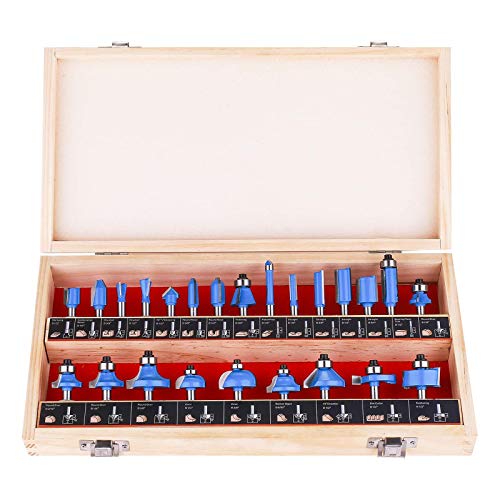
KOWOOD 24-piece Edge Router Bit Set, 1/4
KOWOOD
Budget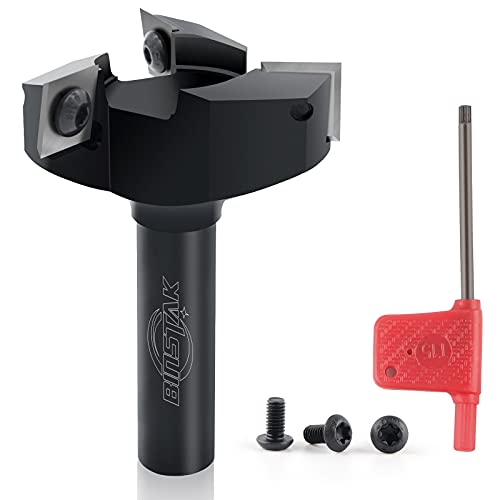
CNC Spoilboard Surfacing Router Bit, 1/2 in Shank, 2 in Cut Diameter
BINSTAK
Mid-Range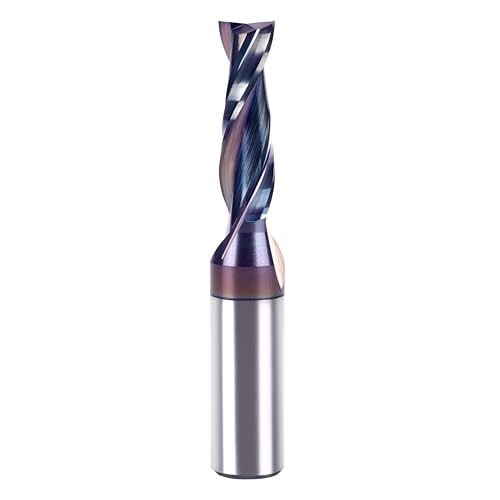
SpeTool Upcut Spiral Router Bit 3/8 in Dia, 1/2 in Shank
SpeTool
Budget
YONICO Tongue & Groove Router Bits 1/4 in
Yonico
Budget
Yonico Tongue & Groove Router Bits Set 1/2-Inch Shank 15229
Yonico
Budget
CNC spoilboard surfacing router bit 1/4" shank 1-3/8" cutting dia
BINSTAK
Mid-Range
Yonico Tongue & Groove Router Bit Set, 1/4-in shank
Yonico
Budget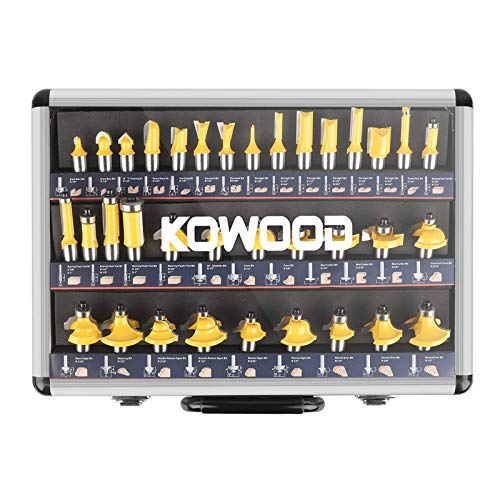
KOWOOD 35-piece Tungsten Carbide Router Bits Set
KOWOOD
Mid-Range
SpeTool Spiral Compression Router Bit 1/2 in shank, 1-1/4 in cutting, 3 in length
SpeTool
Mid-Range
KOWOOD 35-piece 1/4 shank router bit set, T shape wood milling
KOWOOD
Mid-Range
POWERTEC Router Bit Vise Magnetic – 1/4" & 1/2" Shank Holder
POWERTEC
Budget
Newdeli 35-Pc Router Bit Set with Aluminum Case
Newdeli
Mid-Range
CNC spoilboard surfacing router bit, 1/2 in shank, 2-1/2 in dia
BINSTAK
Mid-Range
YONICO Tongue & Groove Router Bits Set (1-1/2 in) 2 Bit
Yonico
Mid-Range
Slab Flattening Router Bit 1/2 shank, 2-3/8" dia, carbide inserts
SICWOOD
Budget
Newdeli 1/2 in Shank Router Bit Set, 35 Pcs
Newdeli
Mid-Range
SpeTool 60° V-Bit 1/4" Shank Carbide End Mill 4-Flute TiAIN 2"
SpeTool
Mid-RangeRoundups
Frequently Asked Questions
How do I choose the right edge treatment or grooving router bit for my woodworking project?
Select bits based on material (hardwood, softwood, plywood, MDF), desired profile (roundover, chamfer, ogee, v-groove, straight), shank diameter that matches your router or collet (commonly 1/4" or 1/2"), and cutter material/coating for durability (carbide-tipped is common for longer life)
What differences should I expect between 1/4" and 1/2" shank router bits?
1/2" shanks provide greater rigidity and less vibration for smoother cuts and longer bit life, especially in large or heavy-duty work; 1/4" shanks are lighter, less expensive, and adequate for lighter-duty trimming and smaller routers
Are carbide-tipped bits worth the extra cost compared with high-speed steel (HSS)?
Carbide-tipped bits hold an edge longer and resist heat better, making them preferable for abrasive materials and frequent use; HSS can be cheaper and resharpened more easily but will dull faster, particularly on engineered woods
How should I maintain and store router bits to extend their life?
Keep bits clean and free of pitch and resin by wiping with a solvent after use, avoid dropping or nicking the cutting edges, store them in a dedicated case or rack to prevent contact damage, and periodically check and tighten screws on multi-part bits
What safety practices should I follow when using grooving and edge treatment bits?
Always secure workpieces with clamps, use appropriate router speed and multiple shallow passes for deep cuts, wear eye and hearing protection, and keep hands clear of the bit while the router is running and until it stops completely
Can I use the same router bit on different materials like hardwood, plywood, and MDF?
Many carbide-tipped bits can be used across hardwood, plywood, and MDF, but expect different wear rates; for abrasive materials or melamine/veneer-faced boards use bits designed to minimize chipping and tear-out
How do I know when a router bit needs to be sharpened or replaced?
Signs include increased tear-out or burning, need for slower feed rates to maintain cut quality, visible nicks on cutting edges, or a rounded edge profile; small carbide-tipped bits can sometimes be professionally sharpened, but replacement is common for heavily damaged bits