Electrical Ballasts
Electrical ballasts for fluorescent and LED retrofit fixtures, including replacement magnetic and electronic units for commercial and residential lighting. The niche lists 12 products averaging a 4.31 rating and mid-range pricing (about $33–$200, avg $76); notable brands include O-NEX
Top Products

Robertson ISL296T12MV 1-2 Lamp T12 Fluorescent Ballast
Robertson Worldwide
Budget
OHLECTRIC replacement ballast for 4xT8 32W, 120-277V
OHLECTRIC
Budget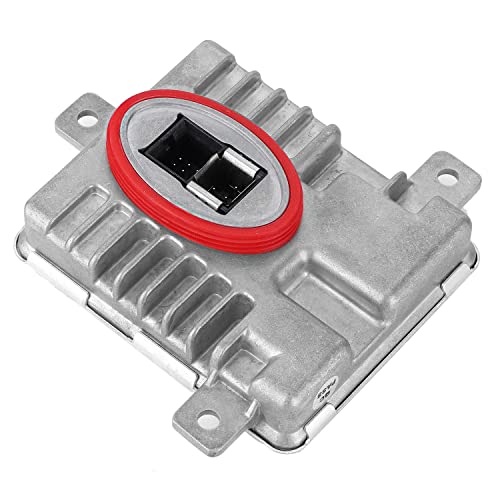
Xenon HID ballast for BMW OEM replacement, plug & play
O-NEX
Budget
O-NEX HID ballast for D1S/D1R replacement
O-NEX
Budget
O-NEX HID Ballast 130732931201 - Direct OEM Replacement Control Unit Module
O-NEX
Mid-Range
O-NEX HID Ballast 8K0941597 Replacement Control Unit
O-NEX
Budget
O-NEX HID Ballast D1S/D3S 35W OEM Direct Replacement
O-NEX
Mid-Range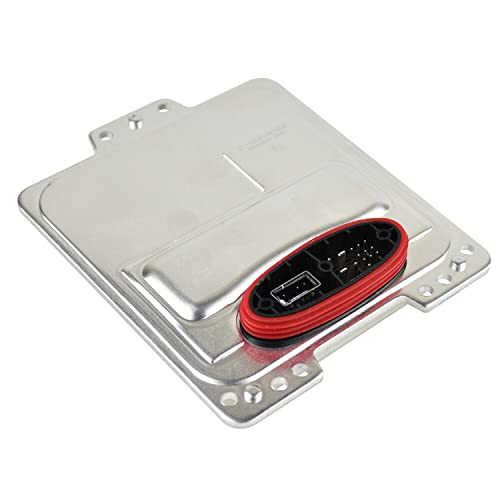
O-NEX Xenon D1S HID Ballast replacement module
O-NEX
Mid-Range
PARMIDA 20-pack LED T8 Ballast Bypass Light Tubes
Parmida LED Technologies
Mid-Range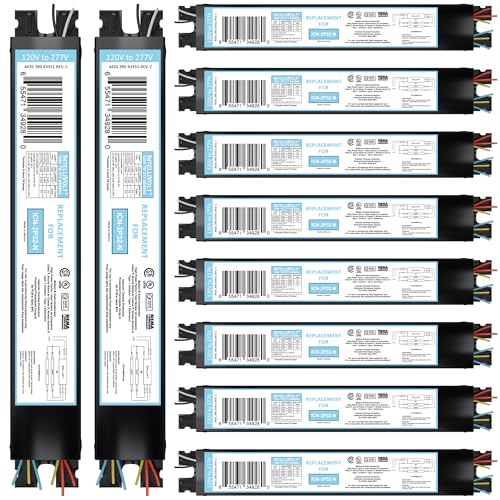
Replacement electronic ballast for T8 120-277V
eLegolight
Premium
Replacement for ICN-4P32-SC T8 Ballast (3 & 4 Lamp) 120-277V
eLegolight
Premium
Replacement for ICN-3P32-SC T8 Electronic Ballast 120-277V
eLegolight
PremiumRoundups
Frequently Asked Questions
How do I choose the right electrical ballast for my fixture?
Match the ballast type to the lamp technology (magnetic for older fluorescent, electronic for most T8/T5 LED-compatible tubes), check lamp wattage and tube count, verify compatible input voltage and mounting form factor, and confirm ballast factor/starting method (rapid start, instant start, programmed start) suits your lamps and application
What factors affect ballast compatibility with LED tube replacements?
Determine whether the LED tube requires a ballast-compatible (plug-and-play), ballast-bypass (direct wire) or universal ballast; confirm the ballast's output type and voltage range; and ensure the ballast supports the tube's length and number of lamps per ballast
What safety and regulatory features should I look for?
Look for UL/ETL or equivalent safety listings, built-in thermal protection and end-of-life shutdown for electronic ballasts, proper grounding provisions, and compliance with local electrical codes and ballast energy efficiency standards
How long do electrical ballasts typically last and how can I extend their life?
Electronic ballasts commonly last 5–15 years depending on use and environment; extending life involves keeping fixtures dry and cool, using proper input voltage and lamps, avoiding frequent on/off cycling, and replacing aging or corroded sockets and wiring
Are there energy or performance differences between magnetic and electronic ballasts?
Yes: electronic ballasts are more energy-efficient, provide higher power factor and quieter operation, and often enable flicker-free starting, while magnetic ballasts are heavier, less efficient and may produce hum and flicker
What should I check when replacing a ballast to ensure proper installation?
Turn off power at the circuit, verify ballast type and wiring diagram, match input voltage and lamp count, use appropriate wire connectors, secure the ballast in the fixture, and test operation before reassembling the fixture
How much can I expect to spend on a ballast and what affects price?
Ballast prices vary widely based on type and features; typical options range from budget models under $50 to higher-end electronic or multi-lamp units over $100, with cost influenced by brand, wattage, certifications and advanced features like dimming or high power factor