Electrical Conduits
Electrical Conduits in Tools & Industrial covers metal and nonmetal conduit, fittings, and connectors for routing and protecting electrical wiring, with options from budget to mid-range price points (avg $109). The indexed selection includes 37 products averaging 4.58 stars; notable brands include Electriduct and Neorexon
Top Products

Sealproof 1/2-Inch Non-Metallic Liquid-Tight Conduit Kit, 50 ft
Sealproof
Mid-Range
Liquid-Tight Conduit Kit 50 ft with 10 connectors
Neorexon
Mid-Range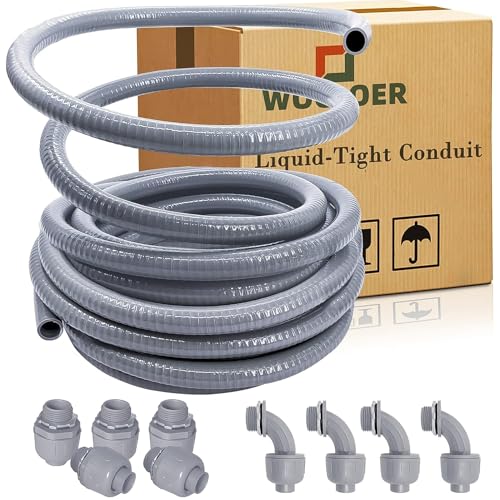
50 ft Liquid-Tight Conduit Kit 1/2 in
Wocloer
Mid-Range
Liquid-Tight Conduit 3/4 in x 50 ft with 5 straight and 5 90-degree fittings
Neorexon
Mid-Range
Dorman flex split wire conduit, 3/8 & 1/2 in, 100 ft each
Dorman
Mid-Range
Sealproof 1/2-Inch Non-Metallic Liquid-Tight Conduit Kit
Sealproof
Mid-Range
Liquid-Tight Conduit 1-1/4 in, 25 ft, gray
Neorexon
Mid-Range
1/2 in Liquid Tight Conduit Kit with 6 straight and 5 angle fittings
Wocloer
Mid-Range
Sealproof 1-1/2in Non-metallic Liquid-Tight Conduit Kit
Sealproof
Mid-Range
1/2" Liquid-Tight PVC Conduit Kit (100 ft) with 10 Connectors
Neorexon
Mid-Range
DWALE 100ft Flexible Liquid-Tight Conduit Kit, 3/4 in
DWALE
Mid-Range
Liquid-tight conduit kit with 50 ft of flexible non-metallic conduit
Wocloer
Mid-Range
TAUROX 1/2-Inch 10 Gauge Liquid Tight Conduit Wire Kit
TAUROX
Mid-Range
Liquid-Tight Conduit 1-1/2 in x25 ft, PVC flexible conduit with 5 straight and 5 90° fittings, gray
Neorexon
Mid-Range
Liquid-Tight Conduit Kit 1/2in 150ft, Flexible Non-Metallic with UL
Neorexon
Mid-Range
Sealproof 3/4" 100 ft flexible non-metallic liquid-tight conduit
Sealproof
Mid-Range
Power Whip Assembly Kit 1/2" x 10ft Non-Metallic Liquid Tight
DWALE
Budget
3/4 in Liquid-Tight Conduit Kit with 6 straight & 5 90° fittings
Wocloer
Mid-Range
Yariwiz 1/2" Dia Liquid Tight PVC Electrical Conduit Kit
yariwiz
Mid-Range
TayMac RLB300 Threaded LB Conduit Body, Die Cast Aluminum
TayMac
Mid-Range
Liquid-Tight Conduit 3/4 in (150 ft) w/ 5 straight & 5 90° fittings
Neorexon
Premium
Electriduct PVC-coated flexible metal conduit 25 ft
Electriduct
Mid-Range
Electriduct 5/8" PVC coated liquid-tight galvanized steel flexible conduit
Electriduct
Mid-Range
Liquid Tight Conduit 3/4in x 100ft Kit with 5 straight & 3 90° fittings
AISIMEE
Mid-RangeRoundups
- Best Electrical Conduits for Solar Wiring (2026)
- Best Electrical Conduits for Hot Tub Wiring (2026)
- Best Electrical Conduits for Outdoor Electrical Installations (2026)
- Best Electrical Conduits Under $200 (2026)
- Best Electrical Conduits Under $100 (2026)
- Best Electrical Conduits Under $50 (2026)
- Best Electrical Conduits (2026 Guide)
Frequently Asked Questions
How do I choose the right conduit type for my electrical project?
Select conduit based on environment and wiring method: PVC for indoor/outdoor non-metallic runs and corrosion resistance, EMT for indoor metallic protection with easier bending, and flexible conduit for vibration or irregular routes; check local electrical code and whether conduit must be rated for wet locations or exposed outdoor use
What size conduit do I need for my cables?
Determine size by summing the cross-sectional areas of the cables and applying conduit fill rules (typically 40% fill for more than two conductors or 53% for one conductor in some codes); consult conduit fill tables or a qualified electrician to match cable gauges and number to conduit trade sizes
What materials and corrosion ratings should I look for in industrial settings?
Choose materials rated for the environment: galvanized steel or stainless steel for chemical or high-temperature exposure, PVC-coated or PVC conduit for corrosive or wet conditions, and check manufacturer specifications for UV, chemical, and temperature ratings applicable to your site
How do I measure and prepare conduit for bending and installation?
Measure run length including offsets and bends, use conduit bending charts to calculate bend degrees and take-up, allow extra length for fittings and connectors, and use the proper bender for the conduit type (manual for EMT, hydraulic or rotary for larger metal conduits)
What fittings and accessories are essential for a compliant installation?
Essential items include appropriate couplings, connectors, locknuts, bushings, straps/clamps, and junction boxes sized for conductor fill; ensure fittings are compatible with conduit material and rated for the location (e.g., wet-rated connectors for outdoor or underground use)
How should I maintain and inspect conduit runs over time?
Inspect periodically for physical damage, corrosion, moisture ingress, loose fittings, and strain on connections; clean and re-seal joints where needed, replace damaged sections, and verify that bends and supports remain within code spacing and load limits
What price range should I expect for conduit products and tools in this category?
Conduit components and smaller fittings can be found in lower budget tiers under $50, while complete conduit runs, heavier-gauge metallic conduit, and specialized tools or industrial-grade assemblies commonly range higher; average product prices in this category tend to be around the low hundreds of dollars