Fabrics, Fibers & Textiles Raw Materials
This category covers raw materials for fabrics, fibers, and textiles used in industrial and tooling applications—geotextiles, nonwovens, and reinforcement mats among them. Fourteen products are indexed with an average rating of 4.49 and mid-range prices (about $33–$260); notable brands include Super Geotextile
Top Products

Woven Geotextile Fabric for Driveways and Roads
Super Geotextile
Mid-Range
Woven geotextile fabric for driveway stabilization (4x100)
Super Geotextile
Mid-Range
Woven Geotextile Fabric for Driveways & Roads (15x30)
Super Geotextile
Mid-Range
Woven geotextile fabric for driveway and road stabilization
Super Geotextile
Premium
Woven Geotextile Fabric for Driveway Stabilization (17.5x30)
Super Geotextile
Mid-Range
Woven geotextile fabric for driveway and road stabilization (6x100)
Super Geotextile
Mid-Range
Premium 17.7" Cane Webbing Roll - 100% Natural Rattan
HomeVie
Budget
Upgraded Light Yellow Cane Webbing Roll 17.7" Wide
HomeVie
Budget
Woven geotextile fabric for driveways and road stabilization
Super Geotextile
Premium
Woven geotextile fabric for road stabilization 20x60
Super Geotextile
Premium
Woven Geotextile Fabric for Driveway & Road Stabilization (17.5x60) Folded
Super Geotextile
Premium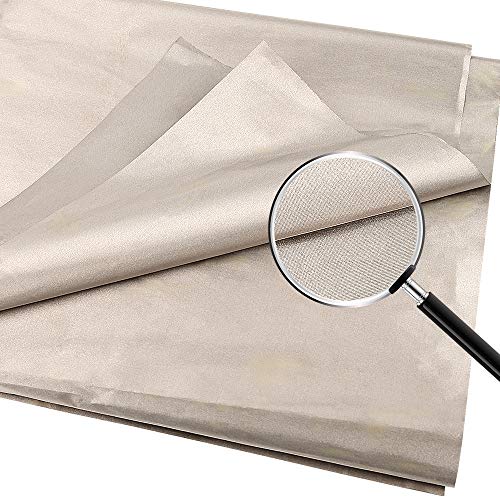
Faraday shielding fabric 44in x 18ft, EMI/RF/ RFID protection
GOODEN ATIM
Mid-Range
Woven geotextile fabric for driveway stabilization 6x250
Super Geotextile
Premium
Woven Geotextile Fabric for Driveways & Road Stabilization (17.5x100)
Super Geotextile
PremiumRoundups
- Best Fabrics, Fibers & Textiles Raw Materials Under $50 (2026)
- Best Fabrics, Fibers & Textiles Raw Materials for Erosion Control (2026)
- Best Fabrics, Fibers & Textiles Raw Materials for Road Stabilization (2026)
- Best Fabrics, Fibers & Textiles Raw Materials for Driveway Stabilization (2026)
- Best Fabrics, Fibers & Textiles Raw Materials Under $200 (2026)
- Best Fabrics, Fibers & Textiles Raw Materials Under $100 (2026)
- Best Fabrics, Fibers & Textiles Raw Materials (2026 Guide)
Frequently Asked Questions
How do I choose the right raw fabric or fiber material for an industrial application?
Match the material's mechanical and chemical properties to your application: tensile strength, elongation, abrasion resistance, UV and chemical resistance, and thermal stability. Consider planned processing (weaving, cutting, laminating), required certifications (e.g., fire retardant, food contact), and whether natural or synthetic fibers better suit durability and cost needs
What specifications should I check on technical datasheets before buying?
Look for weight (gsm or oz/yd²), tensile strength, elongation at break, tear resistance, porosity or permeability, thickness, temperature range, and any standardized test results (ASTM, ISO). Also verify roll width/length and coating or finish details relevant to your process
How do I assess cost-effectiveness and budget for raw textile materials?
Compare unit prices per square meter or per kilogram and factor in yield (usable area after cutting), expected lifespan, maintenance, and processing costs. For this category, options range from budget materials under $50 to specialty industrial textiles that can cost several hundred dollars per roll; choose based on required performance, not only upfront price
What are common care and storage recommendations for raw fabrics and fibers?
Store rolls in a dry, temperature-stable environment away from direct sunlight and chemicals; keep off concrete floors and use protective wrapping to prevent dust and moisture. Handle with clean gloves to avoid contamination and follow supplier instructions for cutting, washing, or curing to preserve properties
How do coatings and finishes affect performance and processing?
Coatings (PVC, PU, PTFE) and finishes (waterproofing, flame retardant, anti-static) change surface properties, durability, flexibility, and adhesion characteristics; some complicate welding, sewing, or lamination. Choose coatings that meet end-use requirements and confirm compatibility with your fabrication methods
What safety and environmental considerations should I be aware of?
Check for hazardous additives (plasticizers, flame retardants) and ensure compliance with relevant regulations (REACH, RoHS, or local standards). Use appropriate PPE when cutting or sanding fibers that release dust or fumes and consider recyclability or disposal options for offcuts
How can I verify quality and consistency across multiple rolls or batches?
Request batch certificates, lab test reports, or sample swatches to check specified properties; inspect roll dimensions, color uniformity, and surface defects on delivery. For large orders, ask about lot traceability and tolerance ranges for critical parameters