Fire Extinguishers
Fire extinguishers for residential, vehicle, and industrial use including ABC, CO2, and specialty units; mid-range pricing (about $33–$200, avg $63) across brands such as Kidde and First Alert. 74 products indexed with an average rating of 4.65
Top Products

DHOME1 Rechargeable Fire Extinguisher, 1-A:10-B:C, Pewter
First Alert
Budget
First Alert home fire extinguisher, UL 1-A:10-B:C, red with metal bracket
First Alert
Budget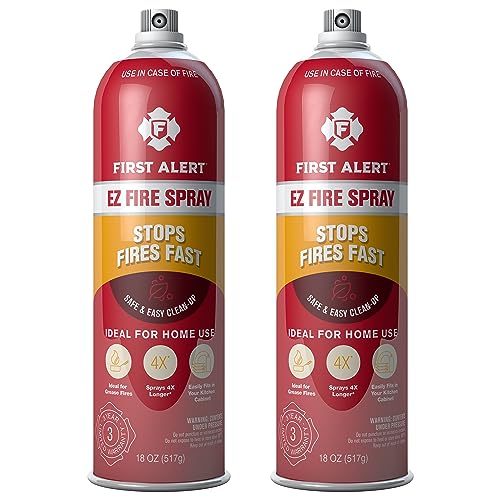
EZ Fire Spray Extinguisher (Pack of 2) AF400-2, red
First Alert
Budget
Marine1 Fire Extinguisher with metal bracket
First Alert
Budget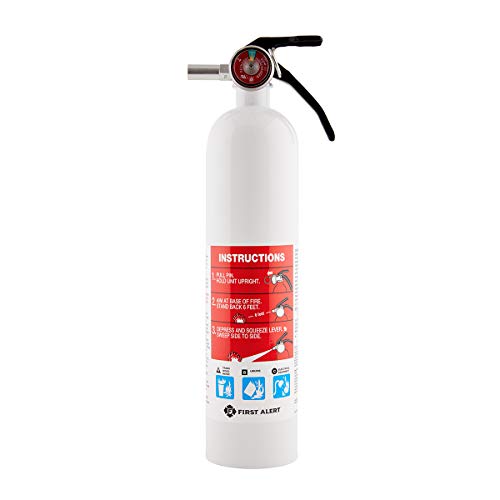
First Alert Marine Fire Extinguisher FE1A10GR, 14"
First Alert
Budget
Kidde 2-pack Multi-Purpose Fire Extinguisher 1A10BC
Kidde
Mid-Range
First Alert marine fire extinguisher FE5R-PWCNA
First Alert
Budget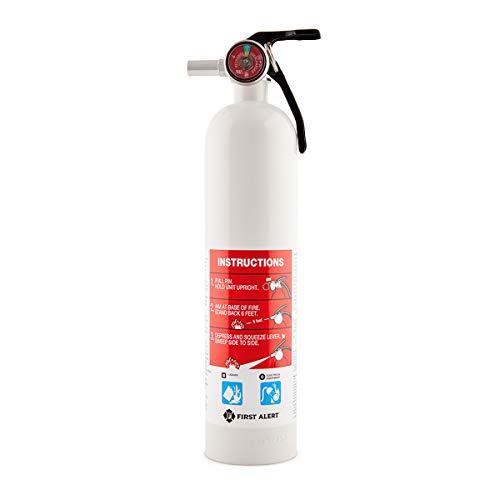
First Alert Car & Marine Fire Extinguisher FE10GR
First Alert
Budget
Kidde marine fire extinguisher 1A10BC, single-use
Kidde
Budget
FIRST ALERT PRO5 Rechargeable Fire Extinguisher
FIRST ALERT
Mid-Range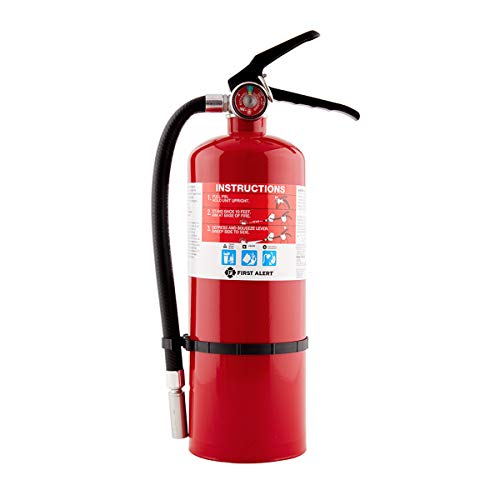
First Alert home and commercial fire extinguisher
First Alert
Mid-Range
Kidde Boat Fire Extinguisher 2A10BC
Kidde
Mid-Range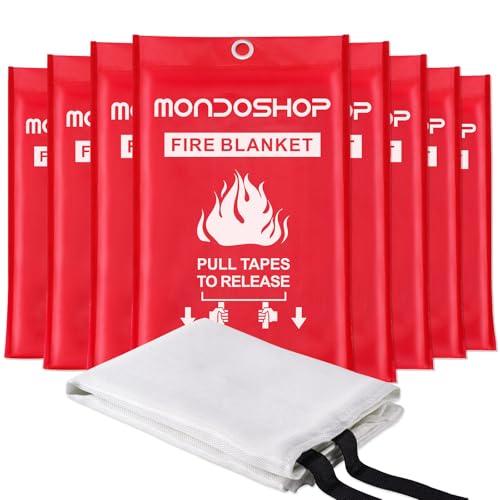
Emergency fire blanket for camping and home safety
Mondoshop
Mid-Range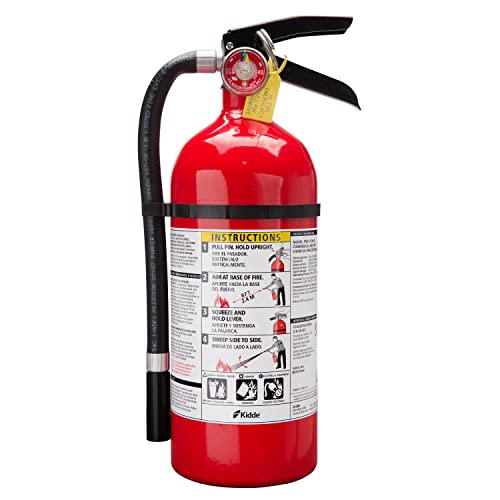
Kidde Pro 210 2A:10-B:C Fire Extinguisher, 4 lb
Kidde
Mid-Range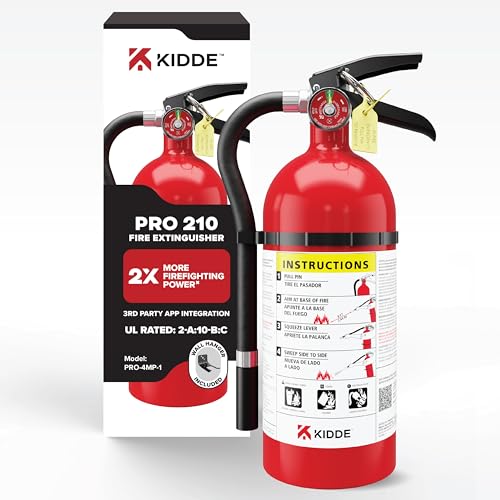
Kidde commercial-grade fire extinguisher for offices and schools
Kidde
Mid-Range
First Alert PRO10 Rechargeable Fire Extinguisher, 4-A:60-B:C
FIRST ALERT
Mid-Range
Kidde 2-Pack Kitchen Fire Extinguishers with Wall Mount Brackets
Kidde
Mid-Range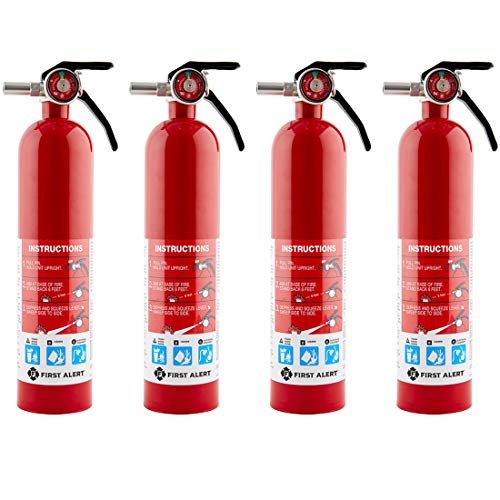
First Alert Home Fire Extinguisher 1-A:10-B:C standard rechargeable
FIRST ALERT
Mid-Range
Kidde Car & Truck Fire Extinguisher 5-B:C, 3.2 Lb
Kidde
Mid-Range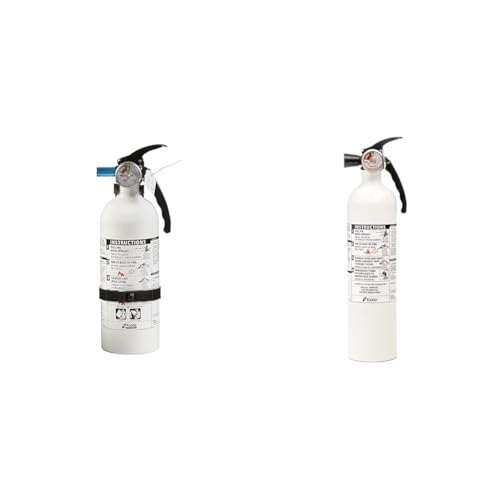
Kidde Car & Truck Fire Extinguisher 5-B:C, 3.2 Lbs, Dry Chem, Wall Mount
Kidde
Mid-Range
Ougist 2.5 lb fire extinguisher, 1-A:10-B:C, dry chemical
Ougist
Budget
DIBBATU Fireproof Cloak for emergency fire safety
DIBBATU
Mid-Range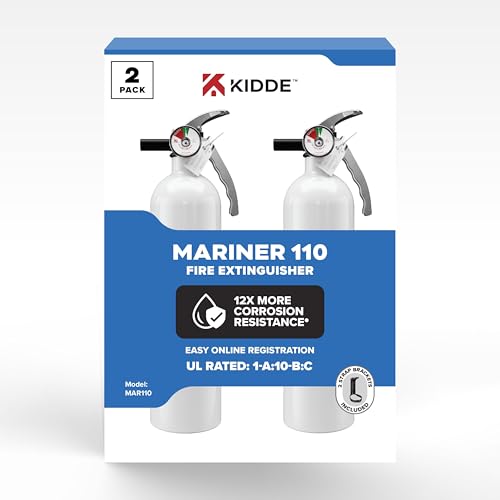
Kidde Boat Fire Extinguisher 1A10BC, 2 Pack
Kidde
Mid-Range
Prepared Hero mini fire extinguisher set (2-pack) for home and car
Prepared Hero
Mid-RangeRoundups
Frequently Asked Questions
Which type and extinguisher rating should I choose for my home or workplace?
Select an extinguisher based on the classes of fire you may encounter: Class A (ordinary combustibles), B (flammable liquids), C (electrical), and multipurpose ABC for mixed risks; check the numerical rating (e.g., 2A:10B:C) to match fire size—higher numbers indicate greater extinguishing capacity
How large should a fire extinguisher be and how many do I need?
For most homes, a 2.5–10 lb ABC extinguisher is typical; workplaces require placement so that no employee is more than 30–75 feet from an extinguisher depending on hazard classification—consult local fire codes for exact coverage and minimum counts
What features and certifications should I look for when comparing brands and models?
Look for UL/ULC or equivalent third‑party certification, a clearly labeled fire class/rating, a pressure gauge or squeeze gauge indicator, a tamper seal, and instructions; consider mounting brackets, hose/nozzle type, and weight for usability
How much should I expect to pay and are there budget-friendly options?
Residential and small commercial extinguishers commonly range from under $50 for basic small units to a couple hundred dollars for larger or specialty types; budget options are available, but ensure they carry proper certification and an appropriate rating for your needs
What maintenance and inspection steps are required to keep an extinguisher ready?
Perform monthly visual checks for pressure gauge in range, physical damage, corrosion, nozzle obstruction, and intact tamper seal; have annual professional inspections and periodic maintenance or hydrostatic testing per label and local regulations (typically every 5–12 years depending on type)
Can I use a home fire extinguisher on grease or electrical fires?
Use a Class K extinguisher for commercial cooking grease fires; for small kitchen grease fires at home, a Class ABC can work for early-stage fires but using baking soda or covering the pan is often safer—do not use water on grease fires; Class C-rated extinguishers are appropriate for energized electrical fires
What are the differences between stored-pressure and cartridge-operated extinguishers?
Stored‑pressure extinguishers keep propellant and agent in the same cylinder and are common for general use; cartridge‑operated units separate propellant in a cartridge and are often used for larger-capacity or industrial applications, offering faster discharge and easier servicing in some contexts