Flooring Underlayments
Flooring underlayments include acoustic, moisture-barrier, and cushioning layers for laminate, engineered wood, and vinyl installations, sold in rolls and panels. The category spans budget through mid-range options with about 20 products indexed and an average rating of 4.54. Top brands include Quiet Walk among others
Top Products

QuietWalk LV 50 Underlayment for LVP, Laminate & Engineered Wood
Quiet Walk
Budget
BlueStep Underlayment with Moisture Barrier for Laminate and Wood Floors
Floorlot
Mid-Range
QuietWalk Underlayment for Laminate & Hardwood
Quiet Walk
Mid-Range
Waterproofing membrane fabric for seams and joints
Yaxtida
Mid-Range
Waterproofing membrane fabric with anti-fracture mesh for showers
Yaxtida
Mid-Range
QuietWalk Underlayment for Laminate & Hardwood
Quiet Walk
Mid-Range
QuietWalk LV Luxury Vinyl Underlayment (100 sq ft)
Quiet Walk
Mid-Range
QuietWalk LV 200 underlayment for flooring
Quiet Walk
Mid-Range
Professional Waterproof Membrane for Shower, 3.3 ft x 33 ft
Kauwm
Mid-Range
Waterproof membrane for showers, 323 sq ft, 23.6 mils
Kauwm
Mid-Range
QuietWalk LV 300 Premium Underlayment for LVP/laminate/engineered wood
Quiet Walk
Premium
Waterproof Membrane Shower Underlayment 3.3 ft x 98.5 ft
Seamaka
Mid-Range
QuietWalk Underlayment for Laminate & Hardwood
Quiet Walk
Premium
AMERIQUE 1.5mm Premium Flooring Padding 3-in-1 Underlayment Blue
AMERIQUE
Mid-Range
Houseables Tile Underlayment Membrane – 54.5 sq ft
Houseables
Mid-Range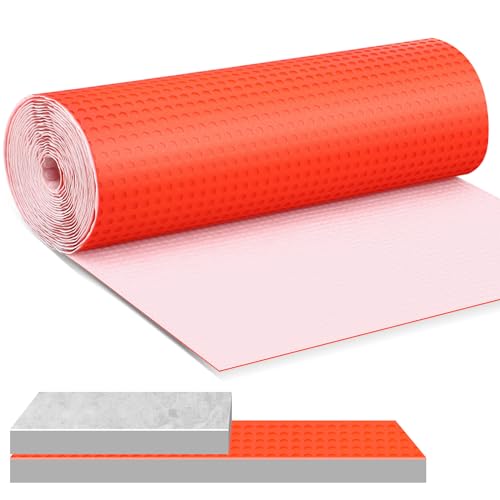
108 Sqft Uncoupling Membrane for Tile 3mm Thick
Drydiet
Premium
Uncoupling Membrane Tile Underlayment 1/8" x 3.3 ft x 46.2 ft
Houseables
Premium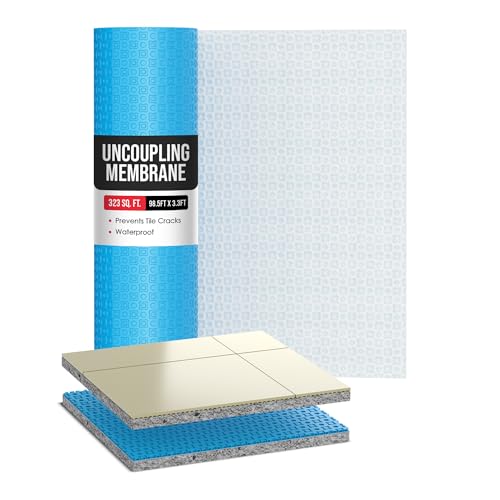
Houseables uncoupling membrane for tile underlayment
Houseables
Premium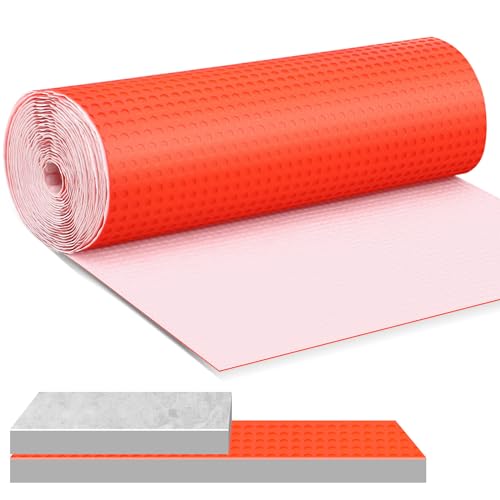
215 Sqft uncoupling membrane for tile, 3mm thick
Drydiet
Premium
Uncoupling membrane for tile 323 sq ft (3 mm) orange
Drydiet
PremiumRoundups
Frequently Asked Questions
How do I choose the right underlayment for my type of flooring?
Match underlayment material and thickness to your floor type and subfloor: foam or felt for laminate, cork or rubber for engineered hardwood, and specialized moisture-barrier underlayments for vinyl. Check manufacturer recommendations for required R-value, sound reduction, and whether a vapor or sound barrier is needed
Do I need an underlayment for floating floors and glued floors?
Floating floors typically require underlayment to provide cushioning, moisture protection, and sound control; glued floors sometimes require a cementitious or non-compressible underlayment layer specified by the flooring manufacturer. Always follow the flooring maker’s installation guidelines to ensure warranty and performance
How does underlayment affect sound reduction and insulation?
Underlayment materials have different impact insulation class (IIC) and sound transmission class (STC) characteristics; denser materials like rubber or thick cork provide better impact noise reduction, while foam offers moderate sound control and increased thermal comfort. Look for published IIC/STC or decibel reduction values when sound performance is a priority
What should I consider about moisture and vapor when selecting underlayment?
For installations over concrete or in moisture-prone areas, choose underlayment with an integrated vapor barrier or add a separate vapor retarder to prevent moisture migration. Check the subfloor's moisture levels and use products rated for high humidity or slab-on-grade installations
How much does underlayment typically cost and how do I budget for it?
Underlayment prices vary by material and performance, with budget options often under $50 and higher-performance sound- or moisture-resistant products in higher price tiers; category averages commonly fall around the low hundreds. Factor in coverage area (square footage) and any specialty features when estimating total cost
Can I install underlayment myself, and what tools do I need?
Many underlayments are designed for DIY installation and require basic tools: utility knife, tape measure, straightedge, seam tape, and possibly a roller for adhesive products; certain cementitious or leveling underlayments may require professional installation. Follow the product instructions for surface prep, overlap/seam treatment, and acclimation
How long does underlayment last and does it need maintenance?
Underlayment is generally designed to last as long as the flooring above it and requires no routine maintenance; however, moisture damage, compression, or punctures may necessitate replacement. Protect it during installation, avoid point loads from heavy appliances without proper support, and address subfloor moisture issues promptly