Forklifts
This category covers industrial and material-handling forklifts and related equipment, including electric and gas-powered models, parts, and accessories. The 21 indexed products average a 4.30 rating and range from budget to mid-range prices (about $59–$428); listed brands include VEVOR and YITAMOTOR
Top Products

Universal forklift lock-off VFF30 IMPCO for fuel control
Hacus
Mid-Range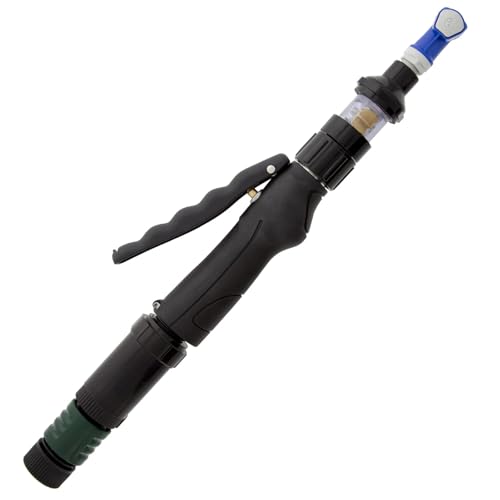
Direct Fill Link for forklifts
Battery Watering Technologies
Mid-Range
Forklift Safety Cage 36x36 in Heavy Duty Work Platform
Atatod
Premium
VEVOR Fork Extensions, 82 in x 4.5 in, 1 Pair with Pins
VEVOR
Premium
Forklift Rain Cover 57" L x 47" W x 52" H, universal fit
CHENGNAN
Premium
VEVOR Forklift Extensions, 72 Inch Pair, 4.5 Inch Width
VEVOR
Mid-Range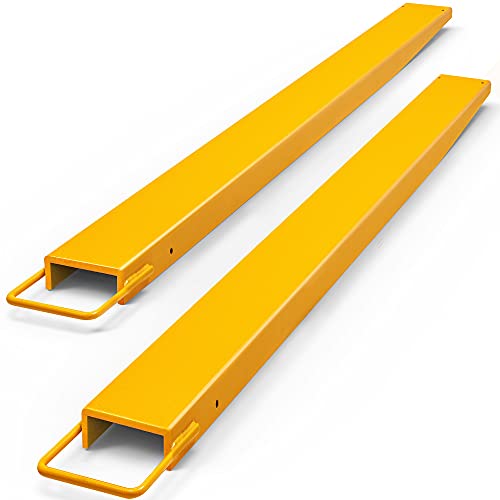
Forklift pallet fork extensions for 4.5" forks
YITAMOTOR
Premium
Forklift rain cover with canopy for up to 6000 lb
CHENGNAN
Premium
BestEquip 72 in Fork Extensions for Forklift Trucks
BestEquip
Premium
BENVOL Universal Forklift Cover — All-Weather EVA Material
BENVOL
Premium
VEVOR Forklift Extensions, 96 Inch Pallet Fork Extensions
VEVOR
Premium
VEVOR Forklift Safety Cage, 1200 lbs, 36x36 in
VEVOR
Premium
VEVOR Forklift Safety Cage, 36x36 in Foldable Platform
VEVOR
Premium
YITAMOTOR Forklift Safety Cage 36x36, 1200lbs Work Platform
YITAMOTOR
Premium
VEVOR Forklift Extensions, 96 Inch Pallet Fork Extensions
VEVOR
Premium
VEVOR Forklift Extensions, 96 in, 4.5 in width
VEVOR
Premium
VEVOR Forklift Extensions, 72 Inch Pair with 5.5 Inch Width
VEVOR
Premium
Flame King 33.5lb Aluminum Forklift Propane Tank with Gauge
Flame King
Premium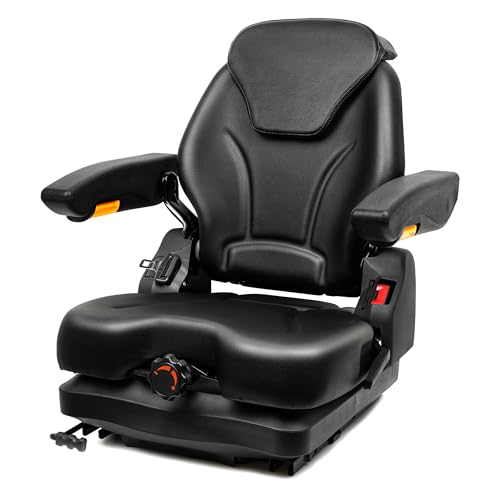
Tractor suspension seat with fold-down fork attachment
TICSEA
Premium
VEVOR Forklift Safety Cage with 1400 lbs capacity
VEVOR
Premium
Forklift safety cage 43x45 in, 1400 lbs capacity, yellow
YITAMOTOR
PremiumRoundups
Frequently Asked Questions
What types of forklifts are available and which should I choose for my operation?
Common types include counterbalance (general warehouse use), reach trucks (narrow aisles and high stacking), pallet jacks (low-lift pallet handling), and rough-terrain forklifts (outdoor, uneven ground). Choose based on load weight, lift height, aisle width, and indoor vs outdoor use
How do I determine the right capacity and lift height for a forklift?
Select a forklift with a rated capacity higher than your heaviest typical load and a maximum lift height that exceeds your highest storage level; consult the load center specification to ensure capacity at the needed lift height
What power options exist and how do they affect operating costs and use cases?
Forklifts are commonly powered by electric batteries, LPG/propane, or diesel. Electric models have lower onsite emissions and quieter operation suited for indoor use, while LPG and diesel provide longer runtimes and higher torque for heavy outdoor work; consider fueling infrastructure and maintenance needs
What key features and attachments should I look for?
Important features include stability systems, adjustable forks, lift speed controls, and operator ergonomics; common attachments are side shifters, fork positioners, rotators, and clamps—choose attachments that match your load type and handling requirements
What are the typical upfront and ongoing costs to budget for?
Upfront costs vary widely by type and capacity; across small tools and industrial listings prices can range from budget models to higher-capacity units. Ongoing costs include fuel or electricity, battery replacement for electrics, tires, routine maintenance, and operator training
What maintenance and inspection practices are essential for safe operation?
Perform daily pre-shift inspections (brakes, forks, tires, fluid levels, gauges), follow manufacturer-recommended service intervals, keep batteries or fuel systems maintained, and document inspections and repairs to ensure safety and longevity
What certifications or operator requirements should I consider before purchase?
Operators typically need site-specific training and a forklift operator certification or license per local regulations; ensure your workforce is trained on the specific forklift type and that you maintain training records and compliance with workplace safety rules