Fume & Smoke Extractors
Fume & Smoke Extractors include portable and benchtop filtration units designed to remove soldering, welding, and laboratory fumes from workspaces. The category spans budget to mid-range options (about $40–$419, average ~(price varies)) and features brands such as M-T and Fumeclear
Top Products
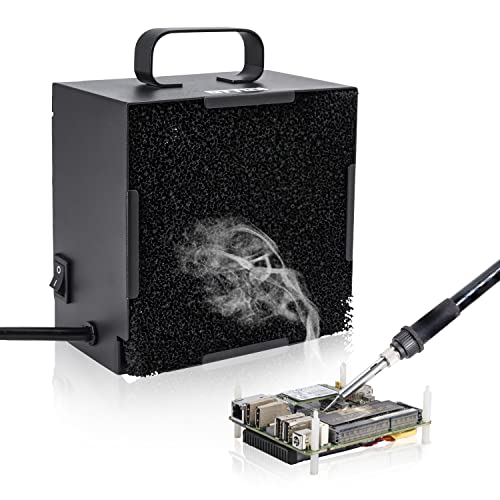
Solder Fume Absorber / Smoke Extractor
KOTTO
Mid-Range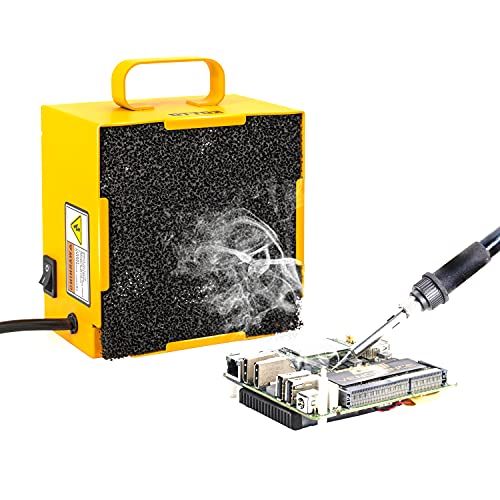
Solder Fume Extractor with Activated Carbon Filter
Fstop Labs
Mid-Range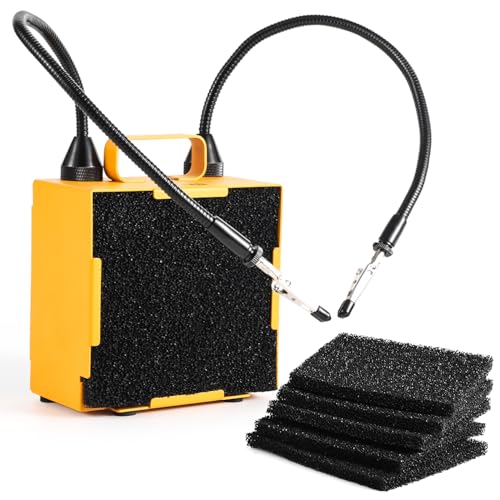
KOTTO Solder Fume Extractor with Magnetic Helpers
Fstop Labs
Mid-Range
Solder Smoke Absorber Fume Extractor with 60W Suction
Kulannder
Mid-Range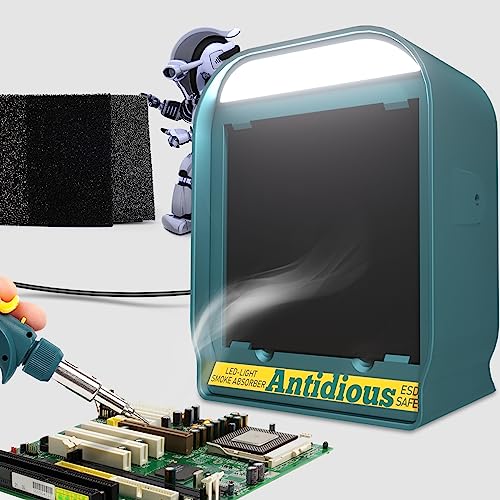
Antidious portable fume extractor with LED light
Antidious
Mid-Range
SainSmart Portable Fume Extractor with LED Lights & Gooseneck
SainSmart
Mid-Range
Hakko FA400-04 Smoke Absorber
American Hakko Products, Inc
Mid-Range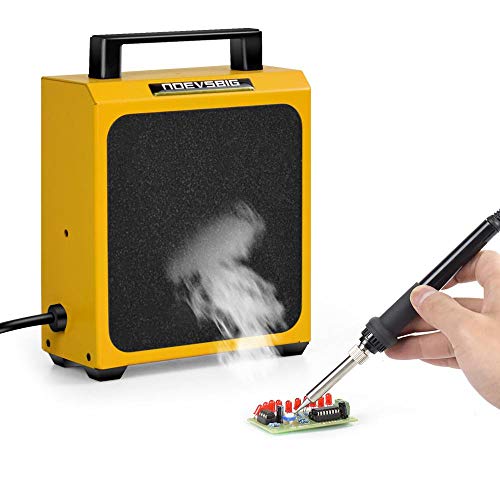
Solder fume extractor with copper motor and metal enclosure
NOEVSBIG
Mid-Range
Solder Fume Extractor with HEPA & carbon filter
Bluedate
Mid-Range
M-T Solder Fume Extractor 80W 168 m3/h with HEPA & Carbon
M-T
Mid-Range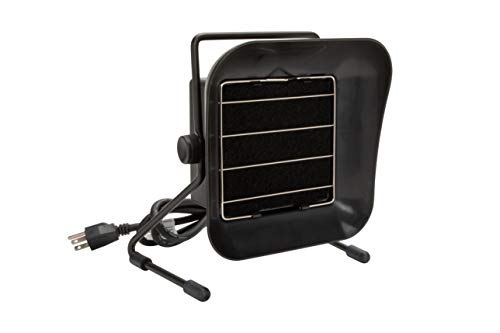
Weller 120v Bench Top Smoke Absorber (WSA350)
WELLER
Mid-Range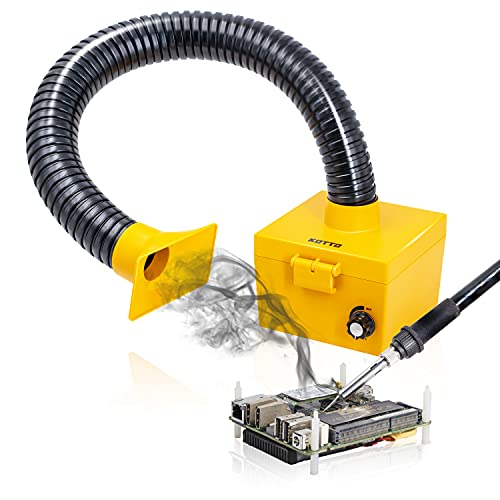
KOTTO Strong Soldering Fume Extractor with 24in Hose
KOTTO
Mid-Range
FumeClear FC-2001S Solder Fume Extractor, 3-stage filtration
FumeClear
Mid-Range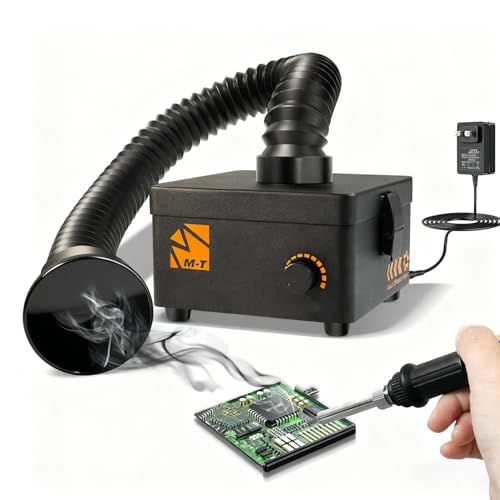
M-T Solder Fume Extractor 80W, 168 m3/h with HEPA & Carbon
M-T
Mid-Range
Solder Fume Extractor with Strong Suction
KOONE
Mid-Range
FumeClear FC2002 replacement filter set for FC2002A fume extractor
FUMECLEAR
Mid-Range
HEPA Solder Fume Extractor with HEPA + carbon filter
Bluedate
Mid-Range
FumeClear FC2001A Solder Fume Extractor
FumeClear
Premium
Solder fume extractor with LED light and adjustable suction
Treedix
Mid-Range
Sovol Solder Fume Extractor with 3-stage filtration
Sovol
Premium
FumeClear FC-100A Fume Extractor
FUMECLEAR
Premium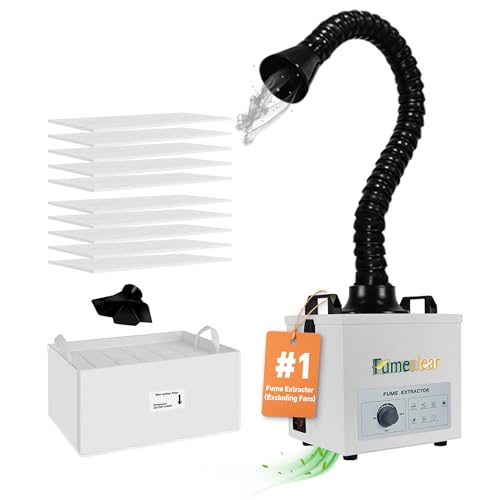
FumeClear Solder Fume Extractor FC100A
Fumeclear
Premium
xTool F1 Desktop Smoke Air Purifier for F1 Laser Engraver
xTool
Premium
FumeClear FC-2002 Solder Fume Extractor for Laser Engravers
Fumeclear
PremiumRoundups
Frequently Asked Questions
How do I choose the right fume or smoke extractor for my workspace?
Match airflow (CFM) and filtration type to your tasks: higher CFM for larger areas or heavy smoke, and HEPA plus activated carbon filters for particle and odor/chemical removal. Also consider portability, mounting options, noise level, and whether you need local capture (flexible arm) or whole-room ventilation
What filter types should I look for and how often do they need replacing?
Common filters are pre-filters for large particles, HEPA for fine particulates, and activated carbon for gases and odors; some units use specialized chemical or composite cartridges. Replacement frequency depends on use and pollutant load but typically ranges from 3–12 months for pre-filters and 6–24 months for HEPA/carbon under normal light-to-moderate use
Are portable benchtop extractors sufficient for soldering, 3D printing, or industrial welding?
Portable benchtop extractors with a local capture arm and HEPA+carbon filtration are generally sufficient for soldering and hobby 3D printing; industrial welding or high-volume fume sources may require higher-capacity units, fume hoods, or integration into facility exhaust systems to meet ventilation needs
What safety certifications or specifications should I check?
Look for compliance or ratings relevant to your region and application, such as HEPA efficiency ratings (e.g., H13/H14 standards), electrical safety markings (CE, UL, or equivalent), and manufacturer performance data like CADR or airflow (CFM). These help verify filtration effectiveness and electrical safety
How noisy are fume and smoke extractors, and how do I compare noise levels?
Noise varies by model and fan speed; many units list decibel (dB) ratings often between roughly 40–70 dB. Compare stated dB levels at similar operating points and consider units with multiple speed settings or sound-dampening features for quieter operation
What maintenance is required besides filter replacement?
Regular tasks include inspecting and cleaning intake grilles and capture arms, checking seals and gaskets, vacuuming or wiping accessible surfaces to remove dust buildup, and verifying fan operation and airflow; follow the manufacturer's maintenance schedule for safety and performance
How much should I expect to pay and what affects price?
Prices cover a wide range—from lower-cost benchtop models to higher-capacity or industrial systems—so expect options from budget units under $100 up to several hundred dollars for more capable extractors; factors affecting price include airflow capacity, filter technology, build quality, and brand features like articulated arms or noise control