Gas Detectors & Alarms
Gas Detectors & Alarms in Tools & Industrial covers portable and fixed sensors for combustible gases, toxic gases (CO, H2S), and multi-gas monitors used in worksite safety and diagnostics. The 63 indexed products average a 4.55 rating and range from budget to professional tiers, with brands like Airthings and Leakbee represented
Top Products

4-in-1 gas & CO detector with temp & humidity (plug-in, dual sensors) – NICGOL
NICGOL
Mid-Range
PT520A natural gas detector with 17-inch gooseneck
TOPTES
Mid-Range
Safe T Alert 20 Series Mini LP Gas Alarm, RV Propane Alarm
Safe T Alert
Mid-Range
RV 2-in-1 CO/LP Detector replacement for old RV detector
VITITE
Mid-Range
RV 2-in-1 CO & Propane Detector (R503) for RVs
Leakbee
Mid-Range
5-in-1 CO & gas detector with display
Vilfet
Mid-Range
RV dual LP/CO alarm for 12 VDC with separate LEDs
briidea
Mid-Range
Safe T Alert Dual LP/CO Alarm - Flush Mount
Safe T Alert
Mid-Range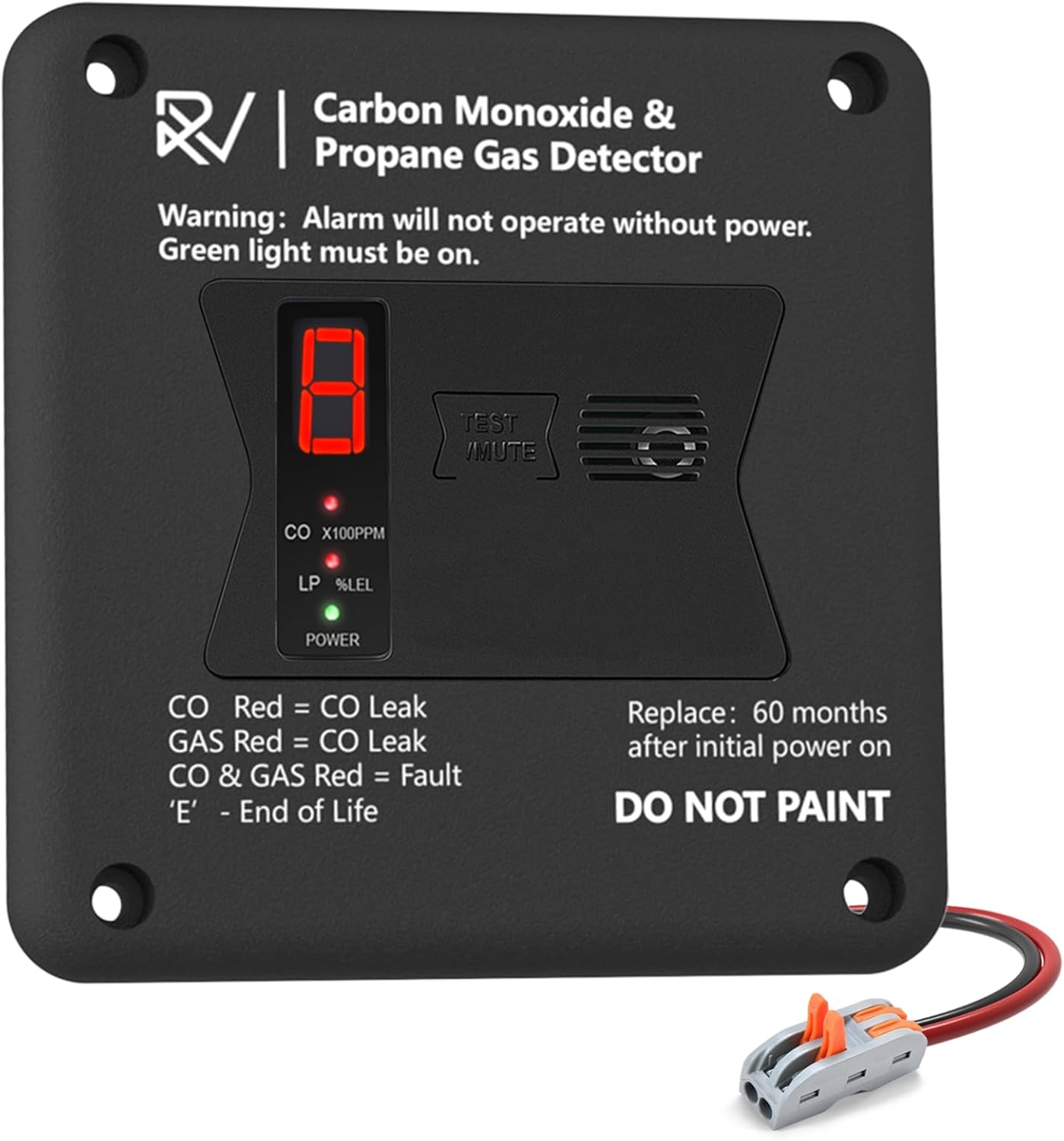
RV 2-in-1 CO and Propane Detector (R503) 12V DC
Leakbee
Mid-Range
5-in-1 CO and gas detector with display
Vilfet
Mid-Range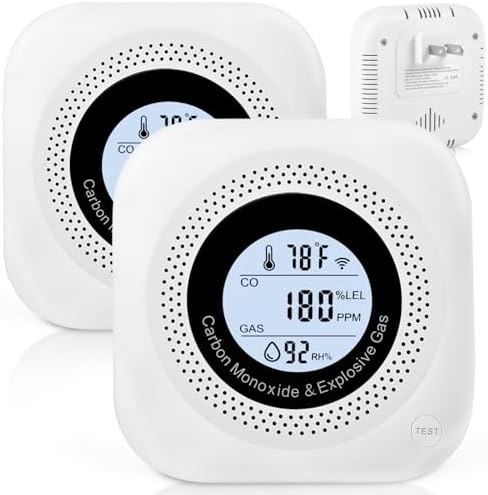
Carbon Monoxide and Gas Leak Detector, 2-Pack, 4-in-1 with temp & humidity
Daffypop
Mid-Range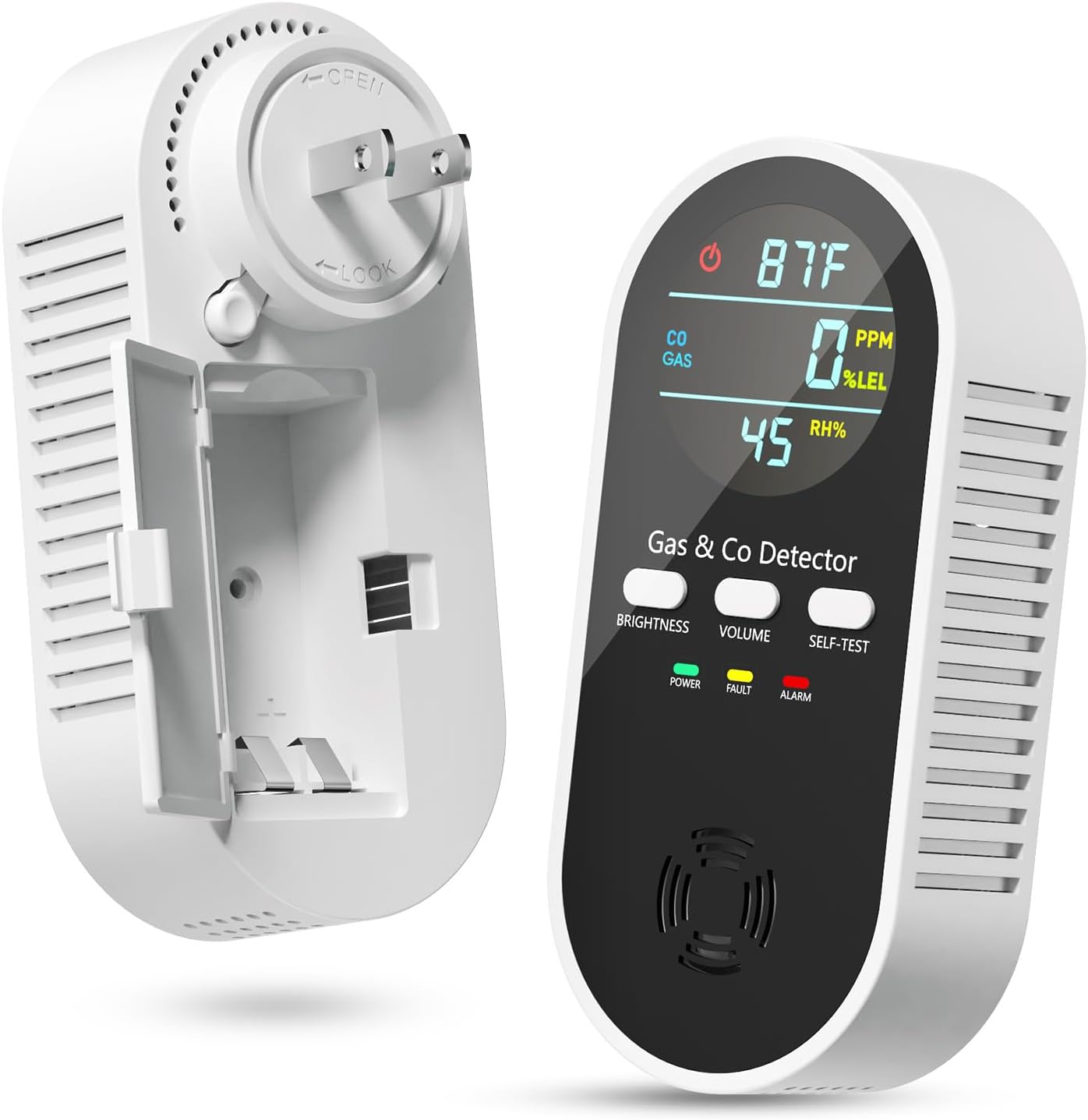
5-in-1 gas leak and CO detector with temp/humidity, brightness/volume control
NICGOL
Mid-Range
Natural Gas Plug-in Detector for home & RV (2 pcs)
Colorwell
Budget
Safe T Alert 20 Series Mini LP Gas Alarm - propane detector
Safe T Alert
Mid-Range
4-in-1 CO and gas detector with temp/humidity monitoring
Daffypop
Budget
RV dual CO & propane detector with 12V DC power
Leakbee
Mid-Range
RV carbon monoxide & propane gas detector with reset
Tadeto
Mid-Range
Airthings Corentium Home Radon Detector 223
Airthings
Premium
RV propane and CO detector with 12V DC power
PROTECTMETER
Mid-Range
RV CO & Propane Gas Detector with dual LCD indicators
funomo
Mid-Range
Tadeto RV CO and LPG Gas Detector with Display
Tadeto
Mid-Range
Airthings Corentium Home 2 Radon Detector with Bluetooth & temp/humidity
Airthings
Premium
VITITE Dual CO/LP Gas Alarm for RVs (DC 12V) Surface/Flush Mount
VITITE
Mid-Range
WiFi gas alarm leak detector for natural gas and propane
Smarter Living
Mid-RangeRoundups
Frequently Asked Questions
How do I choose the right type of gas detector for my needs?
Select based on the target gas (CO, combustible gases, oxygen, toxic industrial gases), whether you need continuous monitoring or portable spot checks, required sensor types (electrochemical for CO/NO2, catalytic for combustibles, infrared for some hydrocarbons), and necessary certifications (e.g., UL, ATEX) for your environment
What features should I prioritize when comparing models?
Prioritize sensor accuracy and cross-sensitivity data, response time, alarm thresholds and volume, calibration and bump-test requirements, battery life or power type, connectivity (visual, audible, and optional wireless/logging), and ruggedness for industrial use
How much should I expect to spend on a reliable gas detector?
Entry-level single-gas portable detectors often fall under $100, multi-gas and industrial-grade handhelds commonly range from about (price varies) to several hundred dollars, and fixed monitoring systems can cost more depending on sensors and installation; the category average is around $100
How often do gas detectors require calibration and maintenance?
Most detectors need formal calibration or a bump test every 30 to 180 days depending on sensor type and workplace regulations; regular visual inspections, sensor replacement per manufacturer guidance, and keeping firmware updated are also important
Can a detector measure multiple gases simultaneously?
Yes—multi-gas detectors contain multiple sensor types to monitor combinations like O2, LEL (combustible), CO, and H2S simultaneously, but confirm the specific gases supported before purchase since not all models cover every gas
What certifications or standards should I look for for industrial or hazardous locations?
Look for certifications such as UL/CSA listings, ATEX/IECEx for explosive atmospheres, and compliance with local occupational safety standards (e.g., OSHA or equivalent) to ensure suitability for hazardous environments
How do environmental conditions affect detector performance?
Extreme temperatures, high humidity, dust, and corrosive atmospheres can shorten sensor life or cause inaccurate readings; choose devices rated for the operating temperature and ingress protection (IP) appropriate to your site and follow maintenance schedules