Grinding Discs
Grinding discs for metal, masonry, and concrete cutting, grinding, and surface prep in industrial and workshop settings. Assortment spans budget to mid-range options (about $32–$200, avg $61) across 59 indexed products with a 4.56 average rating; brands include EDiamondTools and SALI
Top Products

DEWALT 4-1/2in x 1/4in x 7/8in metal grinding wheel, 10-pack
DEWALT
Budget
7'' Diamond Grinding Wheel with 12 Turbo Segments, #30/40 Grit, Medium Bond, 5/8"-11 Arbor
EDiamondTools
Budget
KSEIBI grinding wheels 25-pack, 4-1/2" x 1/4" x 7/8" aluminum oxide discs
KSEIBI
Budget
Concrete Diamond Turbo Grinding Cup Wheel 7 inch
BRSCHNITT
Mid-Range
Oregon grinding wheel 5-3/4" x 1/4" with 7/8" shaft
Oregon
Mid-Range
12-pack strip discs for angle grinders 4-1/2 in x 7/8 in
KONIGEEHRE
Budget
SHDIATOOL 3 Inch Diamond Grinding Wheel 60 Grit Convex Edge
SHDIATOOL
Budget
SALI 4.5 inch Diamond Grinding Wheel 3pc 14 Segments 5/8-11 arbor
SALI
Budget
Strip disc wheel set for angle grinder, 4-1/2'' x 7/8'', 10 pack
LAIWOO
Budget
SALI 4.5in Diamond Grinding Wheel 3pc, 5/8-11 Arbor
SALI
Budget
SALI 4-1/2 in Grinding Wheel for metal & stainless steel
SALI
Mid-Range
SALI 7 Inch Diamond Grinding Wheel 43 Turbo Segments 5/8-11 Arbor
SALI
Mid-Range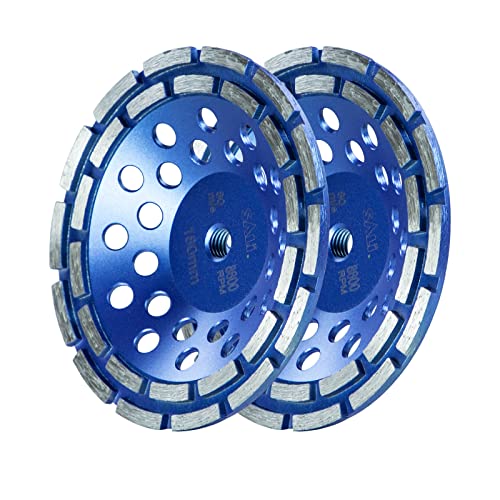
SALI 7 Inch Diamond Grinding Wheel with 28 Turbo Segments, 5/8-11 Arbor
SALI
Mid-Range
12-Pack Paint Stripper Discs for Angle Grinder, 4-1/2" x 7/8"
WelderElite
Budget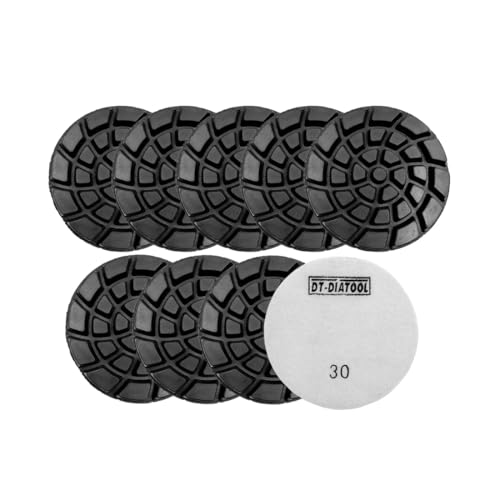
DT-DIATOOL 4 Inch Diamond Polishing Pads for Concrete
DT-DIATOOL
Budget
Wood carving disc kit for 4-1/2 inch grinders, 13 pieces
Pomsare
Budget
Grinding wheels 4-1/2" x 1/4" x 7/8" center metal aggressive grinding discs
LUCKUT
Mid-Range
4" Flat Resin Diamond Cup Wheel with 5/8-11 Arbor for Stone
CasaVerde TOOLS
Mid-Range
4.5 in Diamond Concrete Grinding Wheel, 12-Segment Cup Disc
AOKLIT
Mid-Range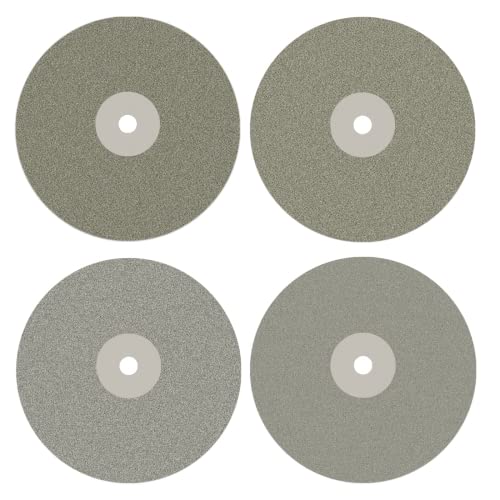
Diamond Lap Wheel Disc 8" x 1/2" Arbor 1500-3000 Grit
DZQ
Budget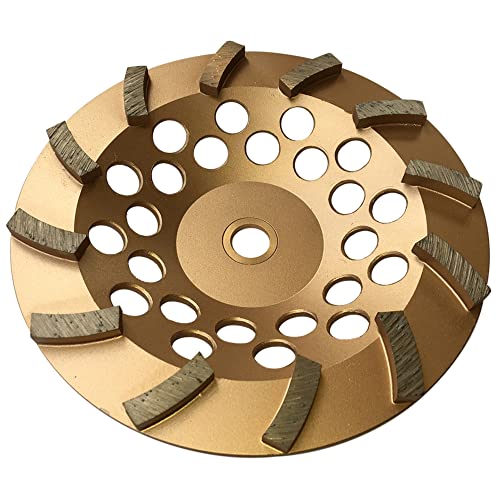
7" Diamond Grinding Wheel with 12 turbo segments, #30/40, 7/8"-5/8" arbor
EDiamondTools
Mid-Range
Concrete Grinding Wheel 5" Ceramic Diamond Cup Wheel 5/8-11
ComeFloor
Budget
4in Diamond Cup Wheel with 5/8-11 Thread for Stone
CasaVerde TOOLS
Mid-Range
DZQ Diamond Flat Lap Wheel Discs 4-Pack 6" x 1/2" Arbor
DZQ
Mid-RangeRoundups
Frequently Asked Questions
How do I choose the right grinding disc for the material I'm working on?
Match the disc type and grit to the material: use diamond or CBN-bonded discs for hard masonry, tile, and stone; silicon carbide or aluminum oxide for metal, cast iron, and non-ferrous materials; and coarse grits (40–80) for heavy stock removal, medium grits (80–120) for shaping, and fine grits (120+) for finishing
What disc diameter and arbor size do I need for my angle grinder?
Check your grinder’s specifications for maximum disc diameter and arbor (center hole) size; common consumer sizes are 4.5" and 7" diameters with arbor holes typically 7/8" (22.23 mm) or secured with a standard flange adapter—never use a disc larger than the tool’s rated size
Are bonded grinding discs safe to use and what safety features should I look for?
Choose discs rated for your tool’s RPM and marked with the maximum safe speed, look for reinforced construction (fiberglass mesh or metal core) for high-stress jobs, and always use appropriate guards, eye and hearing protection, and follow the tool and disc manufacturer safety instructions
How long do grinding discs typically last and what affects their lifespan?
Lifespan depends on material, grit, bond hardness, pressure applied, and duty cycle; aggressive jobs and hard materials wear discs faster, while softer bonds wear faster on soft metals—expect variable life from a few hours of heavy use to many hours for light touch-ups
Can I use the same disc for cutting and grinding?
No; cutting discs are thin and designed for edge cutting, while grinding discs are thicker and built to withstand lateral pressure—using a cutting disc for grinding or vice versa can cause premature failure or breakage and poses a safety risk
How should I store and maintain grinding discs to prolong performance?
Store discs flat in a dry, moderate-temperature environment away from direct sunlight and moisture; inspect before use for cracks, warping, or damage, and remove buildup or clogging by dressing the disc when applicable or replacing if performance degrades