Ground Fault Circuit Interrupters
Ground Fault Circuit Interrupters (GFCIs) in Tools & Industrial cover receptacles, breakers, and portable/test units designed to cut power on ground faults for safety in wet or conductive environments. Range spans budget to premium options (avg $133) from brands like Leviton and Schneider Electric
Top Products

Siemens QF130A 30A 1-pole 120V GFCI circuit breaker
SIEMENS
Mid-Range
285-series thermal circuit breaker, surface mount, 48V DC, 60A
Blue Sea Systems
Mid-Range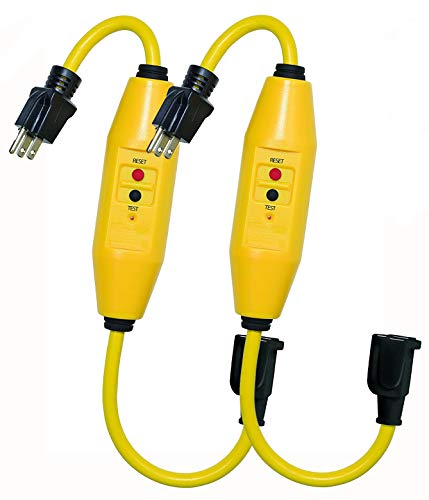
Tower 30438018 15A GFCI inline cord, 18in, 2-pack
Tower
Mid-Range
Siemens QF260A 60A 2-pole GFCI circuit breaker
SIEMENS
Mid-Range
20 Amp Plug-On Neutral CAFCI/GFCI Breaker
SIEMENS
Mid-Range
Homeline 2-pole 20A GFCI circuit breaker, 120/240V
Schneider Electric
Mid-Range
HOM115PDFC Homeline Plug-On Neutral 15A Dual Function Circuit Breaker
Schneider Electric
Mid-Range
Eaton 2-pole GFCI circuit breaker, 30A, 120/240V, pigtail neutral
Eaton
Mid-Range
ABB THQL2150GFT 50A 240V Double Pole GFCI Circuit Breaker
ABB
Mid-Range
GE THQL1115AFP2 15-Amp Single Pole AFCI
GE
Mid-Range
HOM250GFICP 50-Amp Two-Pole GFCI Circuit Breaker
Schneider Electric
Premium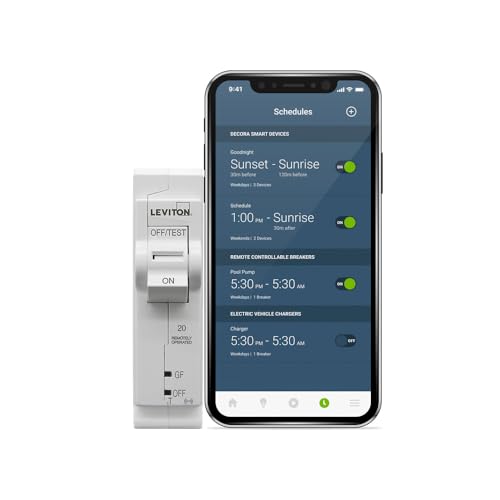
Leviton 2nd Gen Smart Circuit Breaker with Remote Control
Leviton
Premium
Leviton 2nd Gen Smart Circuit Breaker with Remote Control
Leviton
Premium
Leviton 2nd Gen Smart Circuit Breaker with Remote Control, 2-Pole 20A
Leviton
Premium
Leviton 2nd Gen Smart Circuit Breaker (1-Pole, 20A, AFCI/GFCI)
Leviton
Premium
Leviton 2nd Gen Smart Circuit Breaker w remote control
Leviton
Premium
Leviton 2nd Gen Smart Circuit Breaker with Remote Control
Leviton
Premium
Leviton 2nd Gen Smart Circuit Breaker with Remote Control
Leviton
Premium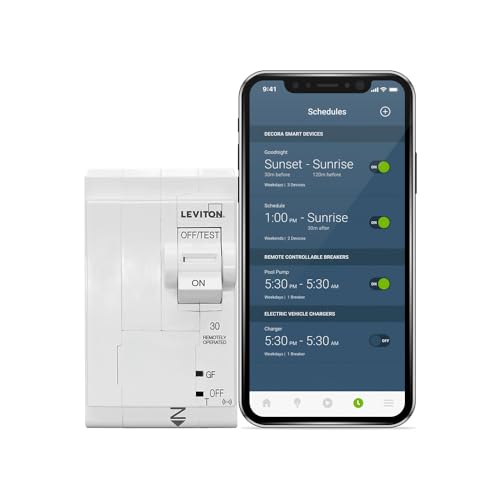
Leviton 2nd Gen Smart Circuit Breaker with Remote Control, 2-Pole 30 Amp
Leviton
Premium
Leviton 2nd Gen Smart Circuit Breaker with Remote Control, GFCI, 2-Pole 30A
Leviton
PremiumRoundups
Frequently Asked Questions
What is a ground fault circuit interrupter (GFCI) and when do I need one?
A GFCI is a device that quickly cuts power when it detects an imbalance between hot and neutral currents, preventing electric shock; codes typically require them in wet or outdoor areas such as kitchens, bathrooms, garages, basements, and outdoor receptacles
How do I choose between a GFCI outlet, GFCI circuit breaker, and portable GFCI?
Choose a GFCI outlet to protect a single receptacle or downstream load on the same branch circuit, a GFCI circuit breaker to protect an entire circuit at the panel (useful for multiple devices or hardwired equipment), and a portable GFCI for temporary protection of tools and extension cords
What electrical specifications should I check before buying a GFCI?
Confirm the device's trip sensitivity (typically 5 mA for personnel protection), intended voltage and amperage ratings (common are 120V/15–20A outlets and 120/240V breakers in panels), and compatibility with your panel type or wiring configuration including neutral bonding requirements
How much do GFCIs cost and what affects price?
Prices vary by type and features: basic GFCI receptacles and portable units are available at lower price tiers, while GFCI breakers and specialty industrial models cost more; expect a broad range from budget options under $50 to higher-end breakers and commercial models averaging over $100
Can I install a GFCI myself, and what safety steps should I follow?
Qualified DIYers can install GFCI receptacles or replace breakers if they understand wiring and turn off power at the panel; always shut off the circuit, verify power is off with a tester, follow manufacturer wiring diagrams, and consult an electrician if unsure or when local code requires professional installation
How do I test and maintain a GFCI to ensure it works?
Test GFCI outlets and breakers monthly using the built-in test button or an external tester; if the device does not trip when tested, replace it; keep outlets dry and clean, and replace units that show physical damage or frequent nuisance tripping after troubleshooting
Are there compatibility or code considerations for using GFCIs with appliances and motors?
Some appliances and motors produce leakage currents or nuisance tripping; consult manufacturer guidance and local electrical code—use GFCI-protected circuits where required, and consider dedicated circuits, type-tested equipment, or adjustable/resettable protection devices for sensitive industrial loads