Hardware Spacers
Hardware Spacers includes metal and plastic spacer sleeves, standoffs, and shims used to position or separate components in construction, machinery, and assembly work. The category lists 15 indexed products with average rating 4.43 and mid-range pricing (about $33–$80), featuring brands like Threetwone
Top Products
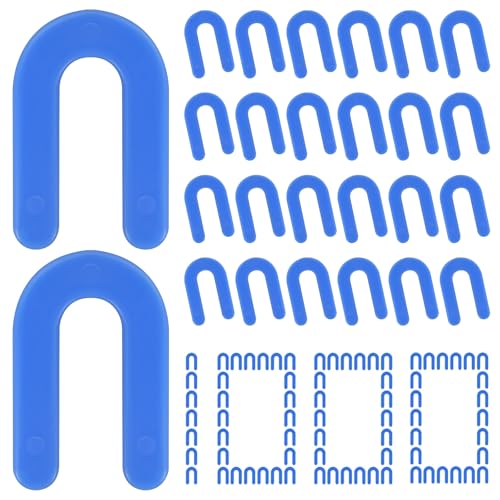
Tile leveling system spacers 1/16 in (1000 pcs) horseshoe clips
DGSL
Budget
Tile leveling system spacers 1/8 in (1000 pcs) horseshoe clips
DGSL
Mid-Range
Tile Leveling System Clips 2000 pcs
WALANG
Budget
Tile Leveling System Clips 2000 pcs, 1/8" (3mm) spacers
WALANG
Budget
Side Clamp Standoffs 3/4" x 1" Aluminum Edge Grip Sign Standoffs
TUBYIC
Budget
Side Clamp Standoffs 3/4" x 1" Aluminum Edge Grip Sign Standoffs
TUBYIC
Budget
Pro-Grade 1/8 in Tile Leveling System Clips (2200)
Threetwone
Budget
Deck spacers 1/8 and 3/16 edges (8 pcs) for spacing
CroBlissful
Budget
Tile Leveling System 2500 Pcs 1/16" Tile Spacers
QXTXYZ
Budget
Pro-Grade 1/16
Threetwone
Budget
Pro-Grade 1/8" Tile Leveling System Kit 300 Base + 100 Caps
Threetwone
Budget
Pro-Grade Tile Leveling Clips 500pcs (1/8 in) – Dual Leveler & Spacer
Threetwone
Budget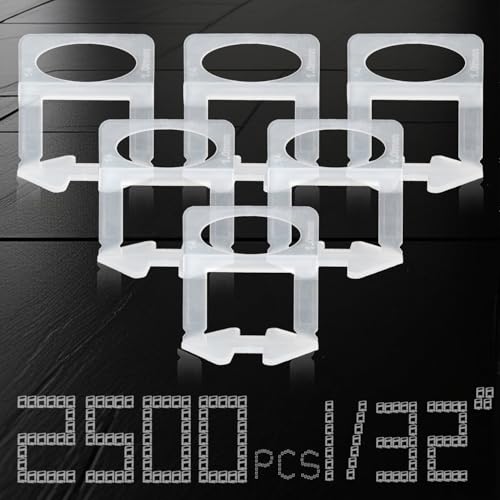
Tile Leveling System spacers 1/32" (2500 pcs)
QXTXYZ
Budget
Pro-Grade 1/16" Tile Leveling System Kit
Threetwone
Mid-Range
Pro-Grade Tile Leveling System Clips (4500) 1/32 in – Dual-Purpose Leveler Spacer
Threetwone
Mid-RangeRoundups
Frequently Asked Questions
How do I choose the right spacer material for my project?
Select material based on strength, corrosion resistance, and weight: stainless steel for strength and corrosion resistance, aluminum for lightweight applications, brass for conductivity and moderate strength, and plastic (nylon, Delrin) for non-conductive, low-load uses
What dimensions should I check when selecting a spacer?
Verify outer diameter, inner bore diameter (to match the bolt or shaft), length/thickness (to set gap), and any chamfers or shoulder features; also confirm tolerance and whether a metric or imperial size is required
Are spacer sets or individual spacers more cost-effective?
Sets are typically more cost-effective if you need multiple sizes or quantities, while individual spacers are better when you need a specific size or material; consider average project needs and stocking convenience
Can spacers affect electrical isolation or grounding?
Yes: non-conductive spacers (nylon, plastic) provide electrical isolation, while metal spacers conduct and can be used to ground or create electrical paths; choose material based on whether isolation or conductivity is required
How should I maintain and store spacers to prevent corrosion or damage?
Store spacers in a dry, labeled container sorted by size and material; clean metal spacers to remove debris and apply light oil or keep in desiccated storage to reduce corrosion for ferrous types
What load and tolerance information do I need for structural applications?
Check the spacer's compressive strength and material yield limits for load-bearing use, and confirm manufacturing tolerances for bore and length to ensure fit and prevent misalignment under load
How do I measure an existing spacer to find a replacement?
Measure inner bore diameter with calipers to fit the fastener, measure outer diameter for clearance, and measure length to match the required spacing; note material and any shoulder or flange details