Hazardous Storage Cabinets
Hazardous Storage Cabinets in Tools & Industrial are metal cabinets and containment units designed for safe storage of flammable, corrosive, or reactive chemicals and waste. The 13 indexed products span budget through premium options (avg price ~(price varies)) and include brands like VEVOR among top sellers
Top Products
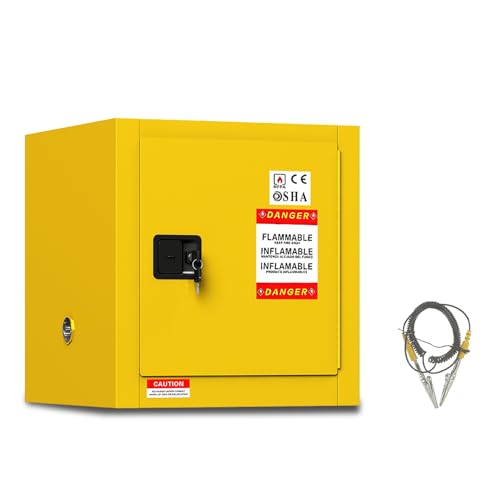
Flammable storage cabinet with 2 manual doors, 4 gal
BUTISOW
Premium
KAER Flammable Cabinet 43.1x18.1x50.1 in, 30 gal, adjustable shelf
KAER
Premium
Flammable Storage Cabinet, 16 Gal Steel Cabinet with 1 Adjustable Shelf
BUTISOW
Premium
KAER Flammable Cabinet 30 Gal – 43.1x18.1x50.1 in, adjustable shelf
KAER
Premium
VEVOR Galvanized Flammable Safety Cabinet 17x17x22
VEVOR
Premium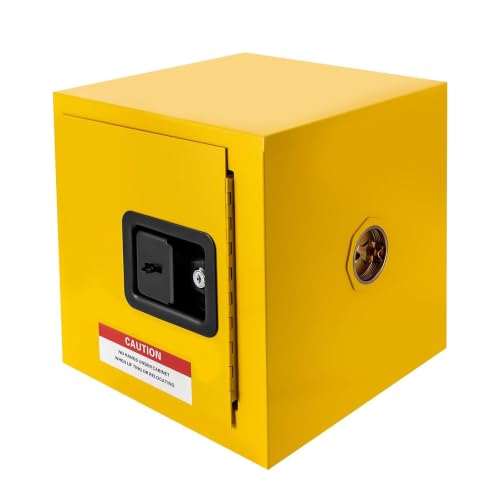
Hazardous Materials Storage Cabinet 13x13x13 in safety cabinet
koxuyim
Mid-Range
Horizontal cylinder storage cabinet, 4-cylinder capacity
VEVOR
Premium
koxuyim flammable storage cabinet -17 x 18 x 22 inch
koxuyim
Premium
Propane Tank Storage Box for 8 Cylinders - Lockable Steel Cage
Sidasu
Premium
VEVOR flammable cabinet, 34 gal, 2 shelves, 18" x 43" x 50"
VEVOR
Premium
VEVOR flammable cabinet 18x24x65 in blue-yellow steel storage
VEVOR
Premium
VEVOR Flammable Cabinet 18x43x46, 29-gal with Adjustable Shelves
VEVOR
Premium
Flammable Safety Cabinet, 43 W x 44 H x 18 D
koxuyim
PremiumRoundups
Frequently Asked Questions
What capacity and size should I choose for a hazardous storage cabinet?
Choose a cabinet sized to fit the volume and dimensions of containers you need to store plus safe clearances; common options range from small under-counter cabinets for a few gallons to large freestanding units for dozens of gallons—calculate total container volume and allow extra space for segregation and ventilation
How do I know which cabinet type is required for my chemicals?
Select cabinets labeled for the hazard class of your materials (e.g., flammable liquids, corrosives, or combustibles); consult Safety Data Sheets (SDS) for storage recommendations and local regulations to determine whether separate cabinets or dedicated compartments are needed
What key safety features should I look for in a hazardous storage cabinet?
Important features include double-walled steel construction with a 2–3 inch air gap, self-closing fire-resistant doors, liquid-tight sills, built-in vents with flame arrestors, grounding/bonding points for flammables, and clearly visible hazard labeling
Are there installation or code considerations I should be aware of?
Yes—follow local fire codes and OSHA or equivalent regulations, which may dictate cabinet placement, distance from ignition sources, aisle spacing, ventilation requirements, and whether cabinets must be bolted to the floor or wall
How much do hazardous storage cabinets typically cost?
Prices vary by size and features; expect budget bench-top or small units at lower price points and larger, certified freestanding cabinets with ventilation and fire-rated construction in the mid-to-higher range, with many options clustered around a few hundred dollars
What maintenance and inspection practices are recommended?
Regularly inspect for corrosion, dents, functioning self-closing doors, intact seals, and clear labeling; clean up spills promptly, check vents and grounding connections, and document periodic inspections per workplace safety procedures
Can I store different classes of chemicals together in one cabinet?
Avoid storing incompatible chemical classes together—store flammables, corrosives, oxidizers, and acids/bases in separate cabinets or segregated compartments as specified by SDS guidance and applicable regulations to prevent dangerous reactions