Height Gauges
Height gauges measure vertical distances and scribe or transfer precise measurements for layout and inspection in machine shops and metalworking. This category (10 products, avg rating 4.51) includes digital and dial styles across budget through mid-range prices (about $33–$120), with brands like comincia represented
Top Products

VEVOR 15 ft Load Height Measuring Stick
VEVOR
Mid-Range
Height Stick for Trucks 15FT with Adjustable Fiberglass Pole
comincia
Mid-Range
Height Stick for Trucks 20FT with Adjustable Pole
comincia
Premium
Shars 12in Dial Height Gage 303-4410
Shars
Mid-Range
GemRed Digital Depth Gauge with Magnetic Base
GemRed
Budget
Height measurement stadiometer with cm & in
Tetuga
Mid-Range
15 ft Load Height Measuring Stick for Trucks
Victoam
Mid-Range
Height Stick for Trucks - 15ft fiberglass load height measuring stick
ACTREY
Mid-Range
20 ft Load Height Measuring Stick with non-conductive fiberglass pole
Victoam
Premium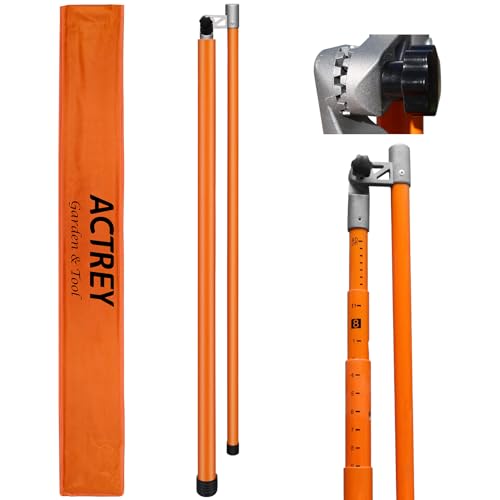
Load Height Measuring Stick - 20 ft fiberglass truck height stick
ACTREY
PremiumRoundups
Frequently Asked Questions
What is a height gauge and what is it used for?
A height gauge is a precision measurement tool used to determine the vertical distance between a reference surface (usually a surface plate) and a feature on a workpiece, commonly used for layout, marking, and inspection in machining and quality control
How do I choose between dial, digital, and vernier height gauges?
Choose dial or vernier gauges for simple, robust mechanical readouts and when battery-free operation is preferred; choose digital gauges for faster readings, easy zeroing, unit switching (mm/in), and higher repeatability for many users
What resolution and accuracy should I look for in a height gauge?
Select resolution and accuracy based on your tolerance requirements: common hobby/shop models offer 0.01 mm (0.0005 in) resolution, while more precise models provide 0.001 mm or 0.0001 in; ensure the stated accuracy (typically listed as ± value) meets your inspection or layout tolerances
What size or measuring range do I need?
Pick a measuring range that exceeds the largest parts you will measure; common ranges include 150 mm (6 in), 300 mm (12 in), and 600 mm (24 in); using a gauge with ample range avoids extensions or multiple tools
What features improve usability for workshop tasks?
Useful features include a carbide-tipped scriber or interchangeable probes, fine adjustment mechanisms, locking clamps, easy-to-read scales or backlit LCDs, and the ability to zero or datum at any position
How should I maintain and calibrate a height gauge?
Keep the gauge clean and lubricated per manufacturer guidance, protect it from shocks and moisture, store it upright in a case, and have it calibrated periodically against traceable standards or a certified surface plate based on usage frequency
What price range should I expect for reliable height gauges?
Entry-level and hobby gauges commonly cost under $100, mid-range workshop gauges are in the $100–$300 range, and high-precision or long-range instruments can cost several hundred dollars; match cost to required accuracy and build quality