High-Speed Centrifuge Lab Tubes
High-Speed Centrifuge Lab Tubes: laboratory-grade plastic and polypropylene tubes designed for rotor speeds used in high-speed centrifugation, offered in assorted capacities and sealing types for sample prep and separation. The category averages a 4.66 rating across 11 indexed products, with mid-range pricing (about $39–$180) and brands like Kashi Scientific represented
Top Products

5 mL centrifuge tubes with snap cap, 300 pack
Kashi Scientific
Budget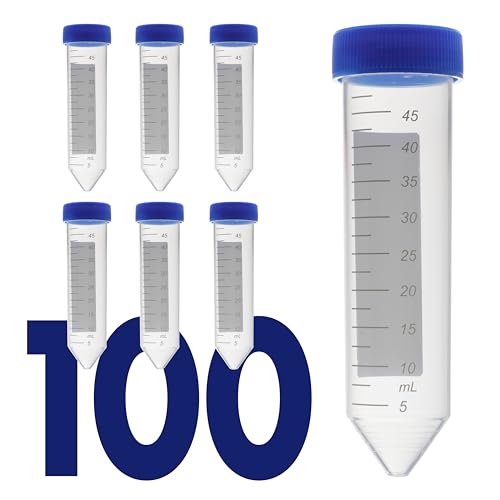
Conical Centrifuge Tubes 50mL, 100 Pack with Caps
Kashi Scientific
Mid-Range
Self Standing 50mL Centrifuge Tubes with Caps, 100 Pack
Kashi Scientific
Mid-Range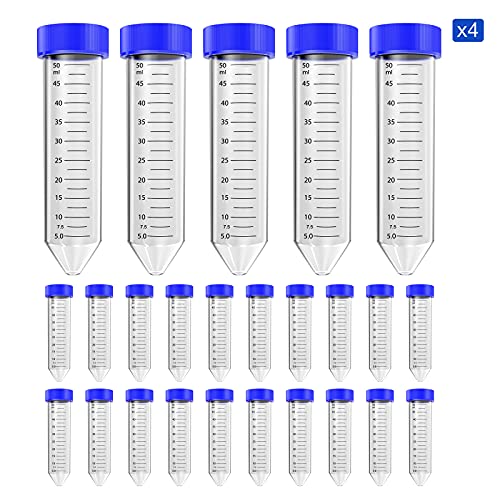
SimPure 50mL Conical Centrifuge Tubes, 100Pcs, PP, Autoclavable
SimPure
Mid-Range
Conical Centrifuge Tubes 15mL, 500 Pack with Screw Caps
Kashi Scientific
Mid-Range
Conical Centrifuge Tubes 50mL, 300 Pack with Caps
Kashi Scientific
Premium
Conical Centrifuge Tubes 50mL, 500 Pack w/ Caps
Kashi Scientific
Premium
Self-Standing 50mL Centrifuge Tubes with Caps, 500 Pack
Kashi Scientific
Premium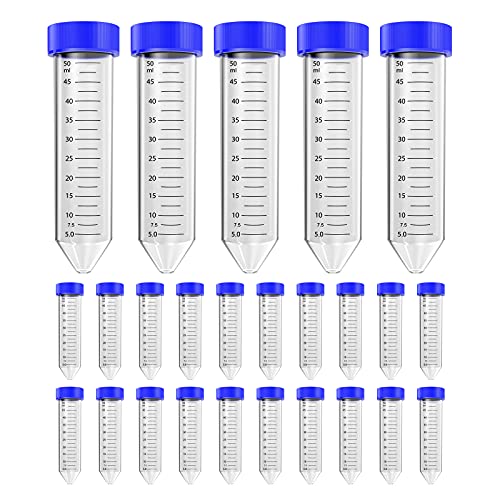
SimPure 50mL Conical Centrifuge Tubes, 500 PC, PP, Leak-Proof Caps
SimPure
Premium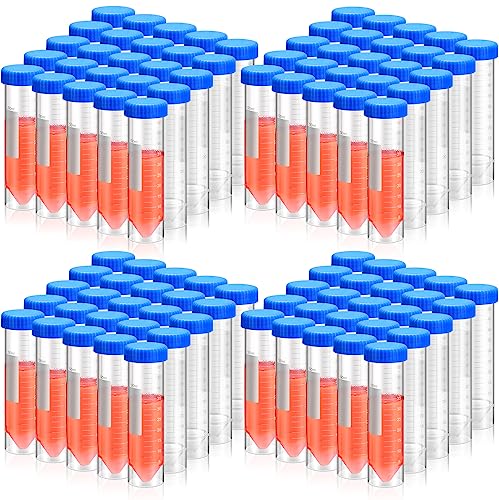
Xuhal 200 Counts 50ml Centrifuge Tubes with Screw Cap
Xuhal
Mid-Range
Xuhal 400-count 50ml centrifuge tubes with screw caps
Xuhal
Mid-RangeRoundups
- Best High-Speed Centrifuge Lab Tubes for Solid Sample Collection (2026)
- Best High-Speed Centrifuge Lab Tubes for Dna Extraction (2026)
- Best High-Speed Centrifuge Lab Tubes Under $200 (2026)
- Best High-Speed Centrifuge Lab Tubes Under $100 (2026)
- Best High-Speed Centrifuge Lab Tubes Under $50 (2026)
- Best High-Speed Centrifuge Lab Tubes (2026 Guide)
Frequently Asked Questions
How do I choose the right centrifuge tubes for high-speed applications?
Select tubes rated for the maximum rpm or relative centrifugal force (RCF) of your centrifuge, prefer tubes with clear RCF/rpm markings, choose an appropriate volume and shape for your rotor, and use tubes made of materials (e.g., polypropylene) specified for high-speed use to avoid cracking or deformation
What material and closure type is best for chemical compatibility and leak prevention?
Polypropylene is common for general-purpose high-speed tubes due to good chemical resistance and toughness; screw-cap or snap-cap designs with integrated O-rings provide reliable seals—verify chemical compatibility charts for specific solvents and acids before use
How should I size tubes and rotors to optimize capacity and balance?
Match tube volume to rotor slot capacity and use the same tube types and filled volumes in opposing positions to maintain balance; if mixing volumes, use counterbalancing tubes with equal mass rather than relying on visual symmetry
What safety considerations should I follow when using high-speed centrifuge tubes?
Inspect tubes for cracks or deformation before use, ensure caps are properly seated, use appropriate secondary containment (safety buckets or sealed rotors) for biohazards or hazardous chemicals, and never exceed the tube’s rated RCF or the rotor’s maximum speed
How do I clean and store high-speed centrifuge tubes to extend their life?
Rinse immediately after use, clean with compatible detergents and deionized water, avoid strong organic solvents unless material-compatible, autoclave only if the tube’s specifications allow, and store caps and tubes assembled in a cool, dark place to prevent warping
Are there traceability or labeling practices recommended for lab centrifuge tubes?
Use solvent-resistant ink or adhesive labels on the tube body or a dedicated sample ID area, include date and operator initials, and consider barcoded tubes or rack-level tracking for high-throughput workflows to maintain sample traceability
What price range should I expect for high-speed centrifuge tubes and what affects cost?
Individual tube prices typically range from low-cost bulk options under $1 per tube to higher-priced certified or specialty tubes; factors affecting cost include material, certified sterility, chemical compatibility, specialized markings, and brand quality