Hot Water Dispensers
This category covers in-sink and countertop hot water dispensers used for instant near-boiling water in kitchens and light industrial settings. Nineteen products span budget to premium options with an average rating of 4.46; top brands include InSinkErator. Prices range roughly $80 to $627 (average about (price varies))
Top Products

InSinkErator Invite Contour Instant Hot Water Dispenser (Faucet & Tank) Chrome
InSinkErator
Premium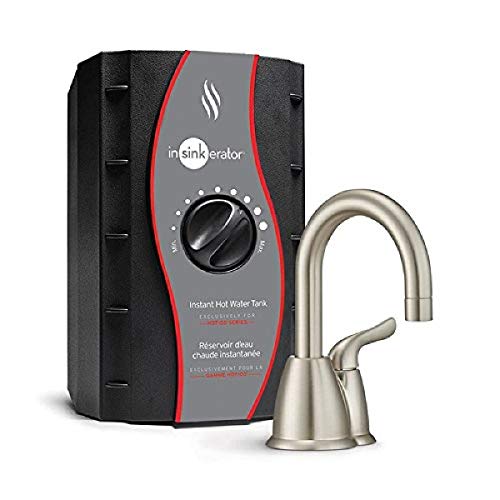
InSinkErator instant hot water dispenser with satin nickel tank
InSinkErator
Premium
InSinkErator HOT250 instant hot water dispenser with stainless tank
InSinkErator
Premium
InSinkErator HOT/COLD Instant Dispenser with 2-Handle Matte Black Faucet
InSinkErator
Premium
Ready Hot instant hot water dispenser with faucet (2.5 Qt, brushed nickel)
Ready Hot
Premium
InSinkErator HOT250 instant hot water dispenser with matte black faucet
InSinkErator
Premium
InSinkErator hot & cold water dispenser system with stainless tank
InSinkErator
Premium
Ready Hot instant hot water dispenser with 2.5 qt tank
Ready Hot
Premium
InSinkErator hot water dispenser with stainless steel tank
InSinkErator
Premium
InSinkErator HOT250 Instant Hot Water Dispenser System
InSinkErator
Premium
InSinkErator HOT250 instant hot water dispenser
InSinkErator
Premium
Ready Hot instant hot water dispenser with brushed nickel faucet
Ready Hot
Premium
Insulated Beverage Dispenser 3.5 Gal with 304 SS Interior
JIVGDN
Mid-Range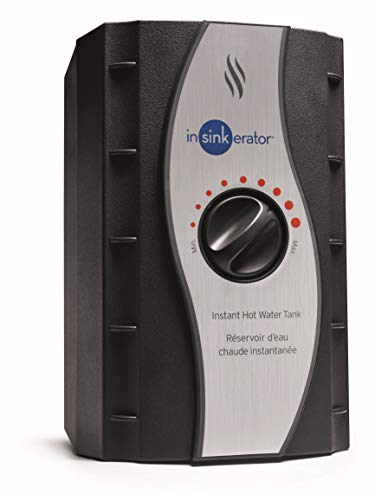
InSinkErator Instant Hot Water Tank 2/3 Gallon HWT-00
InSinkErator
Premium
InSinkErator HOT250 instant hot water dispenser with chrome faucet
InSinkErator
Premium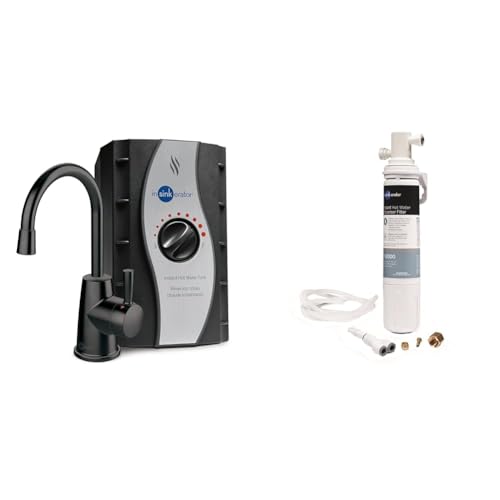
InSinkErator HOT250 Instant Hot Water Dispenser + Under Sink Filtration
InSinkErator
Premium
InSinkErator View Instant Hot & Cold Dispenser (Chrome) with Tank
InSinkErator
Premium
InSinkErator hot water dispenser with 2-handle chrome faucet
InSinkErator
Premium
Ready Hot instant hot water dispenser system
Ready Hot
PremiumRoundups
Frequently Asked Questions
How do I choose the right hot water dispenser for my workspace?
Pick a unit sized to expected daily demand (single-point use vs multiple taps), choose a tank or tankless model based on recovery time and footprint, confirm required water pressure and electrical/gas connections, and prioritize corrosion-resistant materials and safety features such as child locks and insulated spouts
What are the main differences between tank and tankless hot water dispensers?
Tank models store preheated water for immediate draw and are better for frequent short uses; tankless (instant) units heat on demand and save space and standby energy but may have slower flow or limited peak output depending on rating
What installation and utility requirements should I check before buying?
Verify available electrical supply (voltage and amperage) or gas connections, required water line pressure and fittings, clearance for venting if applicable, and whether a certified plumber or electrician is needed for code-compliant installation
How much should I expect to spend and what affects price?
Industrial and commercial hot water dispensers commonly range from a few hundred to several thousand dollars; price depends on capacity, flow rate, heating technology (tank vs tankless), build materials, brand reputation, and installation complexity
What maintenance is required to keep a hot water dispenser reliable?
Perform regular descaling or flushing schedules based on water hardness, replace inlet filters and seals per manufacturer guidance, check for leaks and proper pressure, and arrange periodic professional servicing for thermostats, heating elements, or gas lines
What safety and compliance features should I look for in industrial units?
Look for thermostatic cutoffs, pressure-relief valves, certified electrical or gas safety listings, insulated surfaces to prevent burns, and clear operator instructions; ensure the model meets local plumbing and building codes
How do I evaluate capacity and flow rate for multiple users or tools?
Match the dispenser's gallons-per-minute (GPM) or recovery rate to peak simultaneous demand (sum of flows for all connected points); for intermittent use, a larger tank or higher recovery tankless unit will reduce wait times during peaks