Household Stains
Household Stains in Tools & Industrial covers stain removers, restorers, wood and concrete stain kits, and application tools for home and repair projects. The catalog includes 316 products averaging a 4.36 rating, with price tiers from $33 to $365 (avg ~(price varies)). Notable brands include Retique It and Rubio Monocoat
Top Products
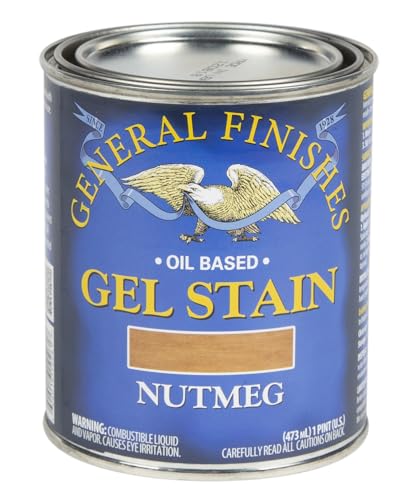
General Finishes Oil Base Gel Stain Nutmeg
General Finishes
Budget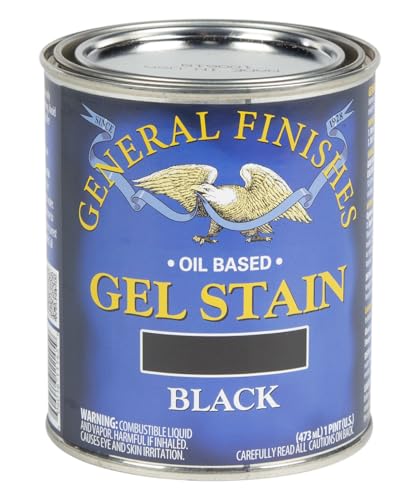
General Finishes Oil Base Gel Stain, 1 Pint, Black
General Finishes
Budget
General Finishes Oil Base Gel Stain, Java (1 Pint)
General Finishes
Mid-Range
General Finishes Oil Base Gel Stain, Ash Gray
General Finishes
Mid-Range
Rubio Monocoat Wood Stain & Finish Almond 130 ml
Rubio Monocoat
Budget
Dyes, Amber - TransTint (wood stain)
TransTint
Budget
Rubio Monocoat Wood Stain & Finish Dulce 130 ml
Rubio Monocoat
Budget
Rubio Monocoat Wood Stain & Finish 65 ft2 – Super White
Rubio Monocoat
Budget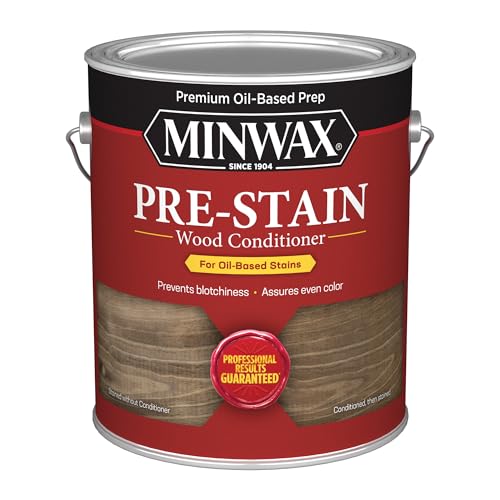
Minwax Pre-Stain Wood Conditioner, 1 Gallon
Minwax
Mid-Range
General Finishes Oil Base Gel Stain, Antique Walnut
General Finishes
Mid-Range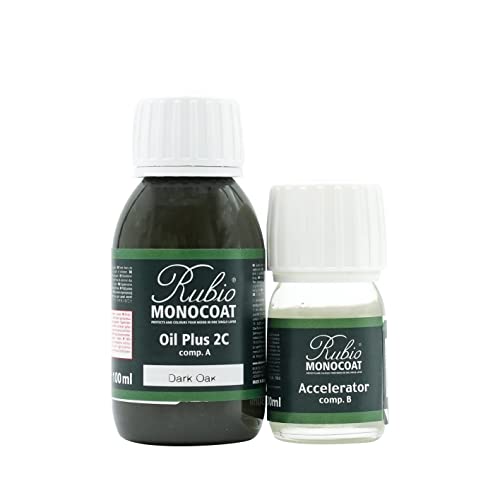
Rubio Monocoat Wood Stain & Finish Cotton White 130 ml
Rubio Monocoat
Budget
Oil Base Gel Stain Java, 1 Quart
General Finishes
Mid-Range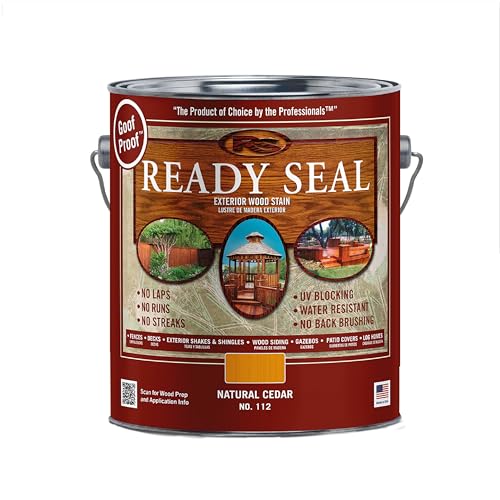
Ready Seal 1 gal Natural Cedar Exterior Stain and Sealer
Ready Seal
Mid-Range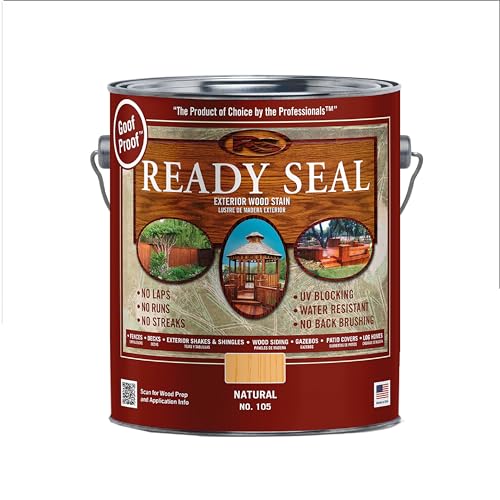
Ready Seal 105 Natural exterior wood stain and sealer (1 gal)
Ready Seal
Mid-Range
TransTint Dyes, Aqua
TransTint
Budget
Varathane Premium Gel Stain - Ipswich Pine, Quart
Varathane
Budget
Minwax Wood Finish Early American Stain, gallon
Minwax
Budget
Dyes, Purple by TransTint
TransTint
Budget
Cabot Australian Timber Oil, Jarrah Brown, 1 gal
Cabot
Mid-Range
Wood Finish 250 VOC Natural Stain, Gallon
Minwax
Mid-Range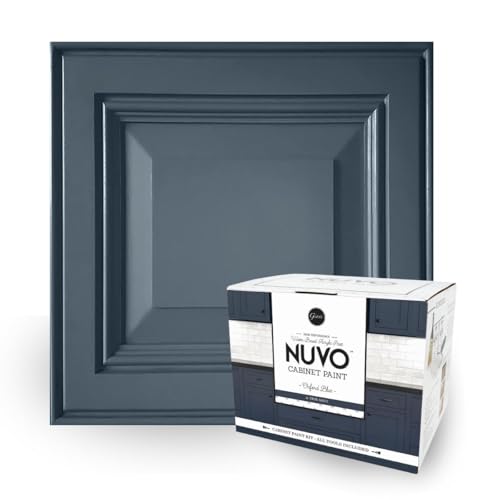
Oxford Blue Cabinet Makeover Kit – 7-Piece, Regal Navy
Giani
Mid-Range
General Finishes Water Based Dye, Medium Brown
General Finishes
Budget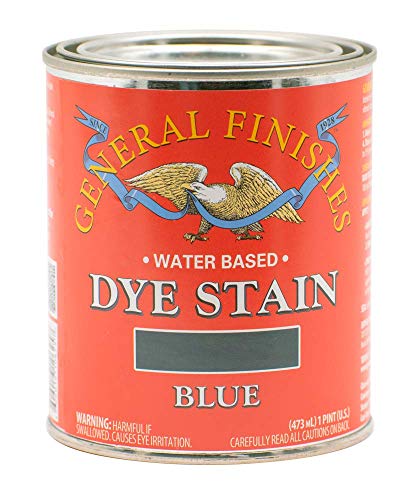
General Finishes water-based dye, blue
General Finishes
Budget
General Finishes Water Based Dye, Medium Brown
General Finishes
BudgetRoundups
Frequently Asked Questions
How do I choose the right household stain product for my surface?
Match the stain type to the material (wood, concrete, tile, metal) and the finish you want (transparent, semi-transparent, solid). Check compatibility with the substrate and any existing coatings, and choose based on application method (brush, wipe, spray) and required durability for the location (interior vs. high-traffic areas)
What factors affect the price of household stain products?
Price varies with formulation (oil-based, water-based, penetrating vs. film-forming), brand, concentration, and included additives (UV blockers, sealers). In this category products commonly range from budget options under $50 to professional formulations over $150, with an average near (price varies)
How much coverage should I expect and how do I calculate how much to buy?
Coverage is typically given in square feet per gallon; wood penetrative stains often cover 200–400 ft²/gal, while thicker coatings cover less. Measure the surface area, account for porosity and number of coats (two coats may double usage), and add 10–15% for waste and touch-ups
What surface preparation and safety steps are necessary before applying a stain?
Clean the surface of dirt, grease, and old finishes; sand or etch porous materials as recommended; allow the surface to dry completely. Work in a well-ventilated area, use gloves and eye protection, and follow label instructions for respirators and disposal
How long does it take stains to dry and cure, and when can the surface be used?
Drying time depends on formula and conditions: thin water-based stains can dry in 1–4 hours, oil-based or penetrating stains often take 6–24 hours to dry, and full cure can take several days to a week. Wait recommended recoat and cure times on the label before heavy use
Can I apply a different finish or sealer over an existing stain?
Yes, but ensure the existing stain is compatible and fully dry; light sanding or scuffing is often required for adhesion. Use a sealer formulation specified for the stained material (polyurethane, wax, or penetrating oil) and test a small area first
How do I maintain and remove stains or blemishes after treatment?
Routine cleaning with mild soap and water or product-recommended cleaners usually suffices; avoid harsh abrasives on sealed surfaces. For localized blemishes, spot-sand and reapply stain and topcoat; for deep or widespread damage, stripping and refinishing may be necessary