Hydraulic Directional Control Valves
Hydraulic directional control valves for routing fluid flow in industrial and mobile hydraulic systems, including manually and electrically actuated spool valves. 15 products indexed with an average rating of 4.26; brands include findmall and others, price range around $53–$123 (average ~(price varies))
Top Products

Hydraulic 2-Spool Flow Control Valve with Adjustable Relief
GYZJ
Mid-Range
Hydraulic 1 Spool Flow Control Valve w/ Spring Return
GYZJ
Mid-Range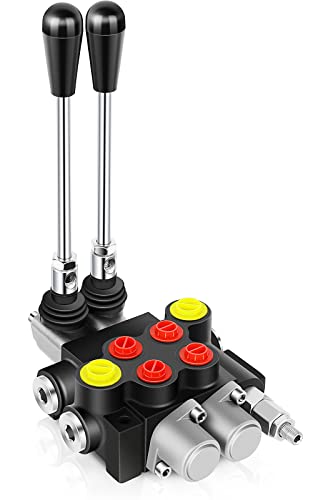
Hydraulic 2-Stage Flow Control Valve with 2 Spools
GYZJ
Mid-Range
3-Spool hydraulic directional control valve, 13GPM, 3600PSI (SAE ports)
findmall
Mid-Range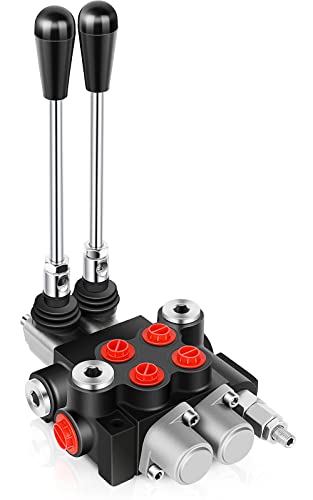
Hydraulic 2 Spool Valve 21 GPM 3600 PSI w/ Lever & Joystick
GYZJ
Mid-Range
Findmall 2-Spool 3600PSI Hydraulic Directional Control Valve, 4-way 3-position
findmall
Mid-Range
findmall 4-spool hydraulic directional control valve 11GPM 3625PSI
findmall
Mid-Range
3-spool hydraulic directional control valve, 3600 PSI, 11 GPM
findmall
Mid-Range
1-Spool hydraulic log splitter valve, 25 GPM, 3626 PSI
VEVOR
Mid-Range
findmall 1-spool hydraulic directional control valve, 3600 PSI, 21 GPM
findmall
Mid-Range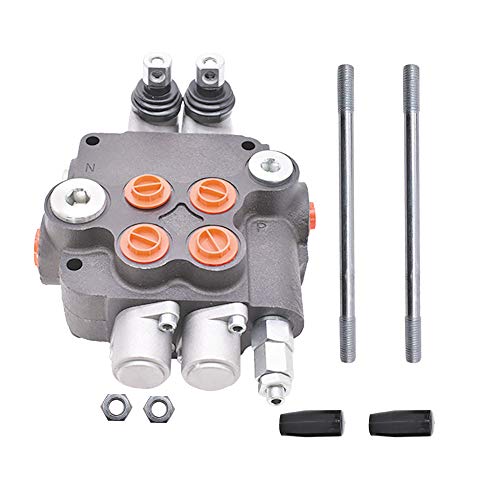
2-spool hydraulic directional control valve for small tractors
findmall
Mid-Range
FAHKNS 3 Spool Hydraulic Flow Control Valve 3600 PSI G Ports
FAHKNS
Mid-Range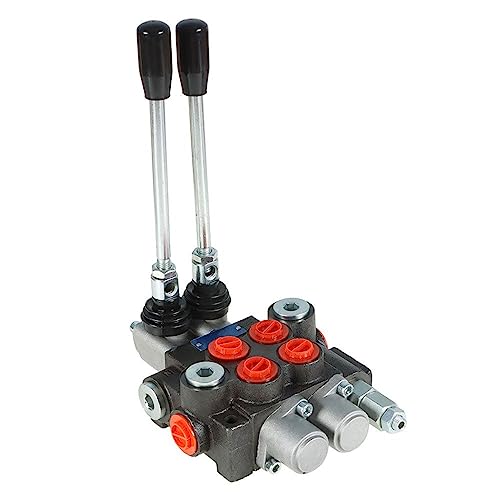
findmall 2-spool hydraulic directional control valve for small tractors
findmall
Mid-Range
6-spool hydraulic directional control valve for small tractors
findmall
Mid-Range
2-spool hydraulic directional control valve for double acting cylinders
findmall
PremiumRoundups
- Best Hydraulic Directional Control Valves for Small Tractors (2026)
- Best Hydraulic Directional Control Valves for Small Tractor Loader Control (2026)
- Best Hydraulic Directional Control Valves for Log Splitter Hydraulic Control (2026)
- Best Hydraulic Directional Control Valves Under $200 (2026)
- Best Hydraulic Directional Control Valves Under $100 (2026)
- Best Hydraulic Directional Control Valves (2026 Guide)
Frequently Asked Questions
How do I choose the right hydraulic directional control valve for my system?
Match the valve's nominal flow and pressure ratings to your pump and actuator specs, choose the correct spool type (e.g., 2-way, 3-way, 4-way) for the required flow paths, confirm porting and mounting (e.g., subplate, cartridge, DIN) compatibility, and select a material and seal type suitable for your hydraulic fluid and operating temperature
What are the key specifications to check on valve datasheets?
Check maximum working pressure, rated flow (L/min or GPM), spool configuration and positions, response/actuation method (manual, solenoid, pilot), port size and standard, leakage tolerance, and recommended hydraulic fluid viscosity range
What price range can I expect for hydraulic directional control valves?
Prices vary by size and features; budget entry-level valves commonly fall under $50, typical industrial valves are in the $50–$300 range, and specialized or high-flow valves can cost more, with an average around $70–$90 across mixed small-product assortments
How do I maintain a hydraulic directional control valve to ensure reliable operation?
Keep hydraulic fluid clean with proper filtration, follow manufacturer torque and installation practices to avoid misalignment, inspect seals and coils periodically, and flush or replace valves showing excessive internal leakage or sticking spools
What are the common actuation types and how do I pick one?
Common actuation types are manual levers, mechanical linkage, solenoids, and pilot-operated actuators; choose manual for simple on-site control, solenoid for electrical control and remote automation, and pilot-operated for high-flow or high-pressure systems where direct actuation force is impractical
How do valve spool configurations affect system behavior?
Spool configuration determines flow paths when centered and actuated (e.g., open center allows flow to tank, closed center blocks flow, tandem center isolates work ports), so select a spool that provides the desired neutral behavior and safety characteristics for your circuit
Are there compatibility considerations for seals and hydraulic fluids?
Yes; verify seal materials (NBR, FKM/Viton, PTFE) are compatible with your hydraulic fluid and temperature range, since incompatible seals cause swelling, hardening, or leakage; also ensure fluid cleanliness and additive compatibility specified by the valve maker