Indoor Air Quality Meters
Indoor air quality meters measure particulates, VOCs, CO2, temperature and humidity for homes and light industrial use; models range from basic particle counters to multi‑gas monitors. This Tools & Industrial category includes 66 indexed products averaging 4.48 stars, with prices from $35 to $330 and brands like Temtop among the top vendors
Top Products

Mold Test Kit for Home – 10 Individual Tests by FRUIPAR
FRUIPAR
Budget
Asbestos Test Kit for Home - 72-Hour Results, Lab Certified
Leaping Lynx
Mid-Range
GoveeLife Smart Air Quality Monitor
GoveeLife
Mid-Range
Mold Test Kit for Home Detection with Identification Guide
RIGHT COAST
Budget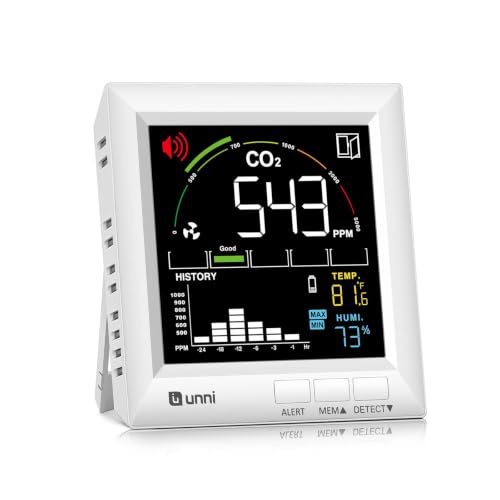
CO2 Monitor with Temp & Humidity, 3 alarm volumes
U UNNI
Mid-Range
Temtop Indoor Air Quality Monitor with temp & humidity
Temtop
Budget
Temtop Smart Air Quality Monitor S1+
Temtop
Mid-Range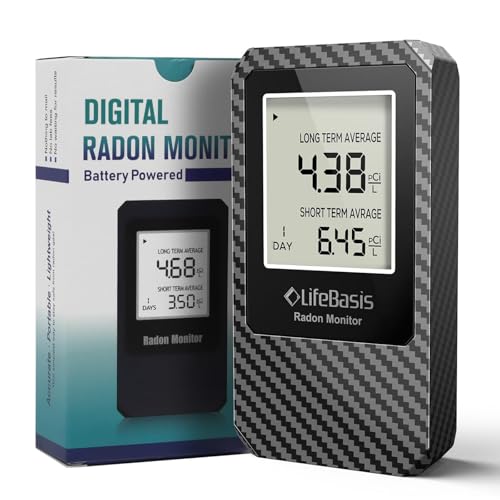
LifeBasis Radon Detector with long- and short-term readings
LifeBasis
Mid-Range
Newentor CO2 Monitor with temp & humidity display
Newentor
Mid-Range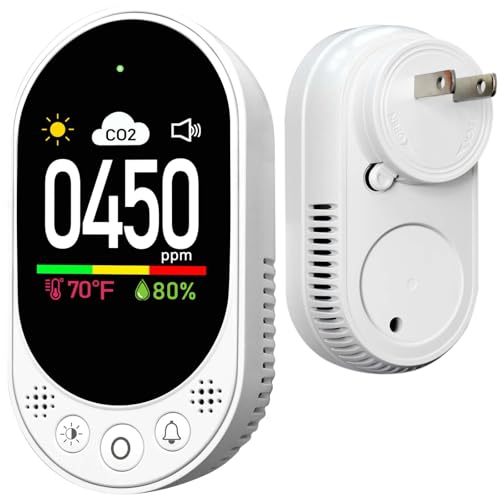
Upgraded CO2 detector plug-in with temp & humidity
LSENLTY
Mid-Range
12-in-1 Indoor Air Quality Monitor
Nanezan
Mid-Range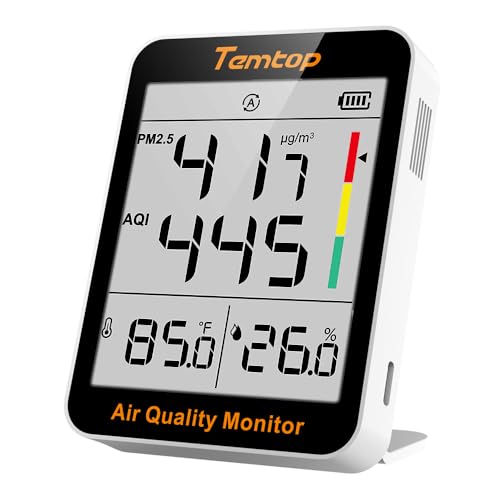
Temtop Indoor Air Quality Monitor S1
Temtop
Budget
11-in-1 air quality monitor with CO2/PM2.5/PM10/VOC and more
CIS
Mid-Range
LifeBasis 11-in-1 Indoor Air Quality Monitor
LifeBasis
Mid-Range
5-in-1 Indoor Air Quality Monitor
PERFORMANCE GURU
Mid-Range
Air Quality Monitor Indoor 8-in-1 with CO2, TVOC, HCHO, AQI, temp & humidity
22 HOBBIES
Mid-Range
SwitchBot CO2 Detector + air quality monitor
SwitchBot
Mid-Range
Newentor CO2 Monitor with temp & humidity, large display
Newentor
Mid-Range
LifeBasis Radon Detector for Home – 0-500 pCi/L, Battery Powered
LifeBasis
Mid-Range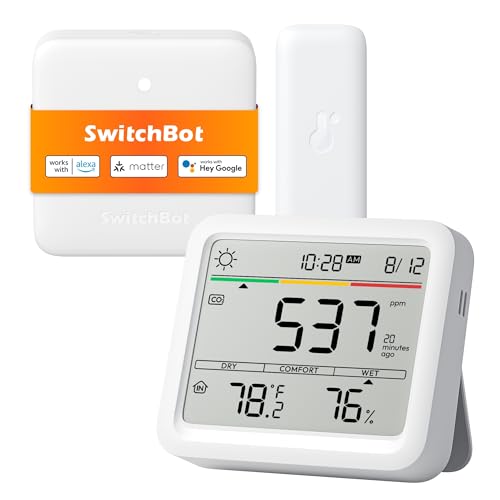
Air Quality Monitor Pro CO2 5-in-1 with large display
SwitchBot
Mid-Range
LifeBasis Radon Detector – portable home monitor
LifeBasis
Mid-Range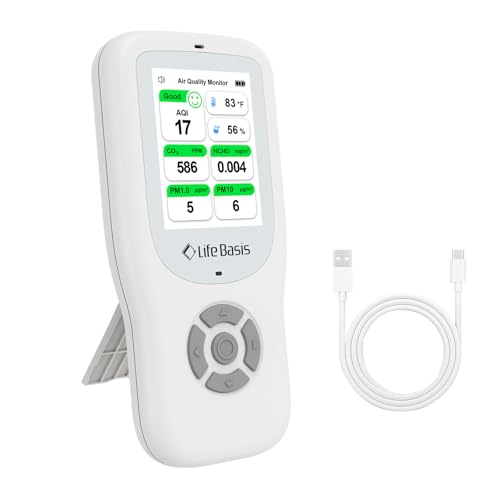
LifeBasis 11-in-1 Indoor Air Quality Monitor
Life Basis
Mid-Range
11-in-1 portable air quality monitor with stand
Bcetasy
Mid-Range
Newentor CO2 Monitor with temperature & humidity
Newentor
Mid-RangeRoundups
Frequently Asked Questions
What measurements should I look for when choosing an indoor air quality meter?
Look for meters that measure the pollutants important to your situation: PM2.5/PM10 for particulate matter, CO2 for ventilation, VOCs for chemical emissions, temperature and humidity for comfort, and optionally formaldehyde (HCHO) or CO for combustion risk
How accurate are consumer indoor air quality meters and how do I compare them?
Accuracy varies by sensor type and calibration; electrochemical sensors are common for gases, optical sensors for particulates. Compare specifications like detection range, resolution, stated accuracy or error margin, and whether the device offers periodic calibration or references to laboratory standards
What features are most useful for everyday home or small-workshop use?
Useful features include multi-parameter display (PM2.5, CO2, VOCs, temp/humidity), real-time readings with trend/graphing, alarm thresholds, battery operation or USB power, data logging or app connectivity, and a clear, easy-to-read interface
How much should I expect to spend and what do price tiers generally offer?
Budget meters under about (price varies) typically cover basic PM and VOC or CO2 estimates; mid-range models (roughly $50–$200) commonly offer multiple sensors, better accuracy, and data logging; higher-priced professional units provide laboratory-grade sensors, formaldehyde/CO detection, and calibration services
Can I trust a portable meter for long-term monitoring, or do I need a fixed monitor?
Portable meters are useful for spot checks and testing different rooms, while fixed monitors give continuous long-term data; choose portable for flexibility and fixed devices if you need continuous alerts and long-term trend analysis
How should I maintain and calibrate an indoor air quality meter?
Follow manufacturer recommendations: keep sensors clean and dry, replace particulate inlets or filters if specified, avoid exposure to extreme temperatures or high humidity, and use built-in calibration routines or professional calibration services when accuracy drifts
Are smartphone apps and data logging important when selecting a meter?
Apps and data logging are helpful for tracking trends, exporting data, and receiving alerts; they add value if you want historical records or remote monitoring, but are less critical for simple spot measurements