Industrial Drive Timing Belts
Industrial drive timing belts for power transmission in machinery, available in various tooth profiles, materials, and sizes for synchronous drive applications. Category averages 37 indexed products, a 4.5-star rating, mid-range prices (about $32–$119) and includes brands such as BESTORQ
Top Products
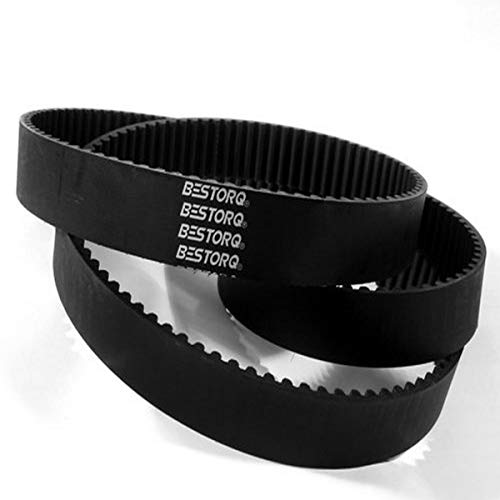
BESTORQ 8M Timing Belt, 8M pitch, 112 teeth, 896 mm circumference
BESTORQ
Budget
BESTORQ 8M Timing Belt, 8M pitch, 880 mm circumference
BESTORQ
Budget
8M Timing Belt, 1264 mm OD, 20 mm wide
BESTORQ
Budget
BESTORQ HTD Timing Belt 240mm x 15mm x 3.6mm, 5mm pitch, 48 teeth (pack of 3)
BESTORQ
Budget
BESTORQ 1728-8M-20 Timing Belt, 1728 mm, 20 mm wide
BESTORQ
Mid-Range
HTD timing belt 450-5M-15, 2-pack, 90 teeth, 15mm width
BESTORQ
Budget
BESTORQ timing belt 1700mm 15mm wide 5mm pitch
BESTORQ
Budget
BESTORQ 1200-8M-20 timing belt, 1200mm circumference
BESTORQ
Mid-Range
BESTORQ 680-8M-30 timing belt, 8M pitch, 680mm circumference
BESTORQ
Mid-Range
BESTORQ timing belt 8M, 576 mm circ, 30 mm width, 72 teeth
BESTORQ
Budget
BESTORQ HTD Timing Belt 225-5M-15, 4-pack, 225mm x 15mm
BESTORQ
Mid-Range
BESTORQ 1420×15 timing belt, 284 teeth, 5 mm pitch
BESTORQ
Budget
BESTORQ Timing Belt 420-5M-15 HTD 84T 3-pack
BESTORQ
Mid-Range
BESTORQ timing belt 1552 mm x 20 mm, 8M pitch, 194 teeth
BESTORQ
Budget
BESTORQ 360-5M-15 HTD Timing Belt, 360mm x 15mm x 3.6mm, 5mm Pitch, 72 Teeth (pack of 3)
BESTORQ
Budget
BESTORQ HTD Timing Belt 800mm x 15mm, 3.6mm high, 5mm pitch, 160 teeth (pack of 2)
BESTORQ
Mid-Range
BESTORQ 680-8M-50 timing belt, 680mm circumference
BESTORQ
Mid-Range
BESTORQ 425-5M-15 HTD Timing Belt 425mm x 15mm x 3.6mm, 85 Teeth, Pack of 2
BESTORQ
Budget
BESTORQ 2250-5M-15 HTD timing belt, 2250mm x 15mm x 3.6mm, 5mm pitch, 450 teeth
BESTORQ
Mid-Range
BESTORQ 425 HTD Timing Belt 5mm pitch, 3-pack
BESTORQ
Mid-Range
BESTORQ 8M Timing Belt 1000 mm x 30 mm x 8 mm 125 teeth
BESTORQ
Mid-Range
BESTORQ timing belt 2350mm x 15mm x 3.6mm 5mm pitch
BESTORQ
Mid-Range
BESTORQ timing belt 550 HTD, 110 teeth, 3-pack
BESTORQ
Mid-Range
BESTORQ 8M Timing Belt, 8M pitch, 896 mm circumference, 30 mm width
BESTORQ
Mid-RangeRoundups
- Best Industrial Drive Timing Belts for Vacuum Cleaner Drive (2026)
- Best Industrial Drive Timing Belts for Industrial Drive Systems (2026)
- Best Industrial Drive Timing Belts for Water Pump Belt Replacement (2026)
- Best Industrial Drive Timing Belts for Vacuum Cleaner Belt Replacement (2026)
- Best Industrial Drive Timing Belts Under $200 (2026)
- Best Industrial Drive Timing Belts Under $100 (2026)
- Best Industrial Drive Timing Belts Under $50 (2026)
- Best Industrial Drive Timing Belts (2026 Guide)
Frequently Asked Questions
How do I choose the correct timing belt size for my industrial machine?
Measure the belt's pitch (distance between tooth centers), tooth profile, belt width, and total length or refer to the machine's manual/spec plate; match all dimensions to the replacement belt specifications to ensure proper fit and tooth engagement
What materials and tooth profiles should I consider for different applications?
Common materials are neoprene or polyurethane with fiberglass or steel cord reinforcement; neoprene is common for general use while polyurethane offers higher abrasion and chemical resistance. Tooth profiles (e.g., HTD, AT, T) must match the pulleys and are chosen based on torque, speed, and accuracy requirements
How long do industrial timing belts typically last and what affects their lifespan?
Lifespan varies widely—many belts last thousands of operating hours; factors that shorten life include misalignment, improper tension, contaminant exposure (oil/chemicals), extreme temperatures, and incorrect installation or pulley wear
How should I install and tension a timing belt to avoid premature failure?
Follow manufacturer torque and tensioning guidelines: ensure pulleys are aligned, set tension within recommended range using a tension gauge or deflection method, avoid forceful bending or twisting, and rotate the system by hand to check for smooth engagement before full operation
Can I reuse an old timing belt or is it better to replace it during maintenance?
Inspect reused belts for cracks, tooth wear, glazing, or reinforcement cord damage; if any degradation is present or the belt has exceeded recommended service life, replace it—many technicians replace belts during scheduled maintenance to prevent unexpected downtime
What inspection and preventive maintenance steps reduce downtime?
Regularly inspect for wear, proper tension, pulley condition, and contaminants; keep drive components clean, maintain correct alignment, replace belts and pulleys as a matched set when worn, and log service intervals to anticipate replacements before failure
What price range can I expect for industrial timing belts and how should cost influence my choice?
Prices commonly range from budget options under $50 to several hundred dollars for specialty or reinforced belts; balance cost against required material, cord reinforcement, precision, and expected service life—investing in a higher-quality belt can reduce replacement frequency and downtime