Industrial Hand Tools
Industrial hand tools for cutting, crimping, measuring and general trade work, including pliers, cable cutters, levels and specialty installers’ tools. Products span budget through mid-range options (14 items; avg rating 4.64) with average price around $113 and brands like KNIPEX represented
Top Products

IRWIN VISE-GRIP 8-in self-adjusting wire stripper
IRWIN
Mid-Range
16 inch on-center stud layout tool
Octina
Mid-Range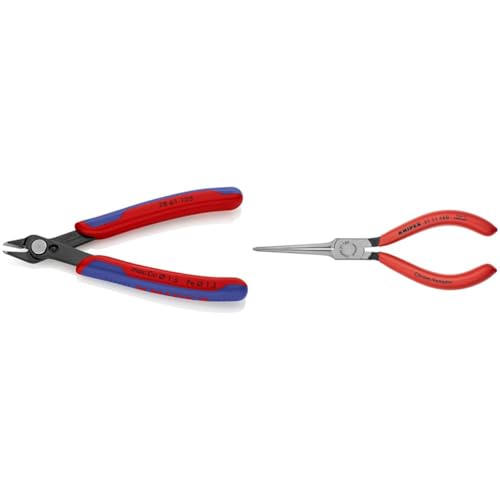
KNIPEX Electronics Super Knips & Needle Nose Pliers Bundle
KNIPEX
Mid-Range
Roberts Economy Adjustable Knee Kicker, Black
ROBERTS
Mid-Range
KNIPEX Electronics Super Knips & Electrician's Shears Bundle
KNIPEX
Mid-Range
KNIPEX Alligator Pliers Set (7, 10, 12) + Klein Wire Cutter & Wire Stripper
KNIPEX
Premium
KNIPEX Electronics Super Knips 74 22 200 Comfort Grip Diagonal Cutter
KNIPEX
Mid-Range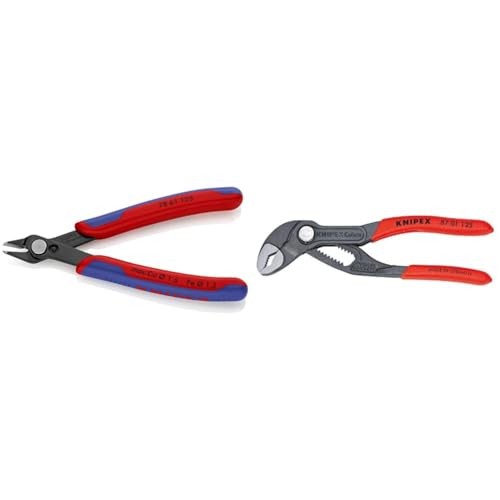
KNIPEX Cobra Water Pump Pliers, 5-Inch, Red/Silver
KNIPEX
Mid-Range
KNIPEX mini pliers wrench set & long-arm hex key set
KNIPEX
Premium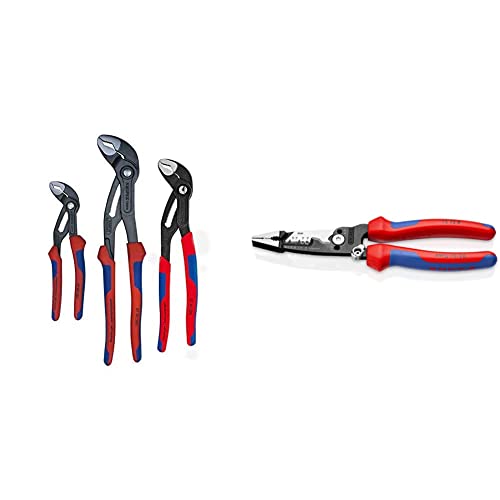
KNIPEX Cobra Pliers 3-piece + Wire Stripper bundle
KNIPEX
Premium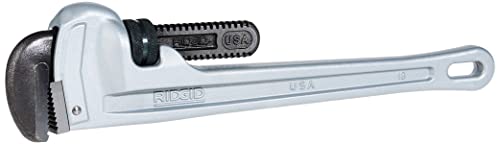
RIDGID stainless steel tubing cutter 1/4 in to 1-3/8 in with X-CEL knob
RIDGID
Premium
Jonard Tools TTBW-158 Steel Barrel Fastener Plunger Tool
Jonard Tools
Mid-Range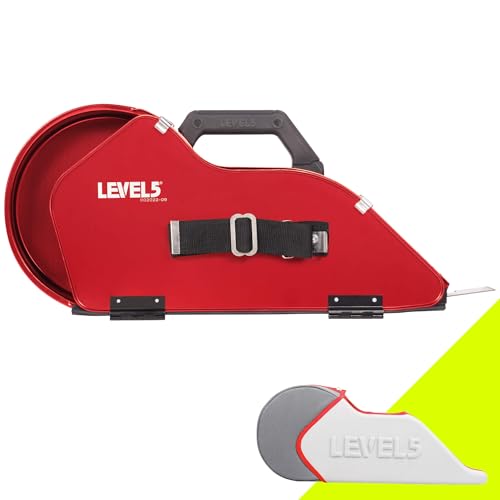
LEVEL5 Semi-Automatic Drywall Banjo Taping Tool
LEVEL5
Premium
Ratchet Set 28-pc, 1/4 in drive, SAE/metric
Wera
PremiumRoundups
Frequently Asked Questions
How do I choose the right industrial hand tool for my task?
Match the tool type to the task (cutting, gripping, measuring, fastening, prying), check material and build quality (forged steel, hardened edges, corrosion-resistant finishes), ensure the size and ergonomics suit your hand and workspace, and verify any required standards (ANSI, ISO) or electrical insulation ratings if relevant
What factors affect durability and how can I compare brands?
Look for tool steel grade, heat treatment, joint construction (riveted vs. welded), finish (chrome, powder coat), and warranty terms; compare average customer ratings and common failure modes rather than single features to assess long-term durability across brands
What is a reasonable price range for quality industrial hand tools?
Individual hand tools commonly range from under $20 for basic items to several hundred dollars for specialty or heavy‑duty tools; professional-grade tools typically average in the low to mid hundreds across a collection, while budget options are available under $50
Which safety and compliance features should I look for?
Check for appropriate safety ratings such as insulated handles rated to specific voltages for electrical work, non-slip grips, safety locks on cutting tools, and adherence to standards like ANSI or ISO where applicable
How should I maintain and store industrial hand tools to extend their life?
Clean tools after use, remove moisture and apply a light protective oil to metal surfaces, sharpen cutting edges as needed, tighten or replace worn fasteners and pivots, and store tools in a dry, organized tool chest or rack to prevent damage and corrosion
When is it worth buying a higher-priced professional-grade tool instead of a cheaper option?
Choose professional-grade tools if you use them daily, need higher precision, require better durability under heavy loads, or rely on warranty and service; for infrequent light-duty use, lower-cost alternatives can be acceptable
What should I check in the product description before buying?
Verify the tool's material and hardness, dimensions and weight, included accessories, compatibility with workpieces or fasteners, any listed safety ratings or standards, and the manufacturer's warranty or return policy