Industrial Pipes
Industrial Pipes covers metal and plastic piping, fittings, and flanges used for plumbing, HVAC, irrigation, and industrial fluid transfer. The 84-product category averages a 4.55 rating and mid-range prices (about $33–$121, average $53); top brands include GeilSpace and BIGREAT
Top Products
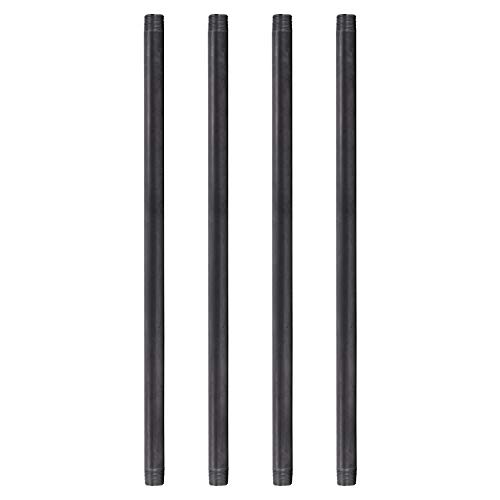
3/4 x 24 in Black Pipe (4 pack) for DIY furniture
PIPE DECOR
Budget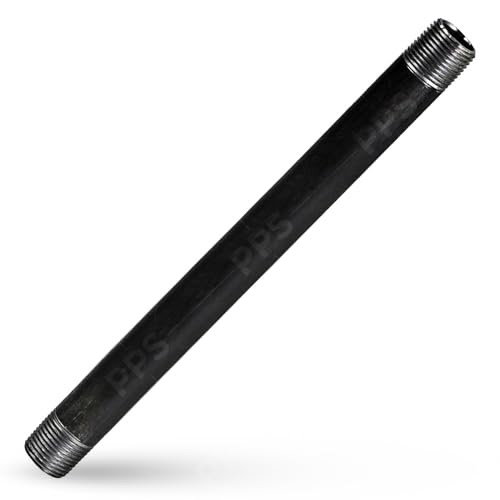
3/4 x 60 in black steel pipe, threaded nipple
SUPPLYGIANT
Mid-Range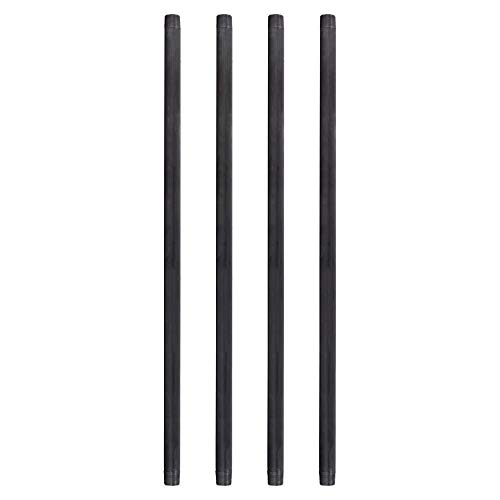
Pipe Decor 3/4 x 30 Black Pipe (4 pack)
PIPE DECOR
Mid-Range
GeilSpace 3/4" 28" Heavy Duty Steel Pipe - Grey, pre-cut, NPT 3/4" compatible
GeilSpace
Budget
GeilSpace 3/4" 24" Heavy Duty Grey Metal Pipe (Set of 4) - NPT 3/4" Threads
GeilSpace
Budget
GeilSpace 3/4" 30" Heavy Duty Pre-Cut Grey Metal Pipe
GeilSpace
Mid-Range
GeilSpace 6 Pack 1/2 in Black Steel Pipe, 36 in
GeilSpace
Budget
SupplyGiant 3/4 x 18 in black steel pipe set
SUPPLYGIANT
Mid-Range
GeilSpace 3/4" x 36" Heavy Duty Steel Pipe, Grey (set of 4)
GeilSpace
Mid-Range
SupplyGiant 3/4 in Black Steel Pipe 30 in (5-pack)
SUPPLYGIANT
Mid-Range
1-1/4" PVC Pipe, Furniture Grade, White, 40" x 4 Pack
letsFix
Mid-Range
GeilSpace 6 Pack 1/2" 42" Black Steel Pipe
GeilSpace
Mid-Range
Flex-Drain flexible landscaping drain pipe, solid, 4in x 25ft
Flex-Drain
Budget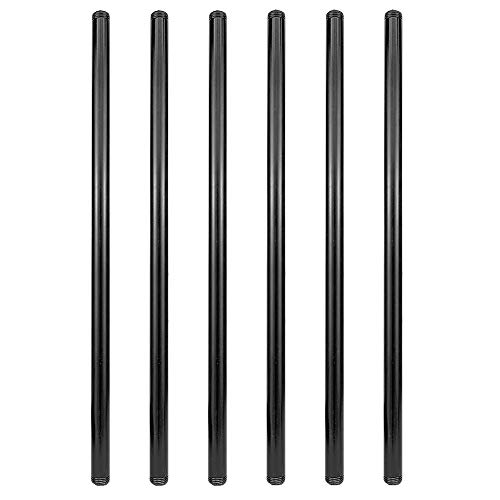
GeilSpace 6 pack 1/2" steel pipes, 30" long for industrial shelving
GeilSpace
Budget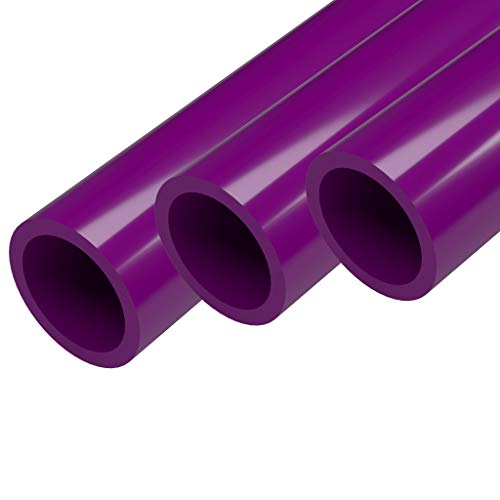
FORMUFIT PVC Pipe 1-1/4", 40"L, purple, 3-pack
FORMUFIT
Budget
FORMUFIT 1-1/4 in PVC Furniture Grade Pipe - 40 in length, 3-pack
FORMUFIT
Budget
3/4 x 24 in black steel pipe (5-pack) with threaded nipples
SUPPLYGIANT
Mid-Range
2.5'' mandrel straight exhaust pipe, 48'' length, 304 stainless
BIGREAT
Budget
3/4 x 36 in Black Steel Pipe (5-Pack) - Industrial Malleable Iron Pipes
SUPPLYGIANT
Mid-Range
GeilSpace 6-Pack 3/4" Black Industrial Pipe, 28"
GeilSpace
Budget
GeilSpace 6 Pack 3/4" Steel Pipe, 24" Length
GeilSpace
Budget
GeilSpace 6-pack 3/4" steel pipes, 30" long for DIY industrial shelves
GeilSpace
Mid-Range
QDCM1536 36" Pre-Cut Black Steel Pipe, 1-1/2" OD
SUPPLYGIANT
Budget
GeilSpace 3/4 in x 48 in heavy-duty pre-cut grey metal pipe
GeilSpace
Mid-RangeRoundups
- Best Industrial Pipes for Industrial Shelving (2026)
- Best Industrial Pipes for Diy Projects (2026)
- Best Industrial Pipes for Industrial-Style Shelving (2026)
- Best Industrial Pipes Under $200 (2026)
- Best Industrial Pipes Under $100 (2026)
- Best Industrial Pipes Under $50 (2026)
- Best Industrial Pipes (2026 Guide)
Frequently Asked Questions
How do I choose the right material and schedule for industrial pipes?
Select pipe material based on the media (water, chemicals, gas) and operating temperature; common materials are PVC/CPVC for corrosive liquids, steel (carbon or stainless) for high pressure or temperature, and copper for HVAC and potable water. Choose wall thickness or 'schedule' according to required pressure rating and applicable codes; consult pressure-temperature charts for the chosen material
What measurements and fittings do I need to order to ensure pipes fit correctly?
Measure required inside or outside diameter, wall thickness, and total length for each run, and confirm whether nominal pipe size or actual dimensions are used in your spec. Account for fittings (elbows, tees, couplings) and connection types (threaded, welded, flanged, grooved) and order compatible sizes and pressure ratings
What standards and certifications should I look for in industrial pipes?
Look for pipes and fittings that meet relevant industry standards such as ASTM, ASME, API, or ISO depending on the application, and ensure pressure ratings and material grades are specified; for potable water or food use, check NSF/ANSI or equivalent approvals
How do I maintain and inspect industrial piping systems to extend service life?
Establish a regular inspection schedule to check for corrosion, leaks, mechanical damage, and joint integrity; implement cleaning, cathodic protection, or coating maintenance as required and replace damaged sections promptly to prevent system failure
What are common connection methods and when should I use each?
Threaded and solvent-welded joints are common for small-diameter or low-pressure runs; welded or flanged connections are preferred for high-pressure, high-temperature, or removable sections; grooved couplings offer faster assembly for mechanical systems—choose based on pressure, accessibility, and code requirements
Are there special handling and storage requirements for pipes before installation?
Store pipes on flat, stable supports to prevent bending and off the ground to avoid moisture exposure; protect ends and threaded/finished surfaces from damage, and follow temperature and UV exposure limits for plastics to prevent material degradation