Installer Drill Bits
Installer drill bits for cutting and enlarging holes in drywall, wood, metal, and masonry used by electricians and general trades. The category averages a 4.17 rating across 10 indexed products with mid-range prices around $33–$48 and brands like YY-LC represented. Options span basic to mid-range tool grades
Top Products

Flexible 54-inch Wire Pulling Drill Bit, 3/4-inch Auger with Fish Eye
DKIBBITH
Budget
HUAALIUCHE 54-Inch Flexible Installer Drill Bit Kit
HUAALIUCHE
Mid-Range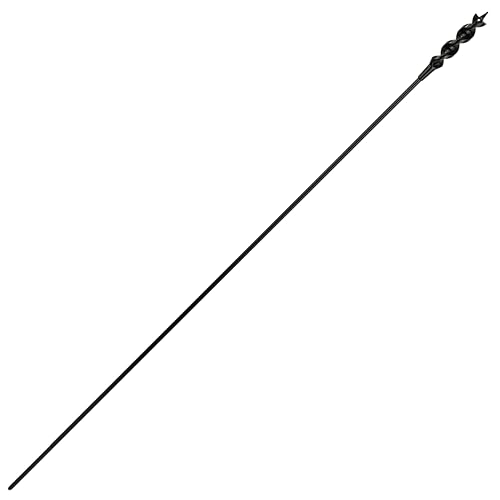
Greycore 3/4 in x 54 in flexible drill bit, wire pulling
Greycore
Budget
HUAALIUCHE Flexible Installer Drill Bit 9/16 x 54-Inch (2pcs)
HUAALIUCHE
Mid-Range
Flexible auger drill bit for wire pulling, 3/4 in x 36 in
YY-LC
Budget
Flexible drill bit for wiring with guide ball kit, 3/8 in x 54 in
YY-LC
Budget
Flexible drill bit for wire pulling with guide ball kit, 1/2 in. x 54 in. long
YY-LC
Budget
Flexible Drill Bit for Wire Pulling with Guide Ball Kit, 1/2 in x 3 ft
YY-LC
Budget
Flexible drill bit for wire pulling with guide ball kit, 3/4 in x 54 in
YY-LC
Budget
Flexible drill bit for pulling wires with guide ball kit, 9/16 in x 4.5 ft
YY-LC
BudgetRoundups
Frequently Asked Questions
How do I choose the right installer drill bit for the material I'm drilling?
Match the bit type and tip geometry to the material: carbide-tipped or diamond grit bits for masonry and tile, high-speed steel (HSS) or cobalt for metal, and brad-point or twist bits for wood; check diameter and length needed for the hole and ensure the shank is compatible with your drill chuck or quick-change holder
What size and shank type should I buy for my drill and fasteners?
Select a bit diameter that matches the pilot or clearance hole required by the fastener; choose a shank that fits your drill’s chuck (common are round, hex, and reduced-shank) or quick-change system, and verify length so the bit reaches the required depth without bottoming out
Are multi-bit sets worth it compared to single specialty bits?
Sets provide a range of sizes useful for general work and are cost-effective for homeowners, while single specialty bits (e.g., masonry carbide, long-diameter bits) are better when you need optimized performance or durability for a specific material or repetitive commercial use
How should I care for and store installer drill bits to maximize lifespan?
Keep bits clean and dry, remove debris after use, periodically sharpen or replace worn tips, store them in labeled cases to prevent chipping, and avoid overheating by using appropriate speed and cutting lubricant for metals
What safety and performance features should I look for?
Look for features like carbide or cobalt construction for wear resistance, split-point or pilot tips for reduced walking, flute design for efficient chip removal, and proper labeling of sizes and material compatibility to reduce mistakes and improve safety
How do I interpret ratings and price when comparing installer drill bits?
Use average ratings to gauge general satisfaction but read reviews for comments on durability and performance; expect a wide price range—budget multi-packs under $50 and higher-cost specialty bits—and weigh cost against expected frequency of use and material hardness
Can I use the same bit for both hammer drills and standard drills?
Only use bits rated for hammer or rotary hammer use (typically masonry bits with carbide tips) in percussion mode; bits not rated for hammer action may chip or fail, so check manufacturer specifications before switching drill modes