Knife Blades
Knife Blades in Tools & Industrial covers replacement and utility blades for cutters, shears, and specialty knives, including OLFA and Jonard Industries offerings. The 10 indexed products average a 4.64 rating and span mid-range prices (about $34–$55, average $41)
Top Products
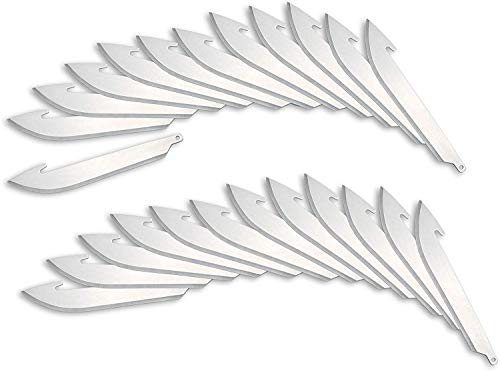
Outdoor Edge 3.5" RazorSafe replacement knife blades, 24-pack
OUTDOOR EDGE
Budget
Outdoor Edge 3.5" RazorSafe Replacement Blades 24-pack
OUTDOOR EDGE
Mid-Range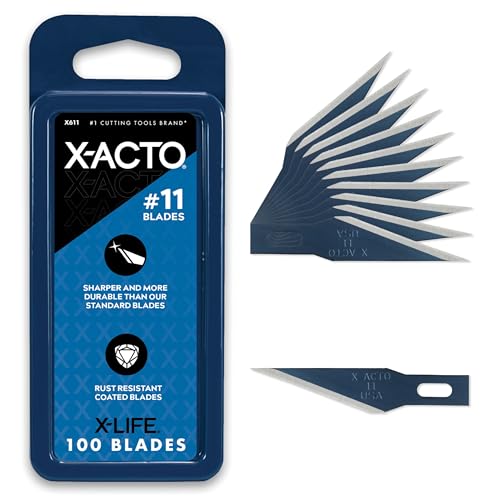
X-ACTO Knife Blades #11, Fine Point, Pack of 100
X-Acto
Budget
OLFA 18mm heavy-duty snap-off replacement blades (50 blades)
OLFA
Budget
40Pcs 25mm SK2H Ultra Sharp Replacement Blades (4 Pack) for 25mm Box Cutters
SUOBO TOOLS
Budget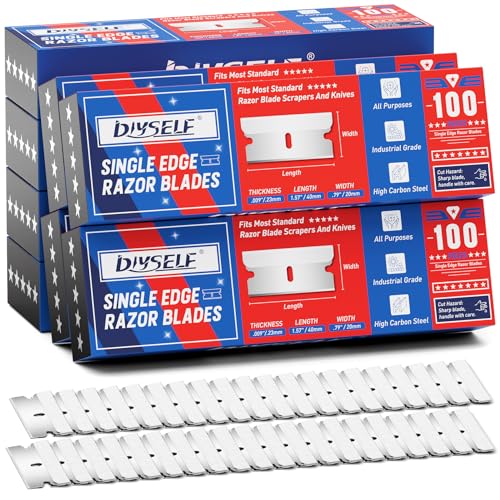
DIYSELF Single Edge Razor Blades (800-pack) for Scraping
DIYSELF
Budget
Replacement blades for FOD-2000 Fiber Drop Slitter (pack of 25)
Jonard Industries
Mid-Range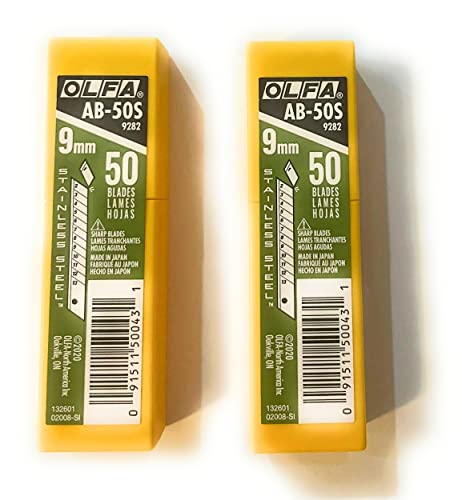
OLFA 9282 AB-50S 9mm Stainless Steel Snap-Off Blade 50-Pack (2PACK)
OLFA
Mid-Range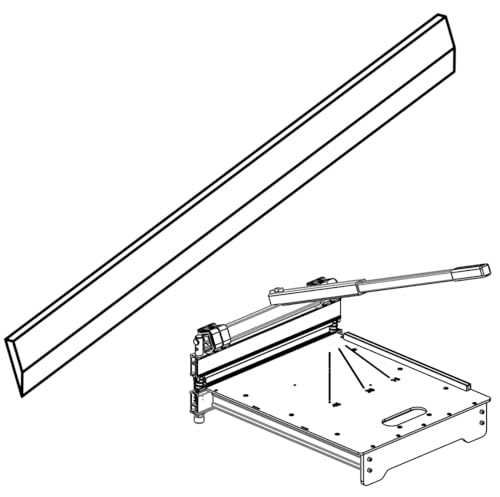
18" Replacement Blade for 18" Laminate Floor Cutter
CutTool Ltd.
Mid-Range
IVY Classic Heavy Duty Roofing Hook Blades 100-Pack
IVY Classic
Mid-RangeRoundups
Frequently Asked Questions
How do I choose the right knife blade for my task?
Match blade material and edge type to the task: high-carbon steel holds an edge longer for heavy cutting, stainless resists corrosion for wet environments, and disposable or utility blades suit scoring and general-purpose jobs; also consider blade thickness, length, and tip shape for precision vs. durability
What blade types and profiles are common in tools and industrial knife blades?
Common types include straight utility blades, hooked blades for roofing or carpet, serrated blades for fibrous materials, and specialty profiles for pruning, deburring, or scraping; profile choice depends on cutting angle, material control, and safety needs
How much should I expect to spend on a quality replacement blade?
Replacement blades and packs in this category typically range from budget options under $20 for basic utility packs to $20–$100 for specialty or premium steel blades, with average product prices around the low tens of dollars
How do I maintain and store knife blades safely to prolong life?
Keep blades dry and clean after use, lightly oil carbon blades to prevent rust, store in original packaging or a blade dispenser to avoid damage and injury, and replace blades once dull rather than trying to force cuts that can cause chipping or breakage
Are there safety features I should look for when buying blades or blade-equipped tools?
Look for blades with secure locking mechanisms in holders, blunt-tip or hooked options for specific tasks to reduce puncture risk, and dispensers or retractable designs for safe handling and storage
Can all blades be sharpened, or are some meant to be disposable?
Many high-quality steel blades can be sharpened, but thin utility and snap-off blades are designed to be disposable for consistent edge geometry; sharpening feasibility depends on blade thickness, steel hardness, and intended use
How do blade material and hardness affect durability and edge retention?
Harder steels typically hold an edge longer but may be more brittle and harder to sharpen, while softer steels are tougher and easier to resharpen but require more frequent maintenance; stainless variants balance corrosion resistance with moderate hardness