Lab Beakers
Lab beakers for laboratory, educational, and light industrial use, available in glass and heat-resistant borosilicate and various sizes and graduations. The category includes 32 indexed products with an average rating of 4.54 and mid-range prices around $61. Top brands represented include Karter Scientific and Pyrex
Top Products

6pcs 500ml Upgrated Thick Glass Beakers, Low Form Set
Labvida
Budget
Beaker, Flask, and Graduated Cylinder Set (3.3 borosilicate glass) - 9 pieces
Karter Scientific
Mid-Range
EISCO 12-pack 500mL Beakers, PP, 10mL Graduations, Tapered Spout
EISCO
Budget
6pcs 600ml glass beaker set, low form with double scale
Labvida
Mid-Range
Griffin borosilicate glass beaker 1 L with spout (2 pk)
Pyrex
Budget
United Scientific 3000mL Beaker, low form with pour spout
United Scientific
Mid-Range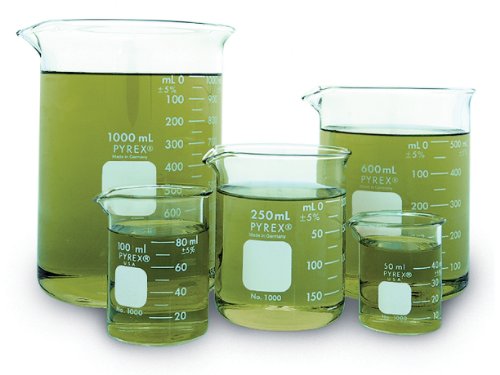
Corning Pyrex Griffin Low Form Beaker Set (Set of 5)
Pyrex
Mid-Range
250 ml Beaker, Low Form Griffin, Borosilicate 3.3, 12-pack
Karter Scientific
Budget
3 Pcs 1000ml Glass Beaker Set, 3.3 Borosilicate
Relaxweex
Budget
18 Pack Plastic Beakers, 1000 ml, PP Graduated Measuring Cups
ZOEYES
Budget
United Scientific 4 L Beaker, low form with pour spout
United Scientific
Mid-Range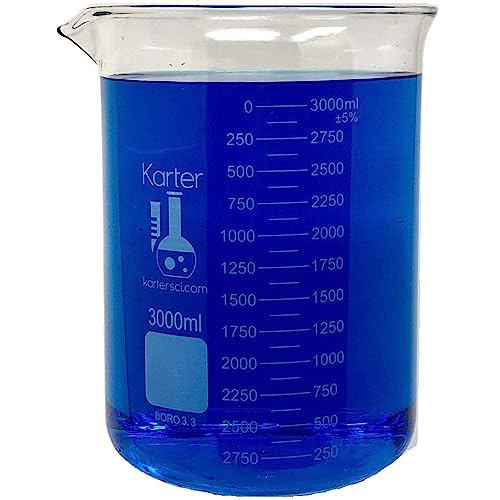
3L borosilicate beaker, double scale, 216mm h, 150mm dia
Karter Scientific
Budget
8 Pcs 500 ml Glass Beaker Set
Relaxweex
Budget
Griffin borosilicate glass beaker, low form with spout, 2L (2/pk)
Pyrex
Mid-Range
Sturdy 12-pack 10.15oz (300ml) Glass Beakers, 3.3 Borosilicate
Maccx Scientific
Budget
Beaker, 500ml, low form, borosilicate 3.3, 6-pack
Karter Scientific
Budget
8 Pcs 800 ml Glass Beaker Set, 3.3 Borosilicate with Spout
Relaxweex
Mid-Range
Sturdy 170oz/5000ml Glass Beaker, 3.3 Borosilicate, Low Form with Graduation
Maccx
Mid-Range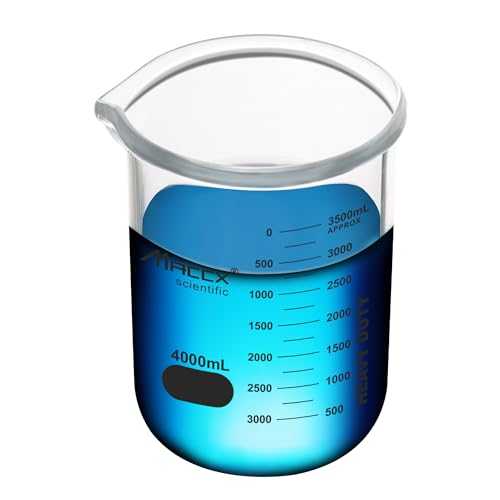
Sturdy 170oz/4000ml Glass Beaker, 3.3 borosilicate, printed graduation
Maccx
Mid-Range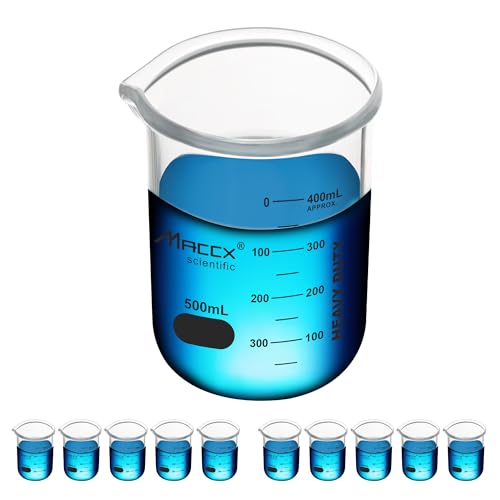
Sturdy 16.9oz Glass Beaker Set, 3.3 Borosilicate, Low Form with Graduations, Pack of 10
Maccx Scientific
Mid-Range
5000ml Borosilicate beaker, low form with graduations
Karter Scientific
Mid-Range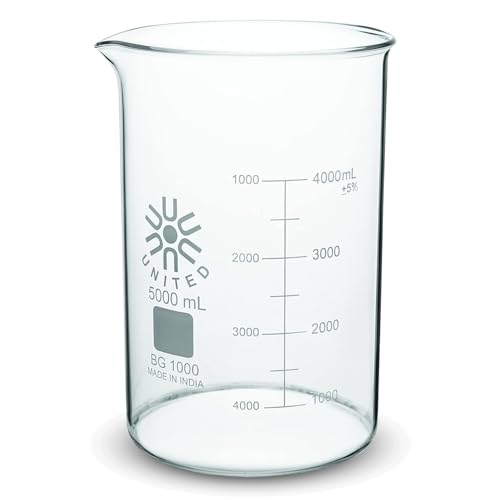
United Scientific 5 L Beaker, low form, 3.3 borosilicate
United Scientific
Mid-Range
Beaker, 2000ml low-form borosilicate glass, 130x190mm, 3.3
Karter Scientific
Mid-Range
Professional 500ml Glass Graduated Measuring Cup with Spout
Aimee_JL
BudgetRoundups
Frequently Asked Questions
How do I choose the right material for a lab beaker?
Choose borosilicate glass (e.g., Pyrex-style) for good thermal and chemical resistance; choose soda-lime glass for low-cost, non-critical uses; choose polypropylene or HDPE plastic for lightweight, shatter-resistant handling and when working with aqueous solutions that don’t require high heat or organic solvents
What size and capacity should I buy for general lab use?
Select capacities based on typical tasks: 50–250 mL for small reactions and measurements, 500–1000 mL for mixing and larger preparations, and multiple sizes for flexibility; consider the graduated markings and mouth diameter for pouring and stirring convenience
What features indicate good quality and durability in a beaker?
Look for uniform wall thickness, clear and accurate graduations, a well-formed spout, heat-resistant material (borosilicate), and manufacturing standards or lab-grade descriptions; thicker-walled and annealed glass resists thermal shock better
Are plastic beakers suitable alternatives to glass and when should I use them?
Plastic beakers (polypropylene, polystyrene) are suitable for routine mixing, temporary storage, and fieldwork due to impact resistance; avoid them for high-temperature heating and when working with strong organic solvents that can swell or dissolve plastics
How should I clean and store lab beakers to prolong their life?
Rinse promptly after use, use appropriate detergents and brushes for residue, avoid abrasive scrubbers on graduations, dry thoroughly to prevent water spots, and store upright on a stable rack or shelf to avoid chipping; follow solvent-specific cleaning procedures when needed
Do graduations on beakers provide accurate volume measurements?
Graduations on beakers are approximate and intended for rough volume estimates and mixing; use volumetric flasks, graduated cylinders, or pipettes when precise measurements are required
What safety considerations should I keep in mind when using lab beakers?
Wear appropriate PPE (gloves, goggles), heat glassware gradually to avoid thermal shock, use tongs or heat-resistant gloves for hot beakers, avoid rapid temperature changes, and inspect for chips or cracks before use to prevent breakage