Lab Dispensing Bottles
Lab dispensing bottles for labs and workshops, including plastic and glass squeeze bottles, wash bottles, and precision dispensers used for liquids and solvents. Average rating 4.63 across about 10 indexed products, with mid-range pricing (roughly $33–$65) and brands like BioRx Laboratories represented
Top Products

Black Boston Round 1 oz Dropper Bottles with Bamboo Caps
Focus Nutrition
Mid-Range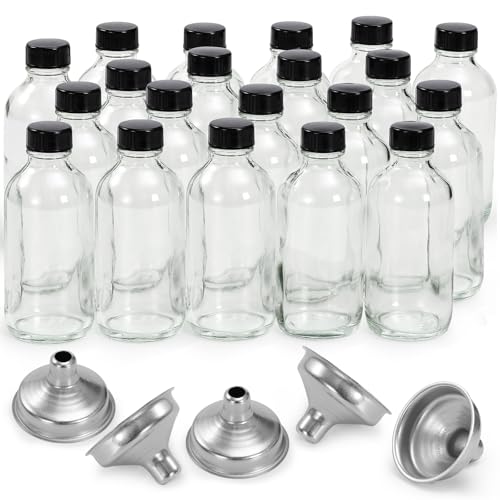
20 Pack 4oz Glass Bottles with Lids & 5 Funnels
AOZITA
Budget
Pharmacy oval bottle amber 16 oz with child-resistant caps
BioRx Laboratories
Mid-Range
Oil Sampling Bottle 4 oz PET, USA-made, 24-pack, 38-400 cap
LUBEFLEX
Mid-Range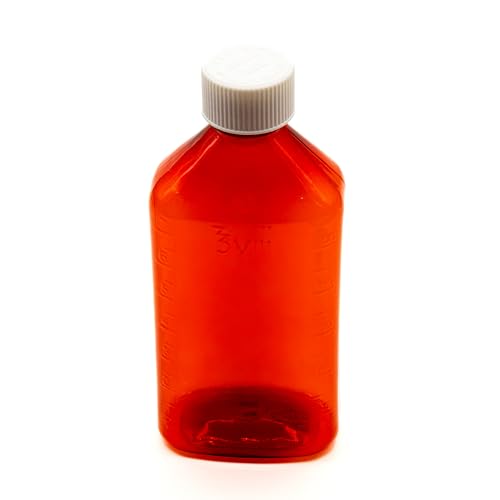
Pharmacy Oval Bottle Amber 8 oz with CR Caps (50) - Prescription Bottle
BioRx Laboratories
Mid-Range
Amber 2oz oval medicine bottles with child resistant caps
Vakly
Mid-Range
Pharmacy oval bottle with child-resistant caps, 4 oz
BioRx Laboratories
Mid-Range
Pharmacy oval bottle with child-resistant caps (12 oz) - 50 count
BioRx Laboratories
Mid-Range
Pharmacy oval bottle amber 1 oz with caps included
BioRx Laboratories
Mid-Range
Glass Bottle Outlet 8 oz Amber Boston Round Bottles (Pack of 48) with Black Poly Cone Cap
GlassBottleOutlet
Mid-RangeRoundups
Frequently Asked Questions
How do I choose the right material (glass vs. plastic) for a lab dispensing bottle?
Choose glass if you need chemical resistance, solvent compatibility, or low permeability; choose plastic (typically HDPE, LDPE, or PP) for impact resistance, lower cost, and lighter weight. Check chemical compatibility charts for specific reagents and consider factors like autoclaving, transparency, and vapor permeability
What dispensing cap types are available and which should I pick?
Common cap types include screw caps, flip-top lids, LDPE/HDPE dispensing nozzles, and needle or pipette adapters; pick a cap based on flow control needs, spill prevention, and whether you require a fine dropper, wide pour, or connection to tubing. Also verify thread size compatibility (e.g., 28-400) with caps and accessories
What sizes and volume accuracies are typical for lab dispensing bottles?
Dispensing bottles commonly range from 30 mL to several liters, with smaller bottles offering better control for drops and larger bottles used for storage and bulk dispensing; they are intended for approximate dispensing rather than analytical volumetric accuracy, so use calibrated glassware for precise measurements
How should I clean and sterilize dispensing bottles to avoid contamination?
Clean bottles with appropriate detergents and brushes, rinse thoroughly, and sterilize per material tolerance: glass bottles can be autoclaved, while some plastics may tolerate chemical sterilants (70% isopropyl alcohol, bleach solutions) or low-temperature sterilization; always follow reagent and manufacturer compatibility guidance
Are there compatibility or safety concerns I should check before use?
Verify compatibility of bottle material and cap with stored chemicals (acids, bases, solvents), ensure caps provide a leak-tight seal for volatile liquids, and confirm whether grounding or flame-resistant containers are needed for flammable liquids; label bottles clearly with contents and hazard information
What should I expect price-wise and how to balance cost vs. quality?
Prices vary by material, size, and cap complexity; budget options often cost under $50 for simple plastic bottles, while specialized glass bottles or bottles with precision dispensing caps cost more. Balance initial cost against durability, chemical compatibility, and replacement frequency for total lifecycle value
Can dispensing bottles be used with pumps or tubing attachments?
Many bottles accept tubing, pump adapters, or specialized caps designed for tubing connections; confirm neck/thread size and compatibility of the adapter with both the bottle and the pump or tubing to ensure a secure, leak-free fit