Lab Geiger Counters
Laboratory Geiger counters and related radiation-detection tools for industrial and research use, covering budget through mid-range handheld and desktop units. The category includes circa 12 indexed products with an average rating of 4.35 and an average price near (price varies). Brands include Radiacode and FNIRSI among others
Top Products

GMC-300S Digital Geiger Counter with Dosimeter
GQ Electronics LLC
Mid-Range
Geiger Counter Nuclear Radiation Detector with Click Alarm, MOESAPU FS-600
MOESAPU
Mid-Range
Geiger counter nuclear radiation detector CHNADKS
CHNADKS
Mid-Range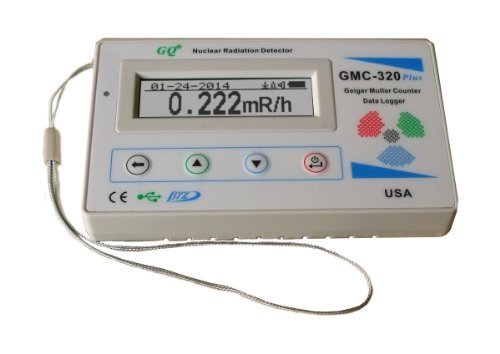
GQ GMC-320 Plus Geiger Counter and Data Recorder
GQ
Mid-Range
Geiger Counter Nuclear Radiation Detector MOESAPU
MOESAPU
Mid-Range
Geiger Counter Nuclear Radiation Detector FNIRSI GC-01
FNIRSI
Mid-Range
Geiger Counter Nuclear Radiation Detector - Portable Gamma Beta X-ray Monitor
Sooguard
Mid-Range
Geiger counter radiation detector with LCD display
Shenzhen FINRSI Technology Co.,Ltd
Mid-Range
Smart Geiger Counter Radiacode-102 with mobile app
Radiacode
Premium
Smart Geiger Counter Radiacode-103 with App
Radiacode
Premium
Nuclear Radiation Detector Geiger Counter with Real-Time Alarms
Mastfuyi
Budget
FNIRSI GC-03 3-IN-1 Geiger Counter EMF Detector
FNIRSI
Mid-RangeRoundups
Frequently Asked Questions
How do I choose the right Geiger counter for laboratory or industrial use?
Choose a device based on the radiation types and energy range you need to detect (alpha, beta, gamma, X-ray), required sensitivity (counts per minute or dose rate), detector type (Geiger-Müller tube vs. semiconductor), measurement units (µSv/h, mR/h, CPM), and features such as data logging, calibration options, and regulatory compliance for your industry
What should I expect to pay for a reliable lab-grade Geiger counter?
Lab and industrial Geiger counters commonly fall in a wide price band; basic handheld units often start below $50, while more feature-rich or higher-sensitivity instruments average around $90–$100 and professional-grade models can cost several hundred dollars depending on features and detector quality
Which specifications most affect measurement accuracy and sensitivity?
Key specs are detector type and size (larger GM tubes detect lower radiation levels), energy response range (which determines which radiations are measured accurately), background count rate and minimum detectable activity, and calibration traceability; lower background and a wider calibrated energy range improve real-world accuracy
Do Geiger counters require regular calibration and maintenance?
Yes—periodic calibration against a known radiation source or by an accredited lab is recommended to maintain accuracy; additionally, inspect and replace batteries, check for physical damage to the detector or probe, and store the instrument away from high humidity and extreme temperatures
Are there important accessories or features to consider when buying?
Consider accessories such as external probes, carrying cases, tripod mounts, and calibration sources; useful features include data logging/USB or Bluetooth export, audible alarms with adjustable thresholds, backlit displays, and selectable measurement units
Can a single Geiger counter detect all types of radiation reliably?
Most Geiger counters detect beta and gamma radiation well but have limited or no sensitivity to alpha radiation unless equipped with a specialized detector or an open window GM tube; for comprehensive detection include detectors or instruments specified for the radiation types you need
How do environmental factors affect Geiger counter readings?
Temperature, humidity, ambient pressure, and electromagnetic interference can affect detector performance and electronics; follow manufacturer operating ranges, allow the device to stabilize after large temperature changes, and avoid using near strong radio-frequency sources for best results