Lab Microscope Slides
Lab microscope slides and related glassware for specimen mounting and microscopic examination, sold in sets and specialty packs for teaching, research, and hobby use. The category spans budget to mid-range options (avg $57) with brands such as JECONE among the indexed sellers
Top Products

60 prepared microscope slides with specimens for education
LAKWAR
Budget
LAKWAR 120 prepared microscope slides with specimens
LAKWAR
Mid-Range
Science All-in-One Microscope Slide Prep Kit, 40 Pieces
Rs' Science
Budget
Karter Scientific 211Z2 Microscope Cover Slips, 22x22mm, 2000 pcs
Karter Scientific
Budget
120 prepared microscope slides with specimens for kids
PALOBIL
Mid-Range
120 Microscope Slides with Specimens: Plant, Insect, Animal & Algae Set
OOZSTAR
Mid-Range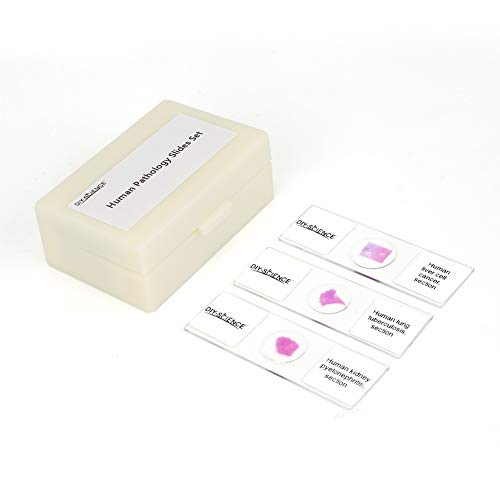
Prepared Human Pathology Microscope Slide Set, 12pcs
DIY-SCIENCE
Mid-Range
Prepared Human Tissue Anatomy Microscope Slides Set (17pcs)
DIY-SCIENCE
Mid-Range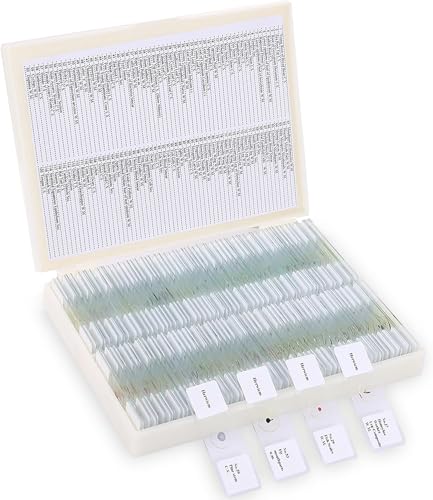
120-Pcs Microscope Slides with Specimens, Pre-Made Glass Slides
JECONE
Mid-Range
160-Pcs Microscope Slides with Specimens for Biology Class
JECONE
Mid-Range
Prolee 200 Slides Set: plants, animal tissues & labels in case
Prolee
Mid-Range
Labvida pre-cleaned white frosted microscope slides 72pcs/box, 20 boxes
Labvida
Mid-Range
Volu-Sol Microscope Immersion Oil Type A (Low Viscosity) 150 cSt
Volu Sol
Mid-RangeRoundups
Frequently Asked Questions
How do I choose the right type of microscope slides for my lab work?
Select slides based on material (glass for general use, frosted or coated glass for labeling, plastic for disposable or field work), thickness (standard 1 mm for most microscopes), and whether you need pre-cleaned, pre-cut, or specialized coatings (charged, poly-L-lysine) for specimen adhesion
What quantities and packaging should I look for when buying slides for a lab or classroom?
Buy slides in packs sized to your usage pattern—small packs (25–50) for occasional use, bulk packs (100–500) for classes or routine lab work—and choose protective packaging or slide boxes to reduce breakage and contamination during storage
Are there budget-friendly options and how do they differ from premium slides?
Budget slides are typically plain glass or plastic and are adequate for basic observation; higher-priced slides may offer better optical quality, uniform thickness, frosted labeling areas, or specialty coatings. Expect general-purpose slide packs to be priced in the low tens to low hundreds depending on quantity and features
What features affect optical quality and compatibility with my microscope?
Key features are glass type and flatness, uniform thickness (to avoid focal shift), and low autofluorescence for fluorescence microscopy; ensure slide dimensions and thickness are compatible with your microscope's stage and condenser
How should I store and care for microscope slides to prevent damage and contamination?
Store slides in a clean, dry slide box or rack, handle them by the edges or use gloves to avoid fingerprints, clean reusable slides with appropriate solvents and lint-free wipes, and label frosted ends with pencil or solvent-resistant markers
When should I use coated or specialty slides versus standard plain slides?
Use coated or specialty slides (e.g., charged, poly-L-lysine, adhesive, or low-autofluorescence) when mounting cells, tissue sections, or fluorescent samples that require improved adhesion, reduced background, or specific surface chemistry; plain slides suffice for most routine wet mounts and simple stains
Are plastic slides a suitable alternative to glass for microscopy?
Plastic slides are lighter and less breakable, suitable for teaching or field use, but they often have lower optical clarity, can scratch more easily, and may not be compatible with some immersion oils or high-resolution imaging, so choose based on the application