Lab Reagent Bottles
Lab reagent bottles for labs and industrial use, including glass and plastic reagent storage, reagent-grade media bottles, and screw-cap containers. About 20 products indexed with an average rating of 4.55 and mid-range pricing (roughly $32–$147); brands include Tatuo among others
Top Products

United Scientific Sample Containers with Lids - 16 oz wide-mouth polypropylene bottles
United Scientific
Budget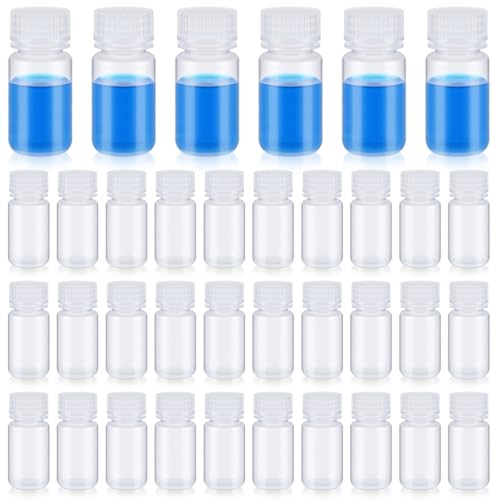
Tatuo 48 Pcs 2 oz Polypropylene Reagent Bottles with Screw Caps
Tatuo
Budget
United Scientific sample containers with lids - 8 oz wide-mouth bottles (pack of 12)
United Scientific
Budget
Hoolerry 20 Pcs 16oz Reagent Bottles with Lids (500 ml)
Hoolerry
Mid-Range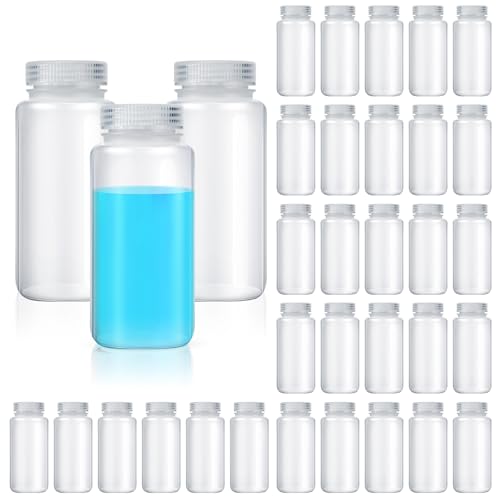
Hoolerry 36 pcs 16oz PP wide-mouth reagent bottles
Hoolerry
Mid-Range
Tatuo 48 Pcs 4 oz 125ml Polypropylene Pill Bottle Set
Tatuo
Mid-Range
30 Pcs 8oz Plastic Sample Bottles - Wide Mouth Reagent Bottles
Dapuri
Mid-Range
Tatuo 24 Pcs 8 oz Polypropylene Pill Bottle Containers with Caps
Tatuo
Budget
Tatuo 36 Pcs 8 oz Reagent Bottles with Screw Caps
Tatuo
Mid-Range
UNISTORE Sample Containers with Lids, 16 oz wide-mouth bottles (12-pack)
United Scientific
Budget
Tatuo 12 Pcs 32 oz Polypropylene Reagent Bottles with Screw Caps
Tatuo
Mid-Range
Tatuo 60 Pcs 4 oz 125ml Polypropylene Pill Bottle sample containers
Tatuo
Mid-Range
Hoolerry 16 oz PP Wide Mouth Reagent Bottles (48 pcs) with Lids
Hoolerry
Mid-Range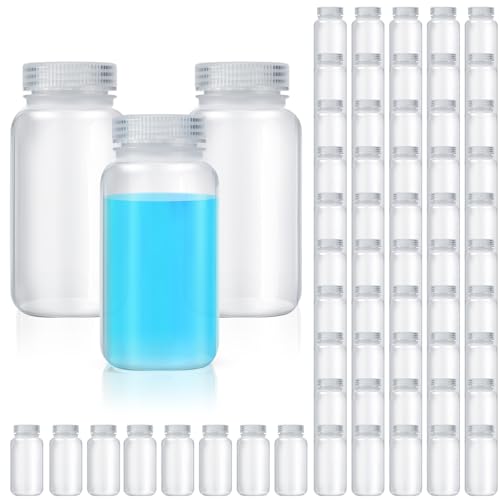
Tatuo 60 Pcs 8oz Wide Mouth Reagent Bottles
Tatuo
Mid-Range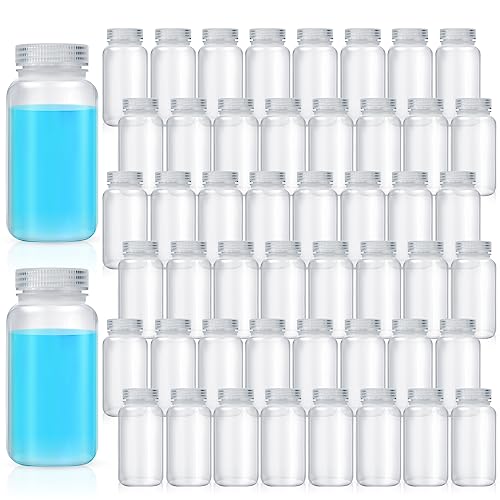
Tatuo 48 Pcs 8 oz 250ml Polypropylene Pill Bottle Reagent Containers with Screw Caps
Tatuo
Mid-Range
United Scientific Unistore sample containers with lid, 1 oz travel bottles
United Scientific
Budget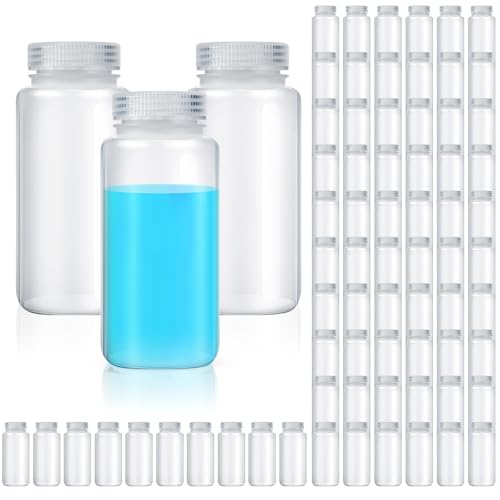
Hoolerry 72 Pcs 16oz Plastic Sample Bottles with Lids
Hoolerry
Premium
Tatuo 60 Pcs 16 oz PP Pill Bottle Reagent Containers with Screw Caps
Tatuo
Mid-Range
Tatuo 36 Pcs 33 oz PP Pill Bottle Reagent Containers with Lids
Tatuo
Premium
Tatuo 48 Pcs 1000ml Wide Mouth Reagent Bottles
Tatuo
PremiumRoundups
- Best Lab Reagent Bottles for Chemical Storage (2026)
- Best Lab Reagent Bottles for Lab Reagent Storage (2026)
- Best Lab Reagent Bottles for Reagent Organization (2026)
- Best Lab Reagent Bottles for Liquid Sample Shipments (2026)
- Best Lab Reagent Bottles Under $200 (2026)
- Best Lab Reagent Bottles Under $100 (2026)
- Best Lab Reagent Bottles Under $50 (2026)
- Best Lab Reagent Bottles (2026 Guide)
Frequently Asked Questions
How do I choose the right size and material for lab reagent bottles?
Select capacity based on the volume you handle and leave headspace for mixing; common sizes range from a few milliliters to several liters. Choose material by chemical compatibility: borosilicate glass for broad chemical and temperature resistance, high-density polyethylene (HDPE) or polypropylene (PP) for many aqueous and corrosive solutions, and fluoropolymers for highly aggressive chemicals
What closure types and features should I look for in reagent bottles?
Look for closures that match the bottle neck (screw caps, crimp tops) and include features you need: PTFE liners for chemical resistance, tamper-evident or child-resistant caps for safety, and septa-compatible caps for sampling or adding reagents without opening the bottle
How can I assess chemical compatibility and safety when storing reagents?
Consult chemical compatibility charts and the reagent's safety data sheet (SDS) to confirm container material and liner compatibility, avoid storing reactive pairs together, and ensure bottles are clearly labeled with substance identity, concentration, hazards, and date; consider secondary containment for corrosive or toxic liquids
Are there budget-friendly options and what price range should I expect?
Prices vary by material, size, and features; expect budget options under $50 for basic plastic bottles and average mid-range options around the tens to low hundreds for glass or specialty-lined closures. Buying in multipacks reduces per-unit cost for routine lab use
How should I clean and sterilize reagent bottles for reuse?
Rinse thoroughly to remove residues, use appropriate detergent and solvents for the specific contaminants, and sterilize compatible materials by autoclaving (for autoclave-safe glass and some plastics) or chemical sterilants; verify that caps and liners tolerate the chosen cleaning method
What labeling and tracking practices are recommended for reagent bottles?
Use durable, chemical-resistant labels or direct bottle marking, include reagent name, concentration, preparation date, expiration or discard date, and initials of preparer; consider barcode or QR labels for inventory and traceability in larger labs
When should I choose glass versus plastic reagent bottles?
Choose glass for thermal stability, low permeability, and storage of organic solvents or acids; choose plastic when breakage resistance, lower weight, and certain chemical compatibilities (e.g., aqueous solutions with HDPE) are priorities, keeping in mind plastics can absorb organics and may leach additives