Lab Sample Injection Syringes
Lab sample injection syringes are precision tools for dispensing and transferring small liquid volumes in clinical and laboratory settings, available in glass and plastic designs with fixed or removable needles. The category averages a 4.61 rating across 12 indexed products, priced roughly $33–$79, with brands like jiayoushot represented
Top Products

Bulk 100 Pack 20ml Plastic Syringes with Tip Cap
Oleitodh
Budget
50ml plastic syringes with catheter tip and cap, bulk pack
Oleitodh
Mid-Range
1ml Luer Lock Syringes with 23ga Needles, 100-pack, individually sealed
jiayoushot
Budget
1ml Luer Lock Syringe with 25Ga Needle, 100 Pack
jiayoushot
Budget
Reconstitution Solution 2-Pack - 30ml (10 Pack syringes included)
Aimsco
Budget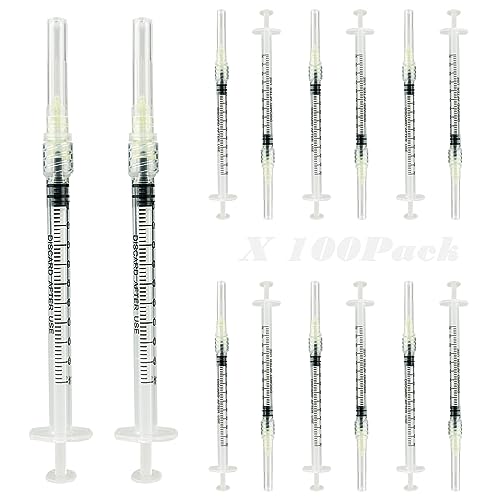
1ml Luer lock syringes with 30ga needles, 100-pack
jiayoushot
Budget
TrelaCo 100 Pieces Plastic Syringe Set with Caps, 10 ml, 5 Colors
TrelaCo
Budget
Veterinary 12cc Luer Slip Syringe, without needle, 100/box
Elimedical
Budget
Veterinary 12cc Luer Lock Syringe, without Needle, 100/box
Elimedical
Budget
Geiserailie 20 Pcs 150ml Plastic Syringes (No Needles) for Liquid Measuring
Geiserailie
Budget
Xuhal 200 Pcs 10ml Plastic Syringes, No Needle, Clear
Xuhal
Budget
Geiserailie 50Pcs 150ml Plastic Syringes (No Needles) for Liquid Measuring
Geiserailie
Mid-RangeRoundups
Frequently Asked Questions
What are the main types of lab sample injection syringes and how do I choose one?
Common types include glass vs. plastic barrels, fixed-needle vs. luer-lock/luer-slip fittings, single-use vs. reusable, and various volumes (microliter to milliliter). Choose based on chemical compatibility (use glass for organic solvents), required precision (syringes with finer graduations for small volumes), and connection type compatible with your instrumentation
What syringe volume and accuracy specifications should I consider for sample injection?
Select a syringe with a nominal volume close to the typical sample size to maximize accuracy (e.g., use a 10 µL syringe for ~5–10 µL injections). Check manufacturer specs for nominal accuracy and reproducibility; smaller-volume syringes generally offer finer resolution but may require more careful handling
How do I ensure chemical compatibility and avoid contamination?
Match barrel and plunger materials to your solvents and samples (glass and PTFE are broadly solvent-resistant; polypropylene may swell with some organics). Use single-use disposables for trace contamination-sensitive work or flush reusable syringes thoroughly with appropriate solvents and run blanks between sample types
What maintenance and cleaning steps keep injection syringes reliable?
For reusable syringes, disassemble per manufacturer guidance, flush with a solvent that dissolves residues, then rinse with a volatile solvent and dry. Inspect for damaged barrels, bent needles, and worn plungers; replace seals or the syringe if performance degrades
Are there safety or regulatory considerations when selecting syringes for lab use?
Consider sharps safety (use needle guards or retractable needles where appropriate) and choose materials compatible with sterilization methods if required. For regulated workflows, maintain documentation of calibration, lot numbers, and cleaning/decontamination procedures to meet audit requirements
How much should I expect to spend and how do I balance cost versus performance?
Lab injection syringes commonly range from low-cost disposable packs under $50 to higher-precision reusable syringes at higher prices; average price in this category is around $35–$45. Balance by prioritizing precision and chemical resistance for critical applications and using disposables for routine or contamination-sensitive tasks
How do I verify a syringe's performance before using it in critical analyses?
Perform a simple volume check by dispensing and weighing multiple aliquots to calculate mean delivered volume and reproducibility; inspect for smooth plunger action and air leaks. For trace work, run solvent blanks and calibration standards to confirm no carryover or contamination