Lab Vacuum Pumps
Lab vacuum pumps for laboratory and light industrial use, including rotary vane and diaphragm styles for filtration, degassing, and vacuum drying. Twelve products are indexed, averaging a 4.22 rating with prices from $40 to $485 and brands such as LeLuv and BACO ENGINEERING represented
Top Products

LeLuv Maxi Vacuum Pump with Gauge
LeLuv
Mid-Range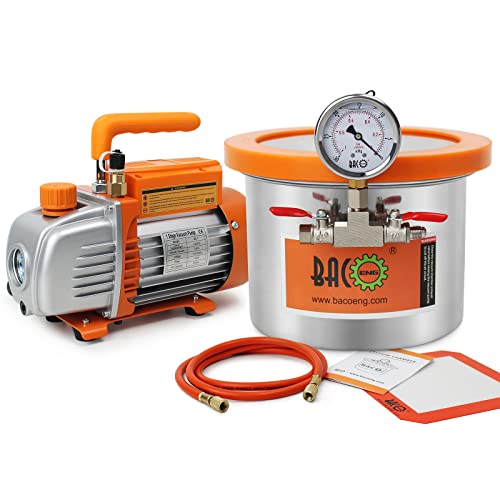
BACOENG 1.5 Gallon Vacuum Chamber with Pump, Degassing Kit
BACO ENGINEERING
Premium
LeLuv Maxi Vacuum Pump with Gauge, Manual Brass Pump
LeLuv
Mid-Range
LeLuv Vacuum Pump Maxi Ergonomic Nylon Handle
LeLuv
Mid-Range
2.5CFM 1/4HP Battery Vacuum Pump Kit for DeWalt 20V
Mayoki
Premium
BACOENG 3 Gallon Vacuum Chamber Kit with 3.6 CFM Pump
BACO ENGINEERING
Premium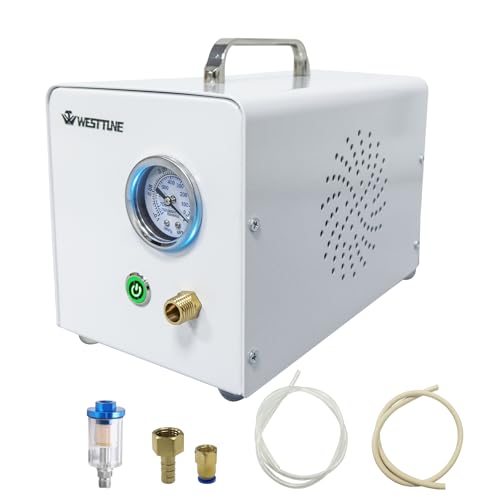
Lab Diaphragm Vacuum Pump - Portable, Oil-free, 10 L/min
WEST TUNE
Premium
Portable dental suction machine, 110V 1000mL
LyeXD
Premium
BACOENG 5 Gallon Vacuum Chamber with Pump and Tempered Glass Lid
BACOENG
Premium
Orion 2-stage vacuum pump 9 cfm 3/4 hp for HVAC servicing
Orion Motor Tech
Premium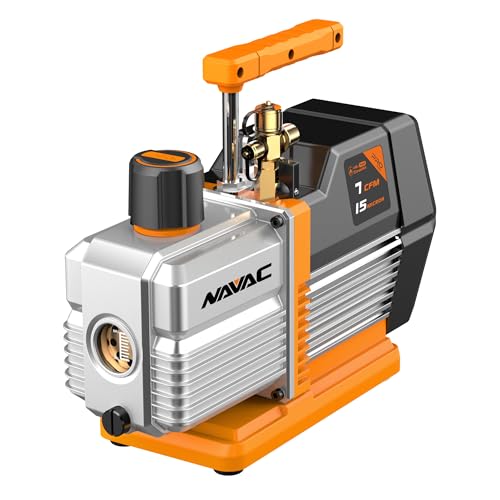
NAVAC dual-stage vacuum pump for HVAC with oil circulation
NAVAC
Premium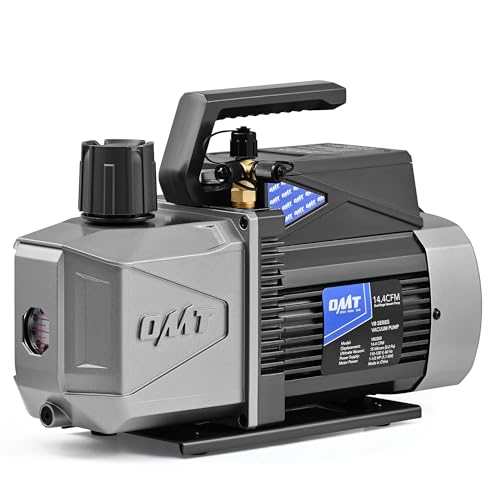
Orion Motor Tech 14.4 CFM 2-Stage Vacuum Pump
Orion Motor Tech
PremiumRoundups
Frequently Asked Questions
How do I choose the right lab vacuum pump for my application?
Choose based on required ultimate vacuum (mbar or Torr), flow rate (L/min or CFM), chemical compatibility with pumped gases or vapors, duty cycle (continuous vs intermittent), and footprint/noise limits; match pump type (diaphragm, rotary vane, oil-sealed, or scroll) to those needs
What vacuum level and flow rate do common lab tasks typically require?
Low-vacuum tasks like filtration and rotary evaporation often need 1–200 mbar and moderate flow rates, while higher-vacuum analytical tasks require lower pressures (sub-mbar) and lower flow; check your equipment specifications and choose a pump that meets both target pressure and sufficient throughput
Are oil-free (dry) pumps better than oil-sealed pumps for lab use?
Oil-free pumps (diaphragm or scroll) avoid oil contamination and require less maintenance for clean or corrosive samples, while oil-sealed pumps typically deliver deeper vacuums and smoother performance but need oil changes and generate oil mist and waste
What safety and chemical-resistance features should I look for?
Look for chemical-resistant wetted materials, inlet traps or cold traps to protect the pump from corrosive vapors, appropriate exhaust filtration or neutralization, and electrical safety certifications; use compatible tubing and valves to prevent leaks and degradation
How much maintenance do lab vacuum pumps need and what does it involve?
Maintenance varies by type: oil-sealed pumps require periodic oil changes, oil and particulate filter replacement, and leak checks; diaphragm and scroll pumps need occasional diaphragm/filter replacement and cleaning; follow manufacturer schedules and keep inlet traps in place
What noise, size, and power considerations affect lab placement?
Check decibel ratings for noise-sensitive environments, physical footprint and weight for bench or cabinet placement, and power requirements (voltage and current); consider vibration isolation and ventilation for heat and exhaust
How much should I expect to spend for a lab vacuum pump and how do I balance budget and performance?
Entry-level small pumps and oil-free models can be found in lower price bands, while higher-capacity, oil-sealed, or chemically resistant pumps cost more; balance initial cost with expected uptime, maintenance expenses, and whether oil-free operation or deeper vacuum is required