Lab Vortex Shakers
Lab vortex shakers for mixing and agitating small tubes and microplates, used in labs and industrial settings. Nineteen products indexed with an average rating of 4.53 and price range roughly $34–$93; ONiLAB is among the top brands
Top Products

ONiLAB Mini Vortex Mixer with Touch Function
ONiLAB
Mid-Range
ONiLAB Mini Vortex Mixer with Touch Start
ONiLAB
Budget
ONiLAB Mini Vortex Mixer with Touch Function, Blue
ONiLAB
Budget
ONiLAB Mini Vortex Mixer with Touch Function
ONiLAB
Mid-Range
ONiLAB Mini Vortex Mixer with Touch Function
ONiLAB
Mid-Range
ONiLAB Mini Vortex Mixer with Touch Function
ONiLAB
Mid-Range
ONiLAB Mini Vortex Mixer
ONiLAB
Budget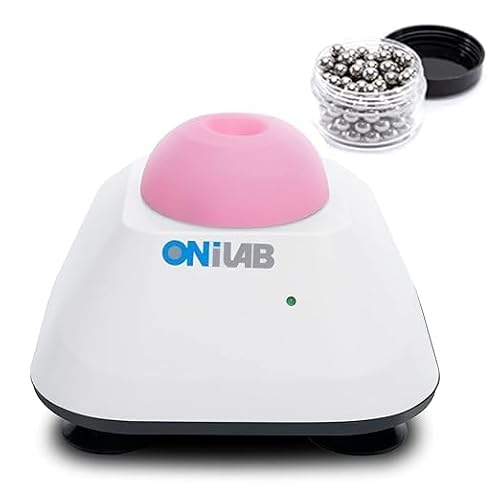
ONiLAB Mini Vortex Mixer with Touch Function (Pink) 120pcs balls
ONiLAB
Mid-Range
ONiLAB Mini Vortex Mixer with Touch Function, Green
ONiLAB
Budget
Rechargeable Vortex Mixer Lab Paint Shaker 4000 RPM
WEST TUNE
Mid-Range
Mini Vortex Mixer - 5600rpm Touch Lab Shaker for Paints
4E's Scientific
Mid-Range
Mini Vortex Mixer 3500rpm with Touch Start
SWDTLAB
Budget
Vortex Mixer 2400 RPM Lab Shaker by LABHOUSE
LABHOUSE
Mid-Range
Mini Vortex Mixer with Silicone Cap and Mixing Balls
FOUR E'S SCIENTIFIC
Mid-Range
Mini Vortex Mixer, fixed 5600 rpm, 3-leg stable base
FOUR E'S SCIENTIFIC
Mid-Range
Mini Vortex Mixer 5600rpm for Paints
FOUR E'S SCIENTIFIC
Mid-Range
Vortex Mixer Labhouse 2400 RPM with adjustable clamps
LABHOUSE
Mid-Range
Mini Vortex Mixer for Paint and Lab Shakers
GUNDDIYCLUB
Mid-Range
Mini Vortex Mixer for Paint Mixing
YUTO
Mid-RangeRoundups
- Best Lab Vortex Shakers for Eyelash Adhesive Mixing (2026)
- Best Lab Vortex Shakers for Acrylic Paint Mixing (2026)
- Best Lab Vortex Shakers for Tattoo Ink Mixing (2026)
- Best Lab Vortex Shakers for Nail Polish Mixing (2026)
- Best Lab Vortex Shakers Under $200 (2026)
- Best Lab Vortex Shakers Under $100 (2026)
- Best Lab Vortex Shakers Under $50 (2026)
- Best Lab Vortex Shakers (2026 Guide)
Frequently Asked Questions
How do I choose the right vortex shaker for my lab application?
Select based on sample type and throughput: choose small, compact units for single tubes and occasional use; orbital or multi-platform models for mixing multiple tubes or microplates; check maximum speed (rpm) and amplitude for the mixing intensity you need, and confirm compatibility with tube racks or adapters for your vessel sizes
What speed and performance specs should I look for?
Look at maximum and adjustable speed ranges (often expressed in rpm) and orbital diameter/amplitude to match agitation needs; also consider duty cycle, torque at low speeds, and whether the unit has variable speed control and digital readout for repeatability
Are there reliable budget options and what price range should I expect?
Lab vortex shakers commonly range from affordable basic models under $50 to more feature-rich units above $100; entry-level units typically provide simple single-tube mixing and variable speed, while higher-priced models add digital controls, multiple heads, or stronger motors
What safety and build features matter for long-term lab use?
Prioritize a stable base and non-slip feet to prevent movement, chemically resistant materials for contact surfaces, overload protection or thermal cut-off to protect the motor, and easy-to-clean designs to maintain contamination control
How do I maintain and extend the life of a vortex shaker?
Keep the unit clean and dry, avoid spilling corrosive liquids into the motor housing, periodically inspect and tighten attachments, operate within recommended duty cycles, and follow manufacturer guidelines for replacing worn rubber cups or adapters
What accessories and compatibility should I consider?
Check availability of interchangeable cups, tube racks, foam holders, microplate adapters, and mounting platforms; ensure accessory fit dimensions match your tube sizes, microplates, or flasks and that attachment mechanisms are compatible with the shaker model
How important is noise level and portability for choosing a shaker?
If the shaker will be used in shared or noise-sensitive spaces, compare reported or specified noise levels and prefer models described as low-noise; for mobile setups, consider compact weight and footprint as well as a secure power connection and anti-slip feet