Leak Detection Tools
This category covers handheld and shop-grade leak detection tools for HVAC, automotive, and industrial systems, including electronic sniffer sensors, dye kits, and bubble testers. Pricing is mid-range (about $35–$59 average $43) across 11 indexed products; notable brands include ComStar
Top Products
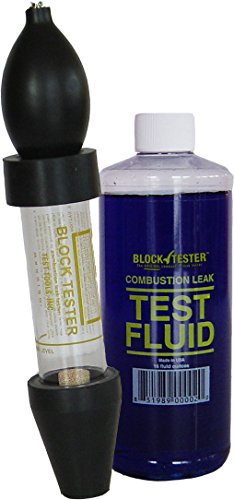
BT-500 Head Gasket Combustion Leak Test Kit
Block Tester
Mid-Range
ComStar Yellow Leak Bubbles detector for HVAC & gas
ComStar
Mid-Range
Green tracing dye for leak detection, 1 gallon
Bluewater Chemgroup
Budget
Arctic Hayes Smoke Pen Kit for Leak Testing (3 Smoke Sticks)
Arctic Hayes
Budget
ComStar Leak Bubbles Blue – HVAC & gas detector
ComStar
Mid-Range
S103 Regin Emitter: 10-pellet leak detection pack
Regin
Budget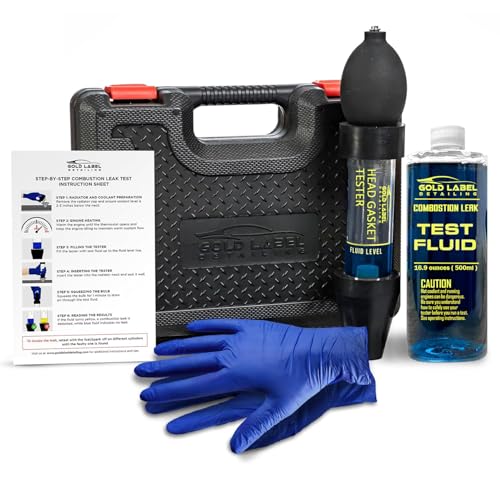
Combustion Leak Tester Kit for Engine Gaskets and Blocks
Gold Label Detailing
Mid-Range
Automotive smoke machine for EVAP leak testing (Model 701) - red
AutoLine Pro
Mid-Range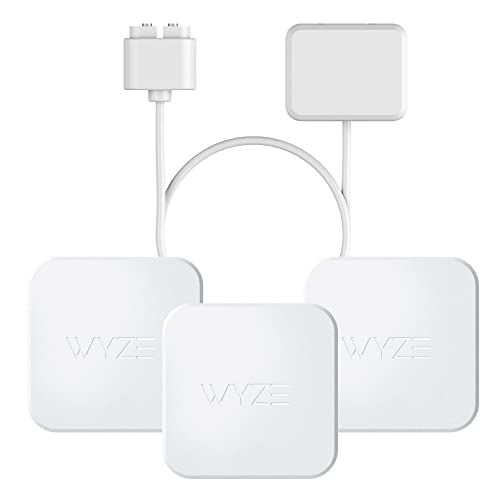
Wyze Leak Sensor (3 Pack) and Single Probe
WYZE
Mid-Range
Big Blu Micro Leak Detector 1 Gal, Blue
Refrigeration Technologies
Mid-Range
Marine water leak tracing tablets for harbor detection
New Resources Group
BudgetRoundups
Frequently Asked Questions
How do I choose the right type of leak detection tool for my application?
Select based on the medium (air, refrigerant, fuel, water), detection sensitivity needed, and access constraints; for general HVAC and refrigerant leaks use electronic refrigerant detectors, for compressed air and gas use ultrasonic detectors, and for fluids or large leaks use dye kits or pressure decay testers
What features indicate a higher-quality leak detector?
Look for adjustable sensitivity, low false-positive rates, rechargeable or long-life batteries, a clear calibration method, and rugged construction or IP ratings for industrial environments
How much should I expect to pay for reliable leak detection tools?
Entry-level handheld detectors and dye kits are commonly available under $50; mid-range electronic and ultrasonic detectors typically fall in the $50–$300 range, while specialized industrial instruments cost more depending on features and accuracy
Can a single detector find different types of leaks (refrigerant, air, fuel, water)?
Some electronic detectors are tuned for specific gases (e.g., HFC/HFO refrigerants) while ultrasonic detectors detect the sound of escaping gas or liquid independent of type; dye and pressure-based methods work for many fluids but not for gas detection
How should I maintain and calibrate my leak detector?
Follow the manufacturer's schedule for calibration or bump testing, keep sensors and probes clean, store the unit in a dry, temperature-stable place, and replace consumables (filters, sensor elements) as recommended to retain accuracy
Which safety considerations should I keep in mind when using leak detection tools?
Use proper personal protective equipment, ensure good ventilation when checking flammable or toxic gases, isolate pressurized systems before testing with pressure or dye methods, and follow lockout/tagout procedures for industrial equipment
Are there accessories that improve leak detection performance?
Common helpful accessories include flexible probe extensions, replacement sensor tips, calibration gas or test leak kits, UV lamps for dye inspection, and carrying cases to protect sensitive instruments