Linear Motion Actuators
Linear motion actuators: powered linear drives and accessories for translating rotary to linear motion, including electric linear actuators, screw actuators, and mounting hardware. This category spans budget to mid‑range options (about $33–$486, avg $109) with brands like JQDML and PROGRESSIVE AUTOMATIONS frequently represented
Top Products
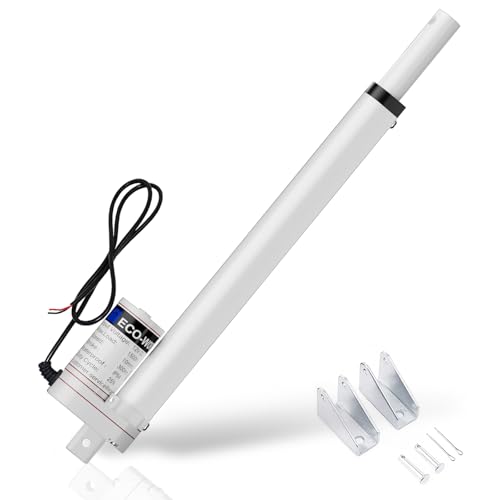
ECO-WORTHY 330lb/1500N Heavy Duty Solar Tracker Linear Actuator 12V 14" IP54
ECO-WORTHY
Mid-Range
ECO-WORTHY 12" Heavy Duty Linear Actuator 330 lbs 12V
ECO-WORTHY
Mid-Range
Heavy Duty 330lbs Solar Tracker Linear Actuator 12V 8" with Mounting Brackets
ECO-WORTHY
Mid-Range
DC HOUSE 12V 1000N Linear Actuator with Mounting Brackets 10"
ECO LLC
Mid-Range
Heavy Duty 12V Linear Actuator 330 lbs with mounting brackets
ECO-WORTHY
Mid-Range
12V Heavy-Duty Linear Actuator 8in 1500N with Brackets
Justech
Budget
VEVOR 12V Linear Actuator 12in, 330lbs/1500N, 0.19 in/s
VEVOR
Budget
ECO-WORTHY 330lbs/1500N Solar Tracker Linear Actuator (4") with IP54
ECO-WORTHY
Mid-Range
12V 6 inch stroke linear actuator with mounting brackets
ECO-WORTHY
Mid-Range
12V 16 in Stroke Linear Actuator with Mounting Brackets (330 lbs)
ECO-WORTHY
Mid-Range
DC HOUSE 6 in. Stroke Linear Actuator with Mounting Bracket (12V, 1000N, 14mm/s)
ECO LLC
Mid-Range
ECO-WORTHY Heavy Duty Solar Tracker Linear Actuator 330lbs (12V, 18")
ECO-WORTHY
Mid-Range
MYFULLY DC 12V Electric Stroke Linear Actuator 12" 900N
MYFULLY
Budget
12V high-speed linear actuator 6 inch 220lb 1000N with switch
RVMARINEPAT
Mid-Range
4 inch stroke 12v linear actuator with mounting bracket
JQDML
Mid-Range
VEVOR 12V Linear Actuator 8in 1320lbs with Bracket IP44
VEVOR
Budget
VEVOR 12V Linear Actuator 12in with Mounting Bracket
VEVOR
Mid-Range
12V linear actuator, 4in stroke, 1000N, IP54 waterproof
RVMARINEPAT
Budget
8 in stroke 12V linear actuator with mounting bracket
JQDML
Mid-Range
6 Inch 12V Linear Actuator with Mounting Bracket
JQDML
Mid-Range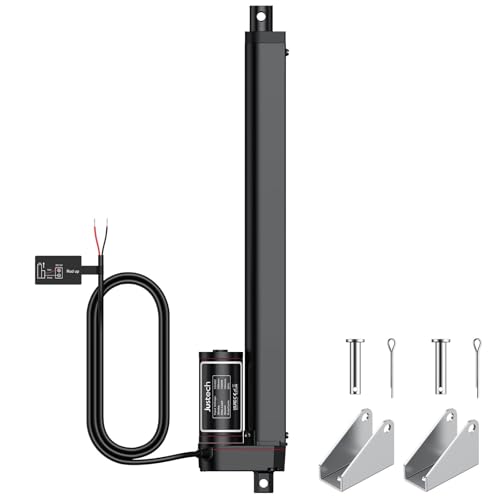
Justech 12V Heavy-Duty Linear Actuator with Brackets
Justech
Budget
VEVOR 12V Linear Actuator 10in 1320lbs with Mounting Bracket
VEVOR
Mid-Range
1000N 12V Linear Actuator, 8in Stroke, IP54
RVMARINEPAT
Mid-Range
12V 4" Waterproof Linear Actuator with 100mm stroke, IP54
shenzhenshiyoulanteerkeji
Mid-RangeRoundups
Frequently Asked Questions
How do I choose the right linear actuator for my application?
Match actuator stroke length, force (push/pull rating), speed, mounting style, and duty cycle to your application; consider supply voltage (e.g., 12V, 24V), environmental protection (IP rating) for outdoor/wet use, and whether feedback (potentiometer/encoder/limit switches) or built-in controllers are required
What specifications determine actuator load capacity and performance?
Key specs are maximum static and dynamic thrust (force), operating speed at given load, stroke length, duty cycle (continuous vs intermittent use), and motor voltage; ensure thrust exceeds peak loads with a safety margin and check speed reduces under higher loads
What are typical price ranges and what affects cost?
Linear actuators in this category commonly range from budget options under $50 for basic small units up to several hundred dollars for higher-force, longer-stroke, or IP-rated models; price is driven by force rating, stroke length, materials, feedback options, and brand/manufacturer quality
How should I maintain and extend the life of a linear actuator?
Keep the actuator clean and free of debris, periodically lubricate sliding/lead-screw components if the manufacturer recommends it, avoid exceeding rated duty cycle and load, protect from corrosion and moisture when not IP-rated, and inspect wiring and mounting hardware regularly
Do I need feedback or position control, and what types are available?
If precise positioning or closed-loop control is required, choose actuators with integrated feedback such as potentiometers, Hall-effect sensors, or encoders; simple systems may use built-in limit switches for end stops but lack continuous position data
What mounting and alignment considerations should I know before installation?
Use recommended mounting brackets and ensure loads are applied axially to avoid side loads; provide flexible joints or misalignment joints if necessary, torque-mount bolts to spec, and allow clearance for full stroke and cable routing to prevent binding or premature wear
How do IP rating and environmental specs affect actuator selection?
IP ratings indicate ingress protection—higher IP numbers mean better dust/water resistance—so choose IP65/IP67 or higher for outdoor, marine, or washdown environments; also review operating temperature range and material corrosion resistance for your setting