Masonry Floats
Masonry floats are hand tools used to smooth and finish mortar and concrete surfaces, including foam, magnesium, and wooden styles for different finish textures. This category lists 15 products averaging 4.55 stars, with mid-range prices around $61 and brands such as Marshalltown represented
Top Products

MARSHALLTOWN Cast Magnesium Hand Float, 16" x 3-1/8"
MARSHALLTOWN
Budget
Marshalltown 16 Inch Beveled End Magnesium Hand Float
Marshalltown The Premier Line
Budget
MARSHALLTOWN Cast Magnesium Hand Float, 16in x 3-1/8in
MARSHALLTOWN
Budget
Marshalltown cast magnesium hand float, 16 in x 3-1/8 in
Marshalltown The Premier Line
Mid-Range
Marshalltown 20 Inch Beveled End Magnesium Hand Float
Marshalltown The Premier Line
Mid-Range
Marshalltown Cast Magnesium Hand Float, 16 in x 3-1/8 in
Marshalltown
Mid-Range
Marshalltown Resin Hand Float 20 x 3-1/2 in with DuraSoft handle
Marshalltown
Mid-Range
Round End Magnesium Hand Float, 16 in
MARSHALLTOWN
Budget
Marshalltown Resin Hand Float 16 x 3-1/2 in with DuraSoft handle
Marshalltown The Premier Line
Budget
Resin Hand Float with DuraSoft Handle, 18 x 3-1/2 in
Marshalltown The Premier Line
Mid-Range
Marshalltown Resin Hand Float 14 x 3-1/2 in with DuraSoft handle
Marshalltown
Budget
Marshalltown 24 Inch Beveled End Magnesium Hand Float
Marshalltown
Mid-Range
Vevor Magnesium Bull Float 48x8 with Round End
VEVOR
Premium
Bull Float Aluminum Magnesium Alloy Concrete Float 48x8 with Handle
VOYAR
Premium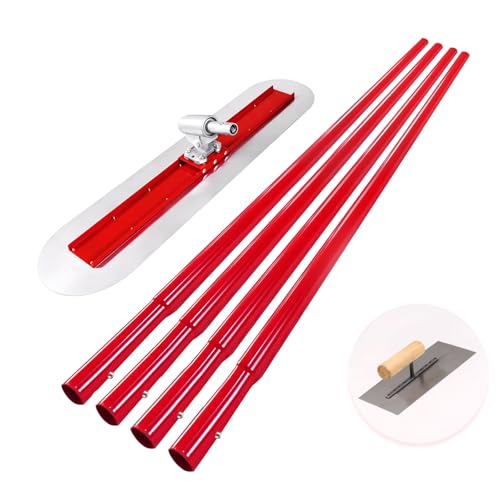
Bull Float Concrete Bull Float Tool Kit 48x12 with 57in Handle
VOYAR
PremiumRoundups
Frequently Asked Questions
How do I choose the right size and shape of masonry float for my project?
Choose a float size that matches the work area: smaller hand floats (6–12 inches) for tight spots and trim, and larger floats (12–16 inches or more) for broad surfaces. Select the shape based on use—rectangular or square for general smoothing, edging floats for joints, and rounded or sponge floats for textured finishes
What materials and handle types should I look for in a durable masonry float?
Common blade materials include magnesium, aluminum, and wood; magnesium and aluminum resist corrosion and are lightweight, while wood is traditional and may be preferred for certain finishes. Look for comfortable, securely attached handles in wood, plastic, or molded rubber; ergonomic or shock-absorbing handles reduce fatigue during extended use
How much should I expect to pay for a quality masonry float?
Masonry floats in this category typically fall into budget options under $50 and mid-range tools up to about (price varies), with an average price around the low (price varies)s. Higher-cost items usually reflect specialized materials, larger sizes, or branded professional-grade construction
What maintenance is required to keep a masonry float in good condition?
Clean the float thoroughly after each use to remove mortar or cement, dry it to prevent corrosion or swelling, and store it flat in a dry place. For metal floats, inspect edges for burrs and file or replace if damaged; for wooden floats, occasionally oil the handle to prevent drying and cracking
Can I use the same float for both finishing cement and applying mortar for brickwork?
Yes, many floats are versatile and can be used for both finishing cement surfaces and working mortar on masonry, but using separate tools for mortar and final finish reduces contamination. For textured or plaster-like finishes, use a sponge or specific texture float to achieve the desired surface
Which features indicate a float suited for professional vs. DIY use?
Professional-grade floats often have thicker, more rigid blades (magnesium or high-quality aluminum), reinforced handles, and precise flatness across the blade; DIY models may use wood blades or lighter aluminum and simpler handles. Consistent blade flatness and secure handle attachment are key indicators of professional suitability
How do I avoid common issues like gouging or uneven finishes when using a float?
Keep the blade clean and flat, apply even pressure while working, and use the correct float size and blade material for the mix and surface. Work in consistent passes and maintain the proper mortar/crete consistency—too wet or too dry mixes increase the risk of gouging or poor finishing